
Ideas for thoughtful teaching & learning.
Practical approaches, considered tools and useful resources for the learning you design.
Looking for history resources? Visit HistoraEDU →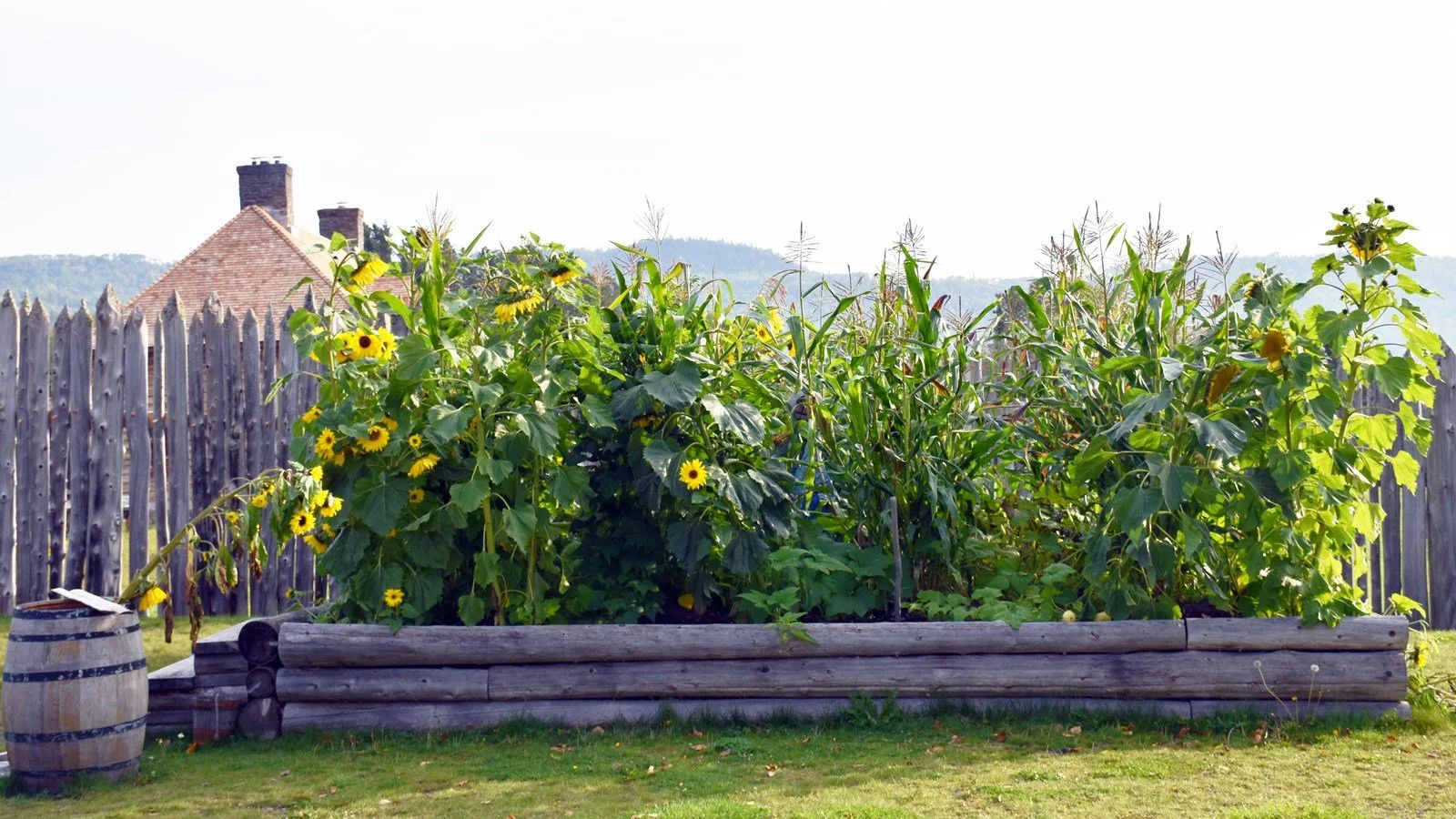
Teach Indigenous food systems as knowledge and decisions rather than a list of foods
Move beyond crop lists with named communities, historical food decisions and careful source comparisons. Teach growing, storage and exchange without universal claims.

Help students read earthworks without turning distinct societies into one mound builder culture
Help students distinguish Adena, Hopewell, Mississippian and Cahokia contexts through specific earthworks, careful source dates and evidence-based comparisons.
NOAA Climate Normals: Pick the Baseline Before Calling a Month Unusual
Choose the right station, grid and reference period before interpreting a climate departure. Use a baseline label and an overlap timeline—not an unnamed normal.
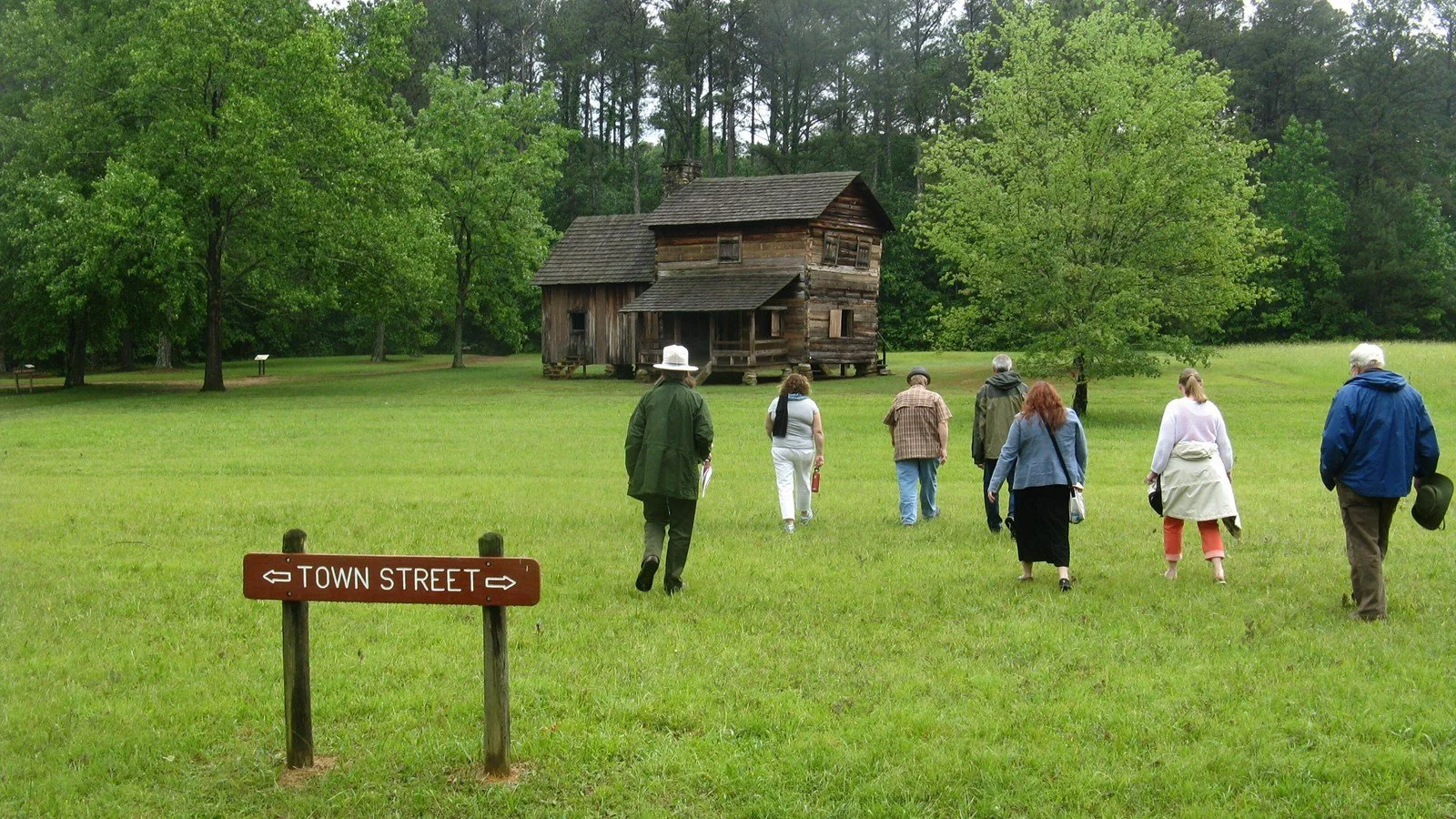
Teach Southeastern sovereignty without ending the story at removal
Teach Cherokee, Muscogee and Seminole histories through specific institutions, documented removal experiences and continuing nation-specific sources.
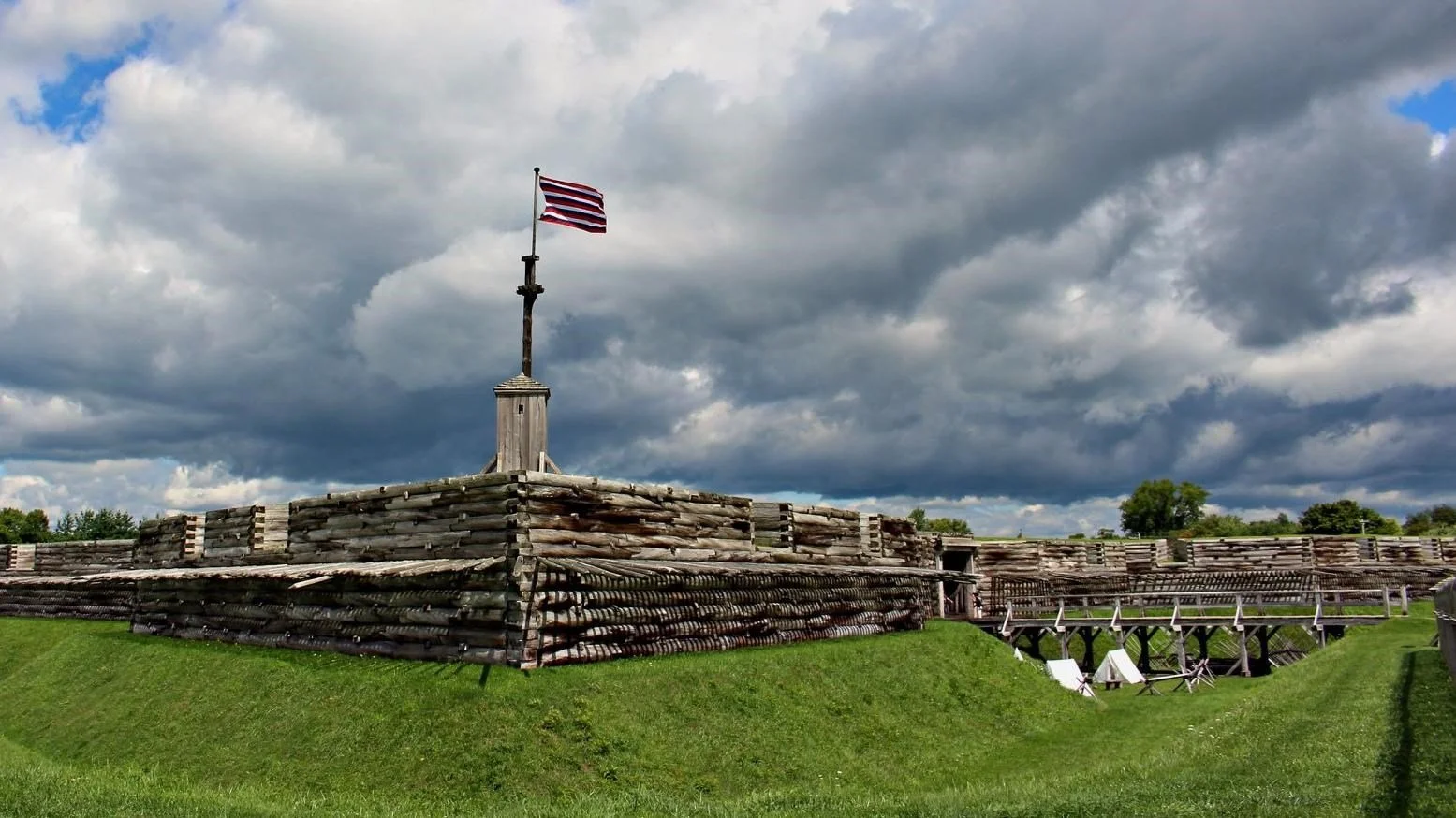
Help students distinguish language families nations and confederacies
Help students distinguish a language family, a nation and a confederacy through named parties, dated treaties and specific accounts of political authority.
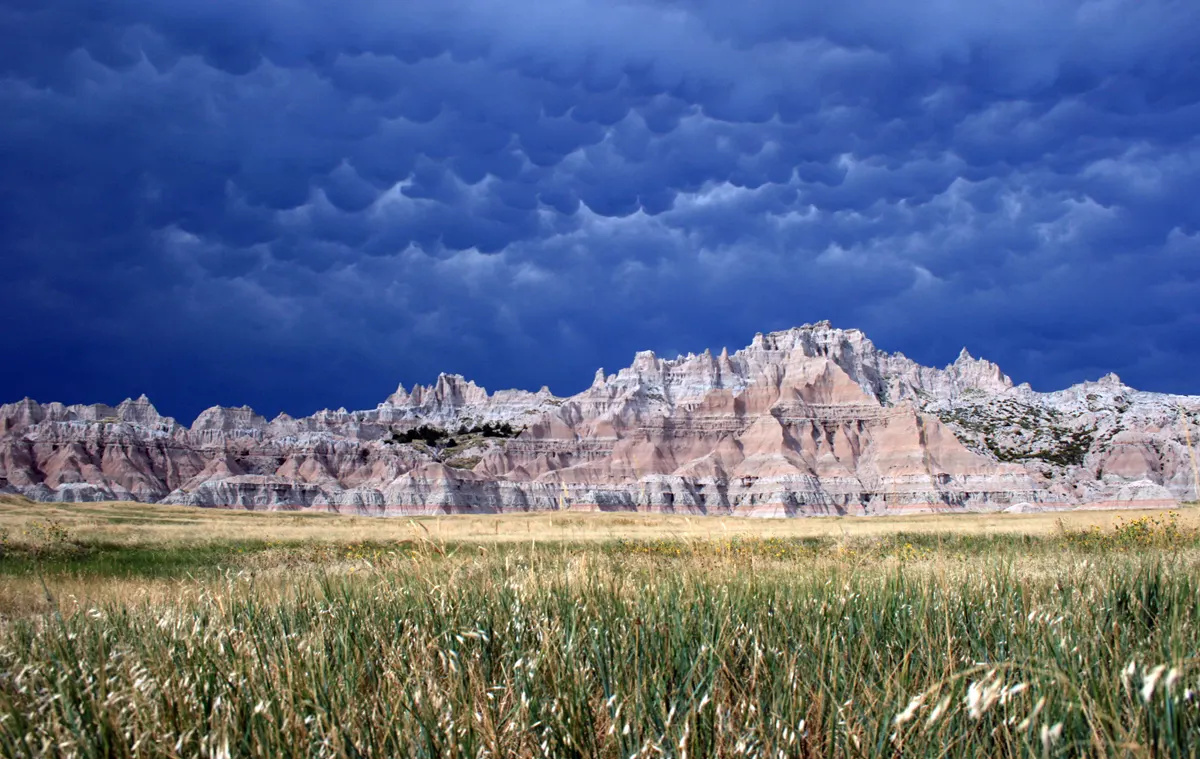
Help students explain Plains history beyond the buffalo shorthand
Build a dated Plains history explanation using named peoples, contextual photographs and the distinction between Lakota bands and the wider Oceti Sakowin.
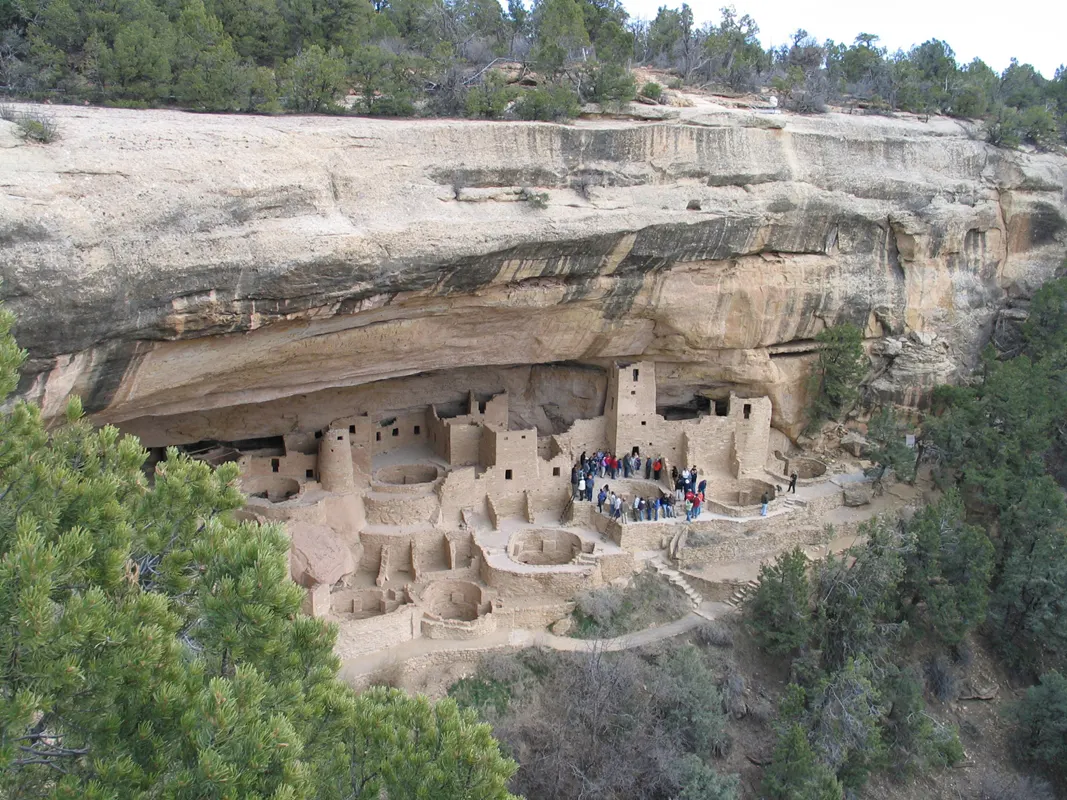
Teach Southwest diversity without turning every community into one desert culture
Help students distinguish Southwest communities through named places, periods and evidence, with a teacher-supplied Pueblo II/Pueblo III chronology correction.
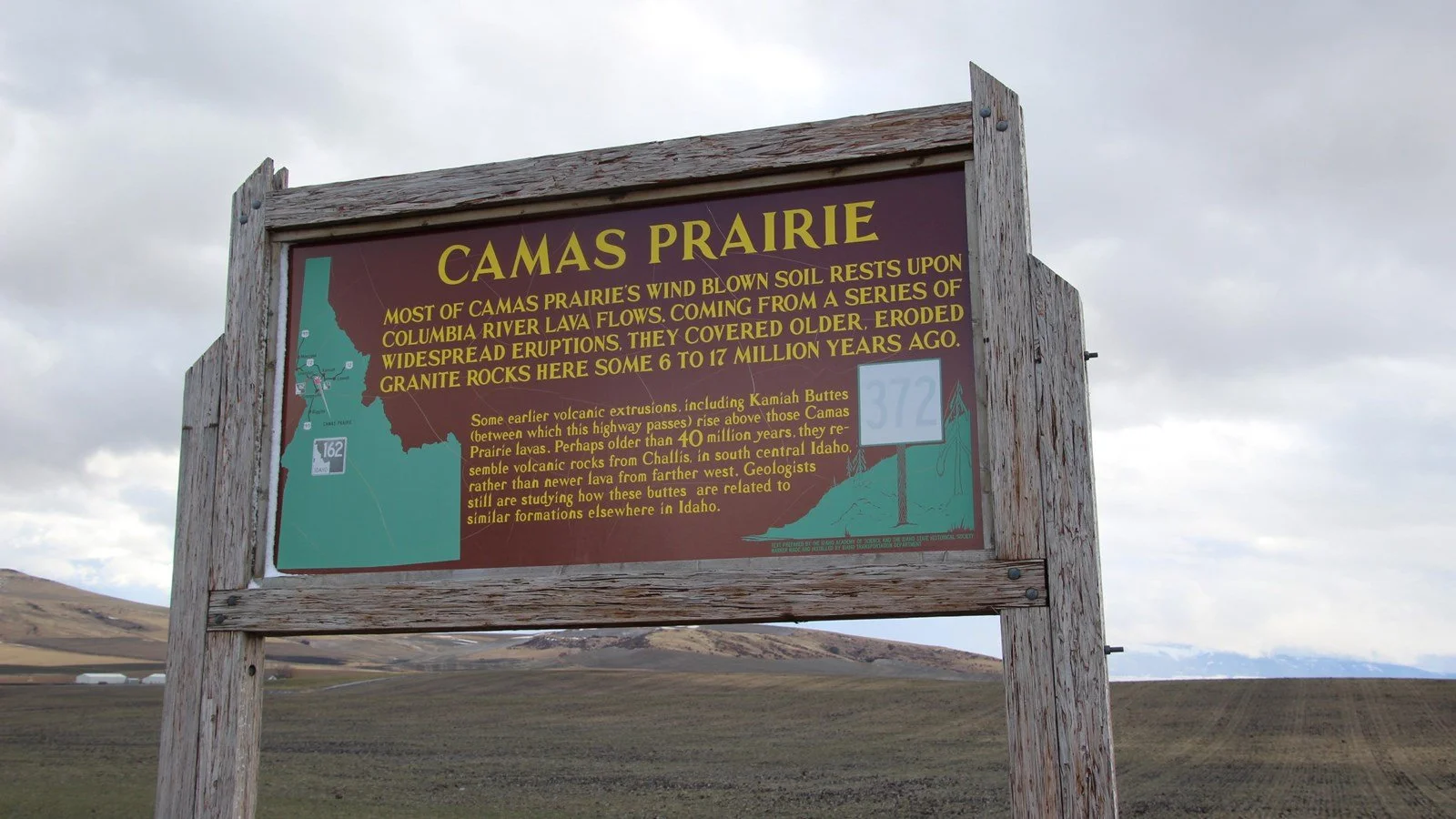
Help students explain seasonal movement as knowledge rather than wandering
Explain seasonal movement through documented knowledge, timing and land access, using named Plateau and Great Basin examples and qualified selected readings.

Help students distinguish Northwest Coast nations instead of merging them into one culture
Compare Chinook and Tlingit histories through community-authored sources, specific waterways and cultural ownership, without turning regional patterns into rules.

Teach Arctic history without freezing Inuit life in the past
Teach Arctic history through named places, dated sources and contemporary Inuit voices, with explicit Nunavut and language qualifications beside selected readings.

Help students compare Indigenous regions without reducing people to climate charts
Help students compare Indigenous regions using named communities, landscape evidence and source limits, with focused readings rather than climate-chart stereotypes.

Build a Jigsaw in Which Every Expert Has Something Necessary to Teach
Use three complementary evidence packets, a precise group map and an expert teaching card to build a jigsaw that requires genuine synthesis.
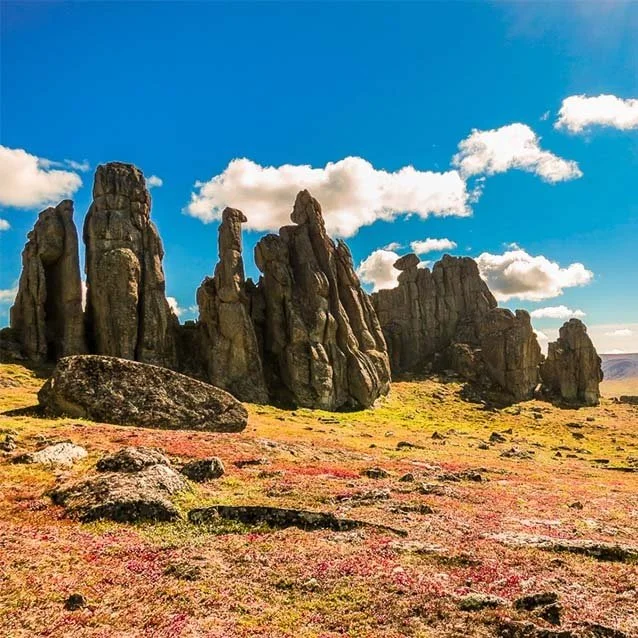
Teach the first peopling of the Americas through evidence and uncertainty
Use White Sands photographs and Beringia evidence to distinguish observations, supported interpretations and uncertainty, with carefully qualified reading choices.
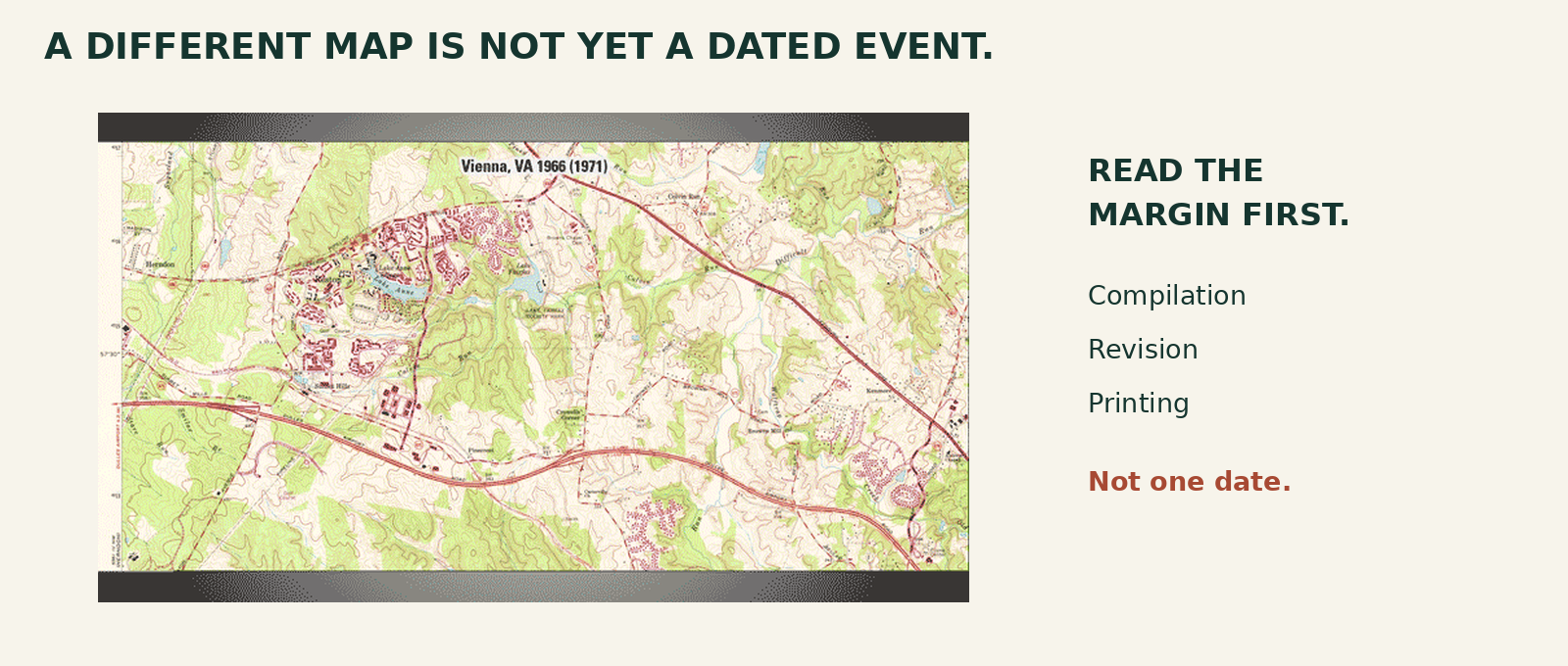
USGS topoView: Check the Map Edition Before Asking What Changed
Use topoView map dates, scale and legends to separate a changed map symbol from a dated event. Start with genuine Vienna frames and a two-map metadata strip.
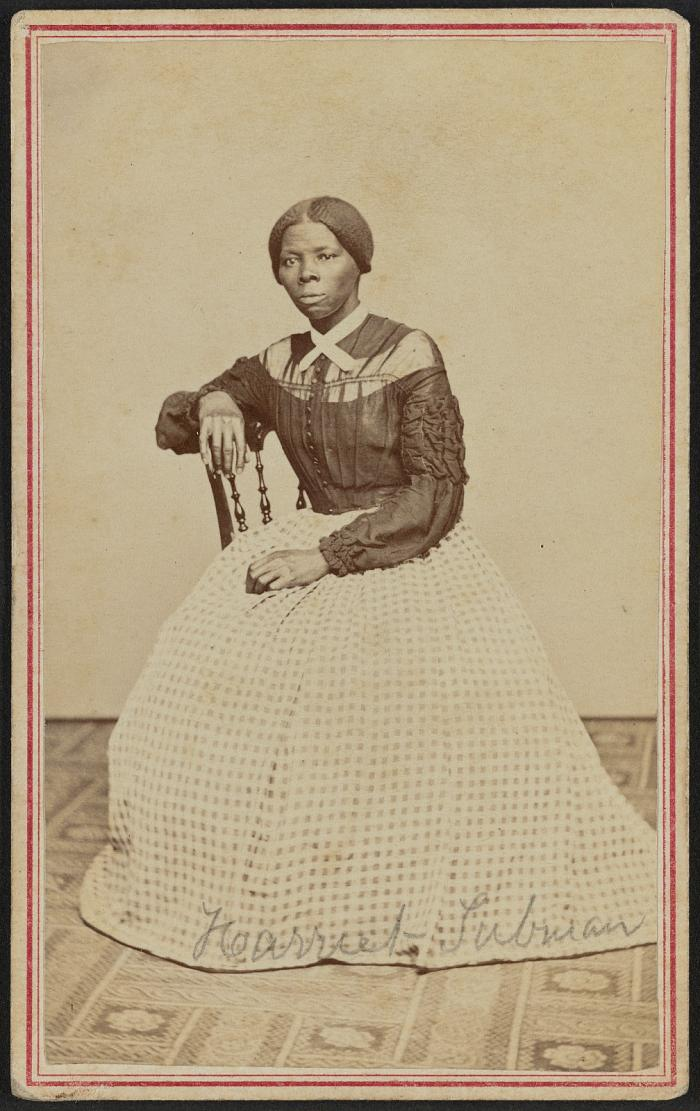
Teach abolition and resistance without a single hero shortcut
Help students distinguish self-emancipation, organized assistance and antislavery writing through sourced accounts, historical images and selected readings.

Whose Relevance Counts? Letting Students Connect Science to Their Lives
A relevance-writing study offers a bounded lesson: invite students to make connections, keep the science accurate and do not require a personal story.
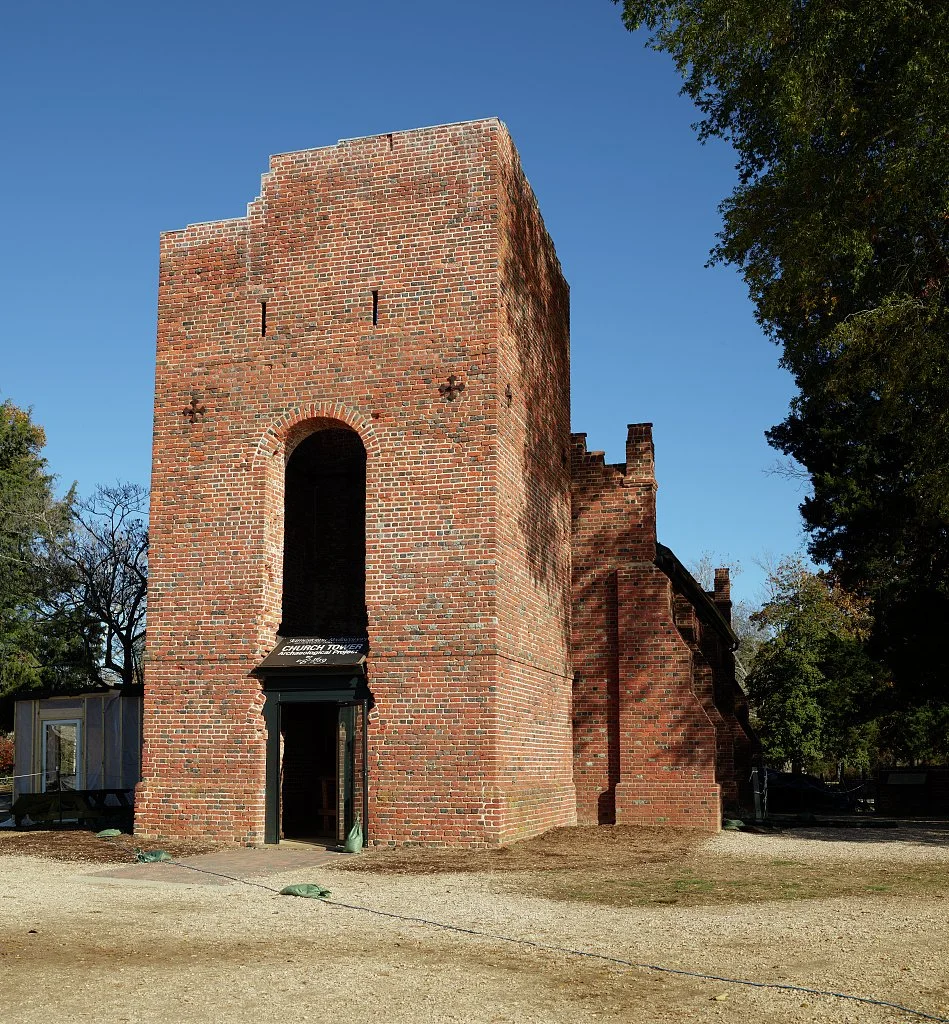
Help students explain colonization motives with source evidence
Teach colonization motives through a Virginia charter, a historical map and a modern site photograph, separating official aims, outcomes and Indigenous consent.
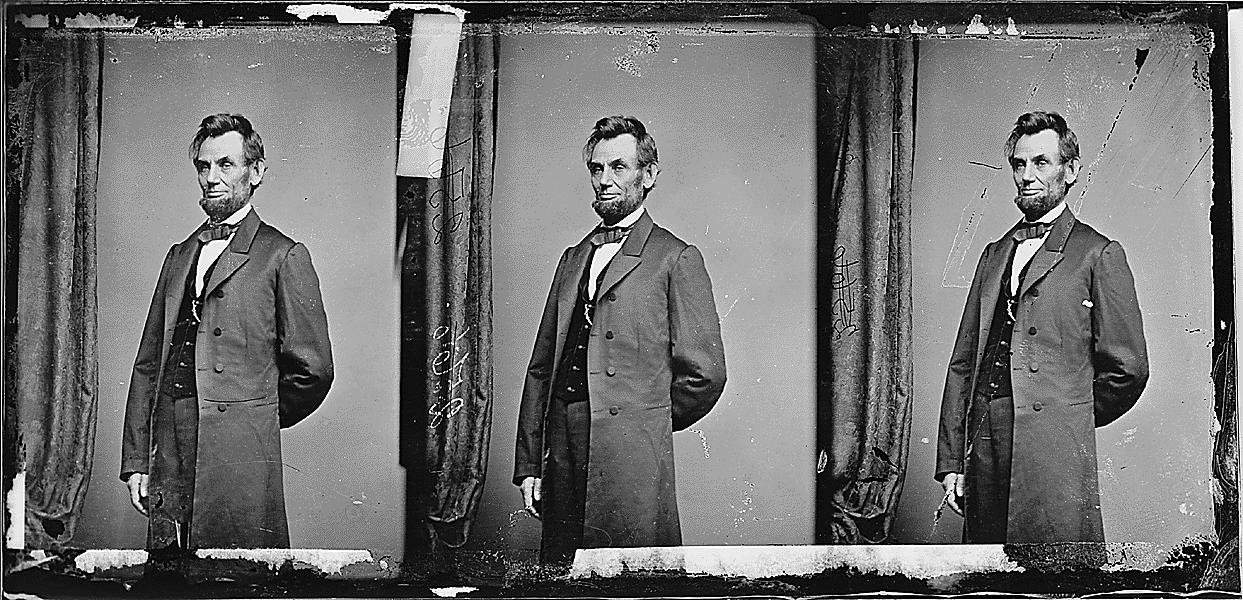
Teach the road to secession as decisions rather than dominoes
Help students explain the road to secession through decisions, consequences and evidence, keeping slavery central and using border states to test oversimplified claims.

Student Choice Is Not One Universal Motivation Switch
Who chooses, whose advice is trusted and what the options mean all matter. Use a fictional task to examine choice without stereotyping learners.

When Mixing Examples Helps—and When a Block Helps You See What Belongs Together
Example order depends on what learners need to notice. Separate differences between confusable categories from common features within varied categories.