
By HistoraEDU
When students describe people as “moving around to find food,” they can miss the planning, relationships and place-specific knowledge behind movement. A comparison of Plateau and Great Basin examples can make that reasoning visible. The aim is not to invent one annual schedule for many peoples. It is to explain a documented decision in a named place and period, then recognize what changes when access to land or resources changes.
Replace a route to memorize with a decision to explain
Choose a short account of one community and one activity. Ask what the account says about location, timing, knowledge and cooperation. Students can place those details on a simple organizer without pretending to reconstruct a complete historical calendar.
The NPS Camas Prairie account describes seasonal movement between river bottoms and prairie, including camas and horse forage. Use it as a specific example rather than a template for all Plateau peoples. Ask students which details come from the source and which would require another account.
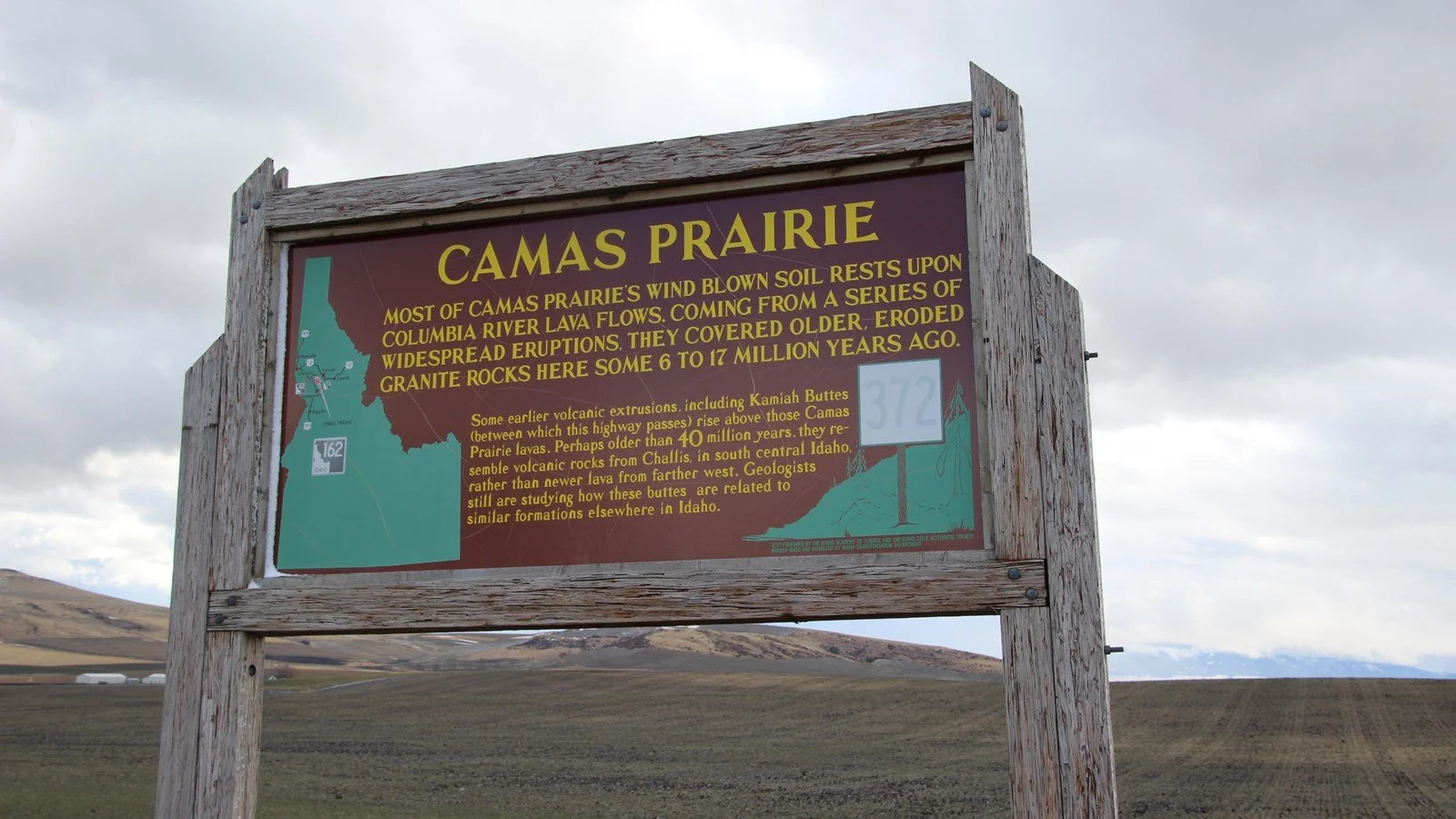
Modern interpretive sign at Camas Prairie, Nez Perce National Historical Park. NPS Photo, public domain. A present-day field and sign do not recreate an earlier harvest or show unchanged land access.
Make the explanation include a reason
Give a deliberately weak model: “People moved because they were nomadic.” It repeats a label without explaining a decision. Students improve it by naming the resource or activity, the timing described in the source and the knowledge required.
Do not ask students to act out scarcity or compete in a survival game. Use an evidence-based planning explanation instead: “According to this account, this activity took place here because [write here].” If the source does not establish a detail, leave it open rather than filling the gap with a plausible story.
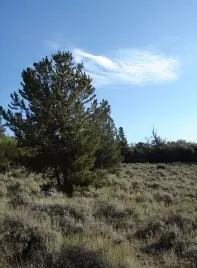
Pinyon pine and sagebrush along the Wheeler Peak Scenic Drive, Great Basin National Park. NPS Photo, public domain. This modern image shows vegetation, not a particular historical harvest.
Compare a problem while keeping communities distinct
A second account might address storage, seasonal gathering or movement between elevations. Compare the decision being explained, not a stereotype of “desert people” with “river people.” A regional label cannot establish the practices of every Shoshone, Paiute, Washoe or Nez Perce community.
Include language and community labels carefully. The Washoe Tribe identifies its language as an isolate; it should not be absorbed into a blanket Numic-language category. Students do not need a speculative language-family tree to recognize that neighboring peoples can have distinct languages and histories.
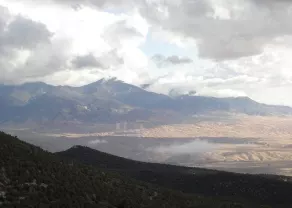
Modern view toward Snake Valley from the Wheeler Peak Scenic Drive. NPS Photo, public domain. The mountain and valley view can prompt questions about elevation; it does not prove a historical route.
Treat disrupted access as part of the history
After students explain a documented pattern, introduce evidence of a change in access to land or resources. The Camas Prairie account describes land changes associated with allotment. Ask how that evidence changes an explanation that previously treated movement as a free choice across an unchanged landscape.
Students should not reduce dispossession to an abstract bad-weather obstacle. Keep human decisions and institutions visible, with the appropriate people, place and date. A useful written response distinguishes an environmental condition from a restriction imposed by people.
Assess one claim and one boundary
Ask students to answer: “Why is seasonal movement not the same as wandering?” Require one specific source detail and one limit on the answer’s geographic or historical scope. A strong response explains knowledge and purpose without claiming that every community followed the same pattern.
The four readings below offer regional and community-level passages for a teacher-led comparison. Select a short passage, identify its people and period, and compare its claims with the linked sources. Supply the vocabulary and language qualifications below before students use the relevant sections; the full readings are not being certified as complete guides to every community.
Plateau Native Americans Reading Comprehension Worksheet
View this HistoraEDU resource on TPT
The reading introduces Plateau geography, seasonal activity and trade. Use a selected passage to ask how food preparation and storage supported a documented seasonal decision. Supply a complete teacher note instead of the unfinished Earth ovens glossary entry: an earth oven is a cooking arrangement that uses heated stones to bake food. The NPS camas account describes roasting bulbs in earthen ovens and preparing food for storage. Do not ask students to reconstruct the missing ending or treat one technique as universal across Plateau communities.
Great Basin Native Americans Reading Comprehension Worksheet
View this HistoraEDU resource on TPT
The reading introduces Great Basin environments and seasonal resource use. For this lesson, supply a complete teacher note in place of the unfinished Pinyon pine nut entry: pine nuts are edible seeds produced by pinyon pines; the NPS Great Basin account identifies the singleleaf pinyon and describes a fall gathering season. Use a separate community-specific source for the social organization of a historical harvest. Also distinguish Washoe from Numic-language peoples: the Washoe Tribe identifies its language as an isolate. Do not assign the opening language generalization as an unqualified fact.
Nez Perce People Reading Comprehension | Native American History
View this HistoraEDU resource on TPT
The reading includes homeland, food resources, horses and later changes. Choose a short food-resource passage and compare it with the named Camas Prairie account rather than extending it to every Plateau community. Identify the location and historical setting, and distinguish seasonal activity from later restrictions on land access. The horse-breeding and language-classification passages are not needed for this exercise.
Shoshone People Reading Comprehension | Native American History
View this HistoraEDU resource on TPT
The reading distinguishes Shoshone communities and discusses ecological knowledge and historical change. Choose one named community and one period rather than constructing a universal Shoshone seasonal calendar. Ask students which details about resources and timing the selected passage supports, then check that example against a community-specific source; do not transfer an Eastern Shoshone horse-era example to every Western Shoshone setting.
Sources and image credits
Wheeler Peak landscape and elevation
Washoe Tribe strategic plan and language distinction
Product thumbnails: HistoraEDU, reproduced from the exact current TPT listings at the owner’s request. Archival sources do not endorse HistoraEDU or its products. No claim to original U.S. Government works.
