
Ideas for thoughtful teaching & learning.
Practical approaches, considered tools and useful resources for the learning you design.
Looking for history resources? Visit HistoraEDU →
“UN Forces” Does Not Mean Every Country Agreed: Make the Korean War’s Participants Visible
Help students distinguish UN decisions, national contributions and Korean participants in the Korean War.

Review postwar America with a thematic timeline
Use a thematic timeline to connect postwar international relations, civil rights and modern America.

Connect the 1920s and Depression without one cause explanations
Help students connect the 1920s and the Great Depression through evidence, causal reasoning and review.

Review the world wars without mixing causes and consequences
Help students distinguish causes, events and consequences when reviewing the two world wars.
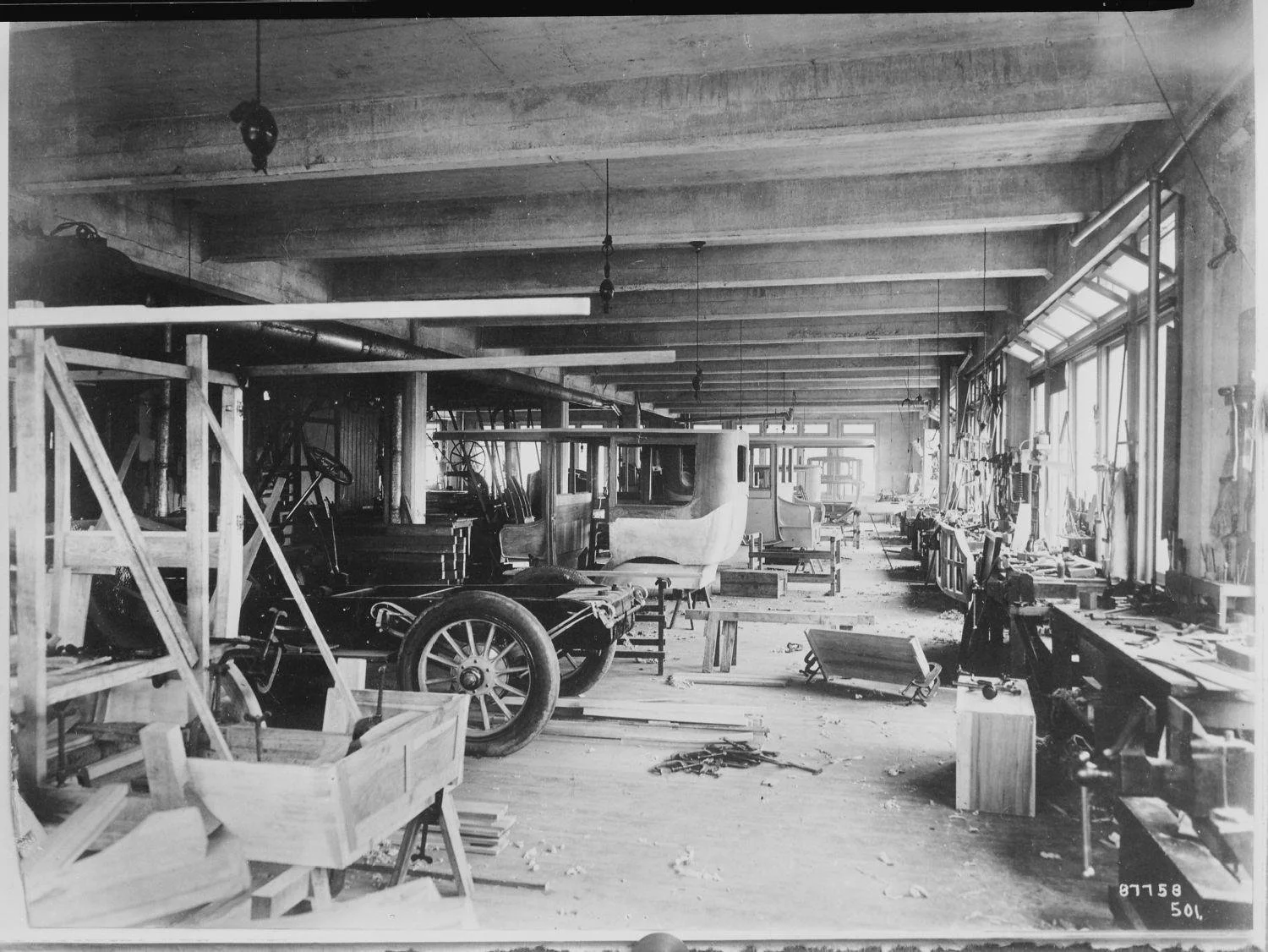
Connect industrialization reform and imperialism during review
Connect industrialization, reform and imperialism through evidence, timelines and focused review.
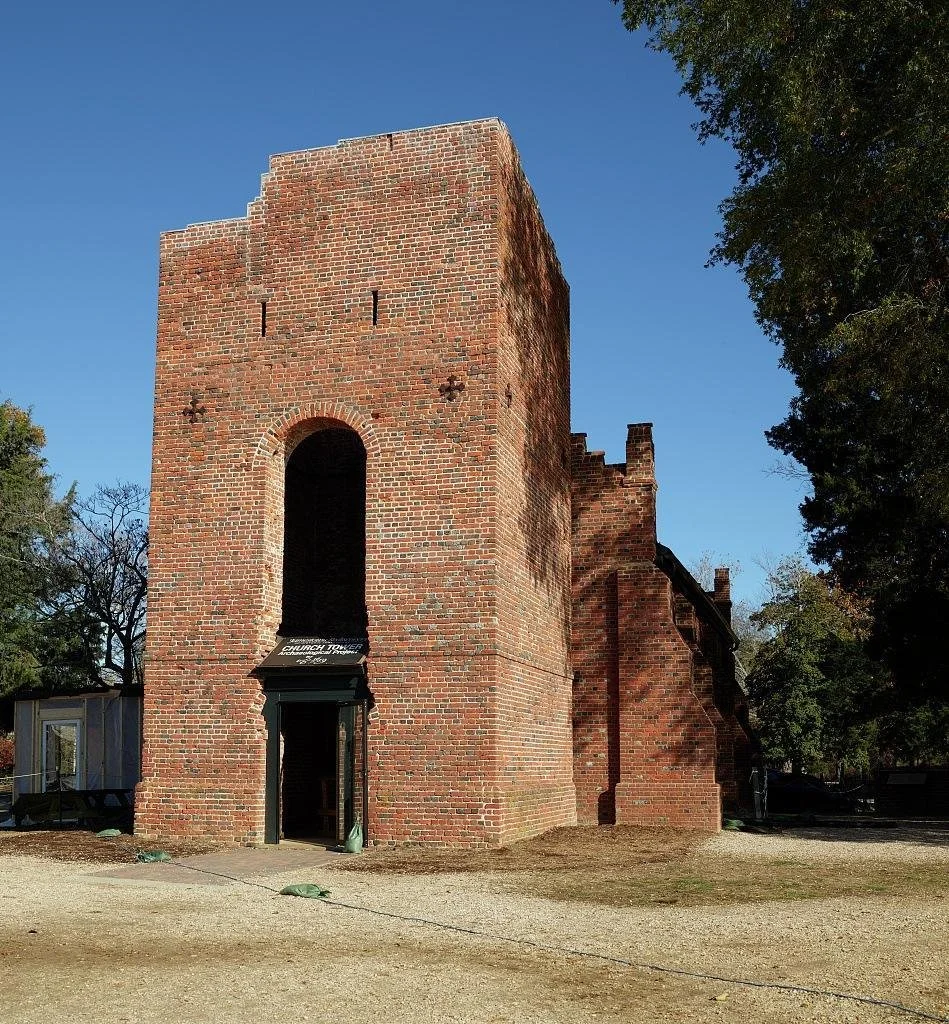
Review early US history without losing the timeline
Help students connect early U.S. history through timelines, source analysis and thoughtful review.
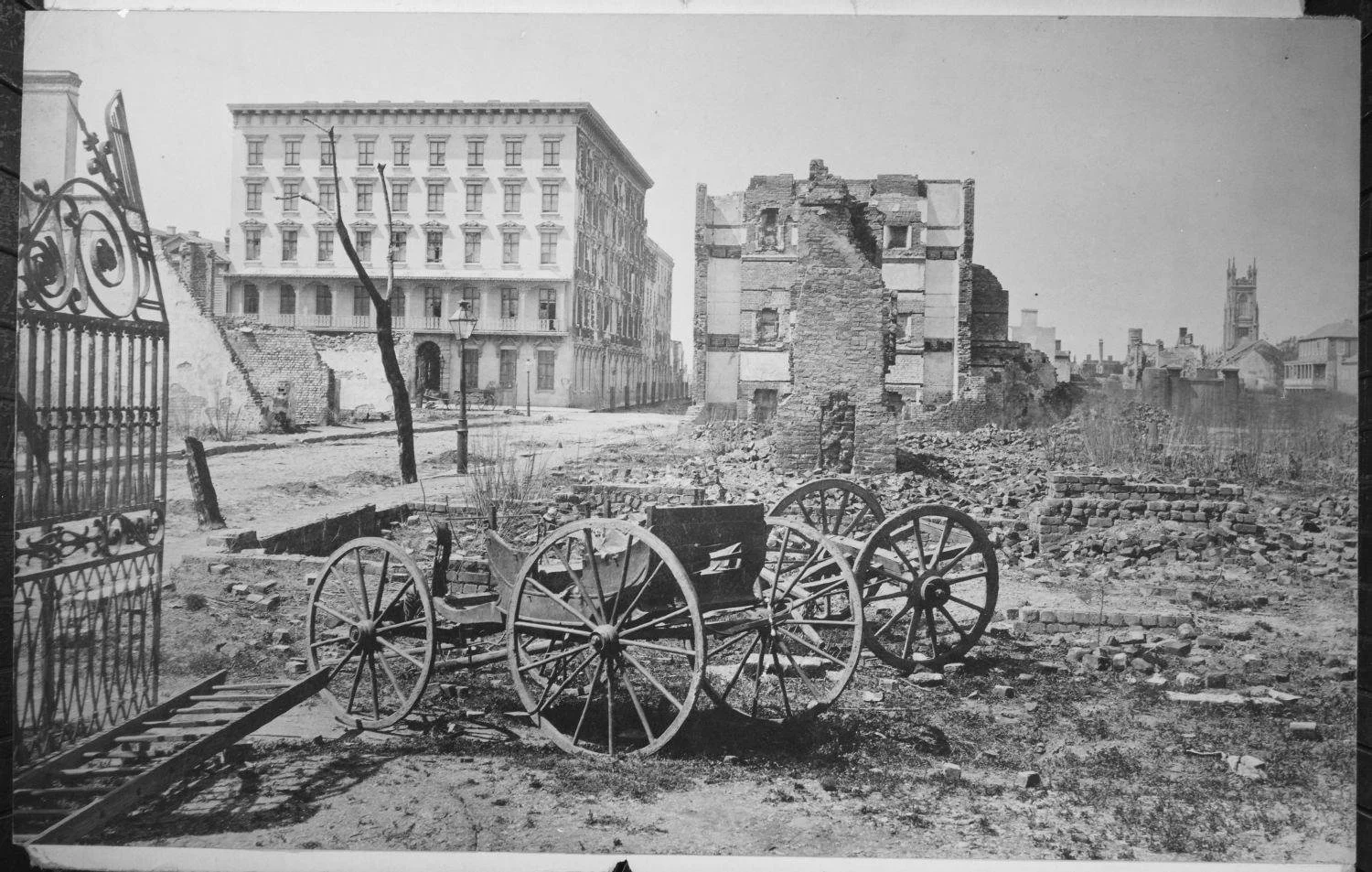
Turn history review games into evidence of learning
Turn history review games into useful evidence with individual responses, source analysis and corrections.
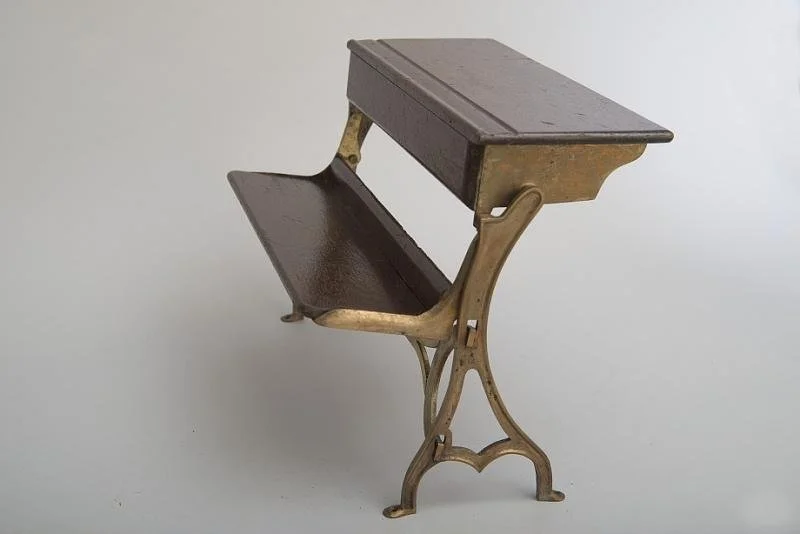
Make the first history discussion useful for quieter students too
Make history discussions more accessible with private thinking, flexible ways to participate, and evidence-based reflection.
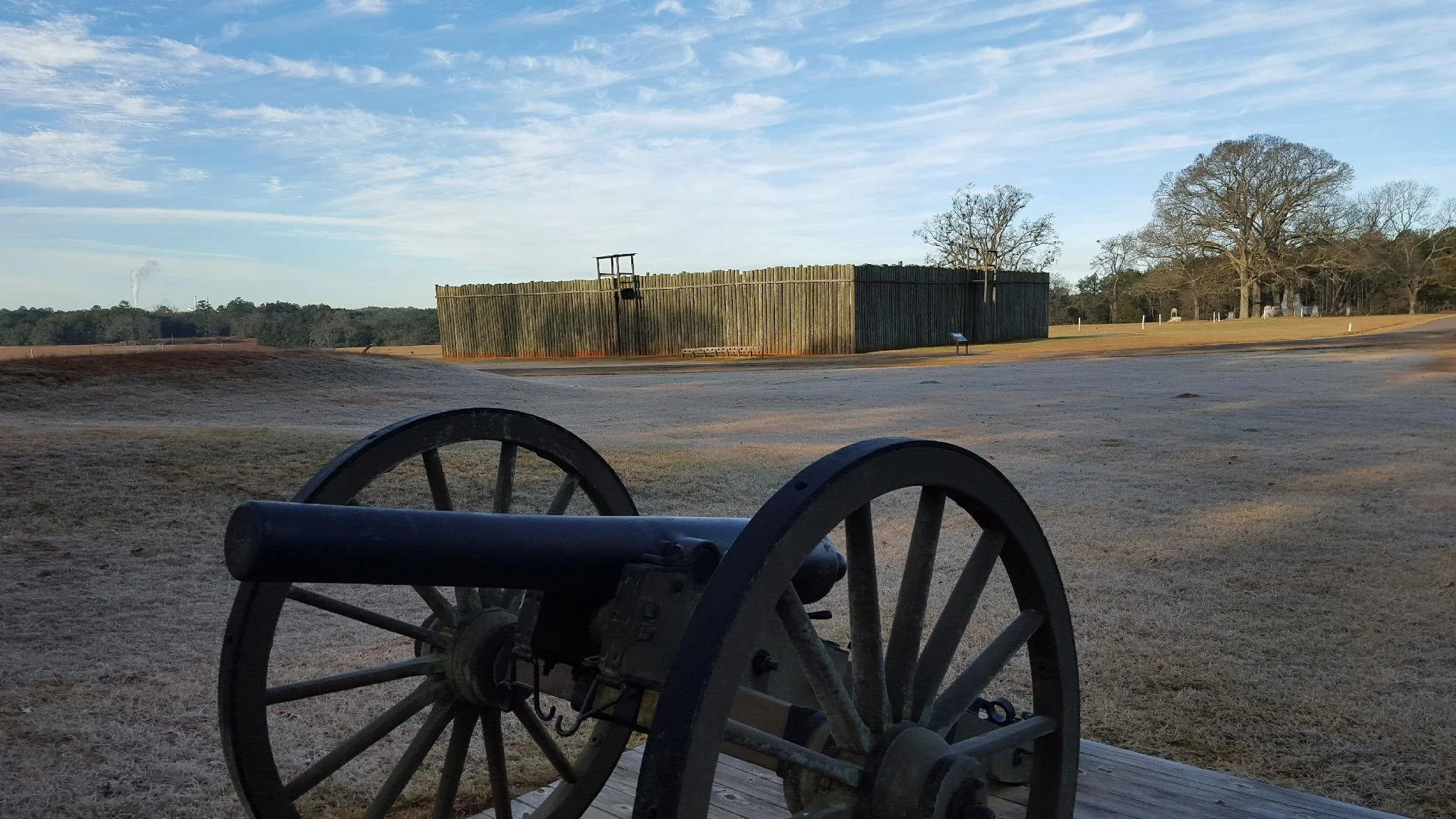
Teach Civil War prisons with evidence and care
Teach Civil War prisons with historical sources, careful context, and age-appropriate questions about captivity and remembrance.
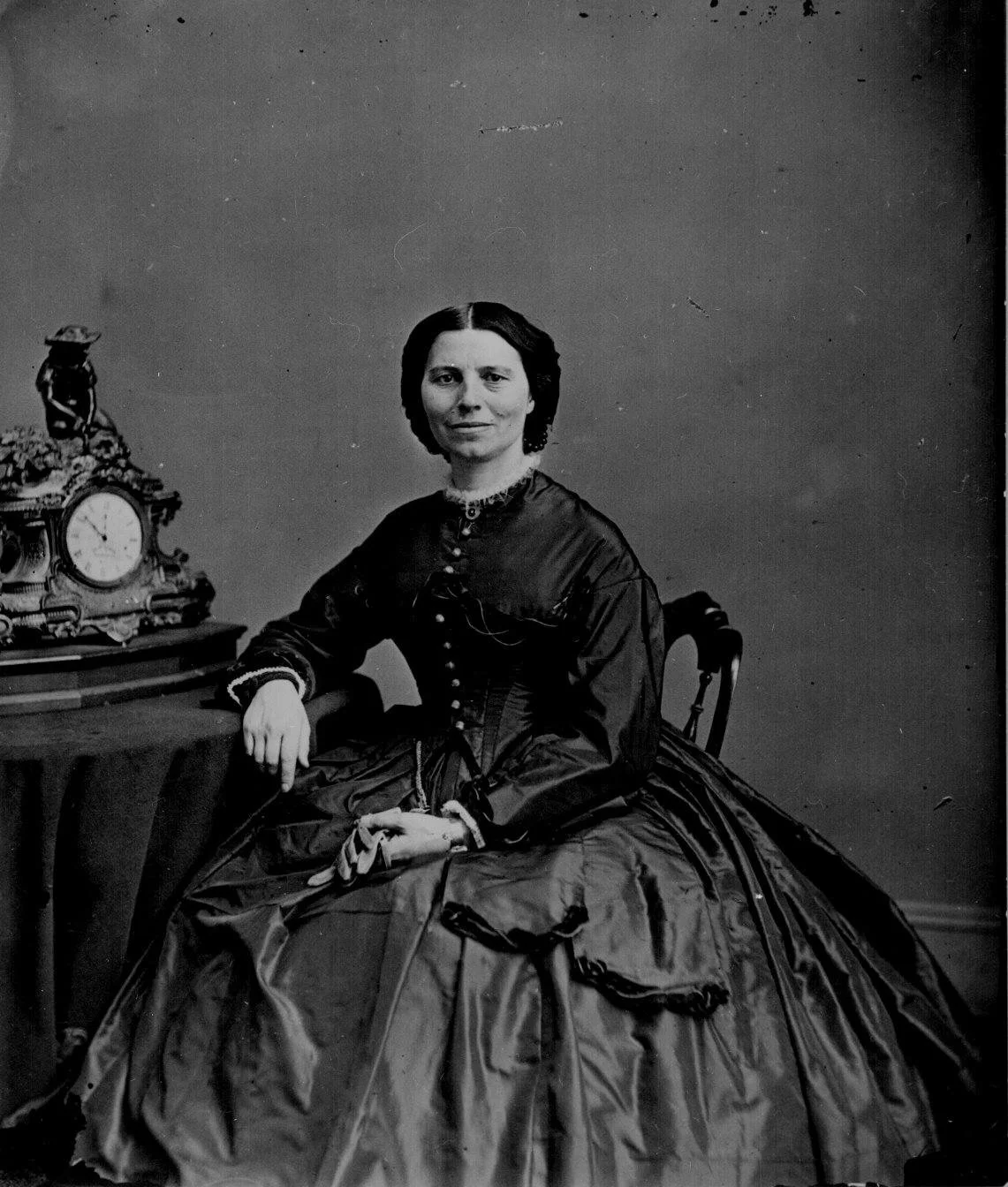
Teach Civil War care as a system rather than a collection of dramatic stories
Use Clara Barton’s Antietam account and archival photographs to help students trace how supplies, transport, and hospital staff shaped Civil War care.
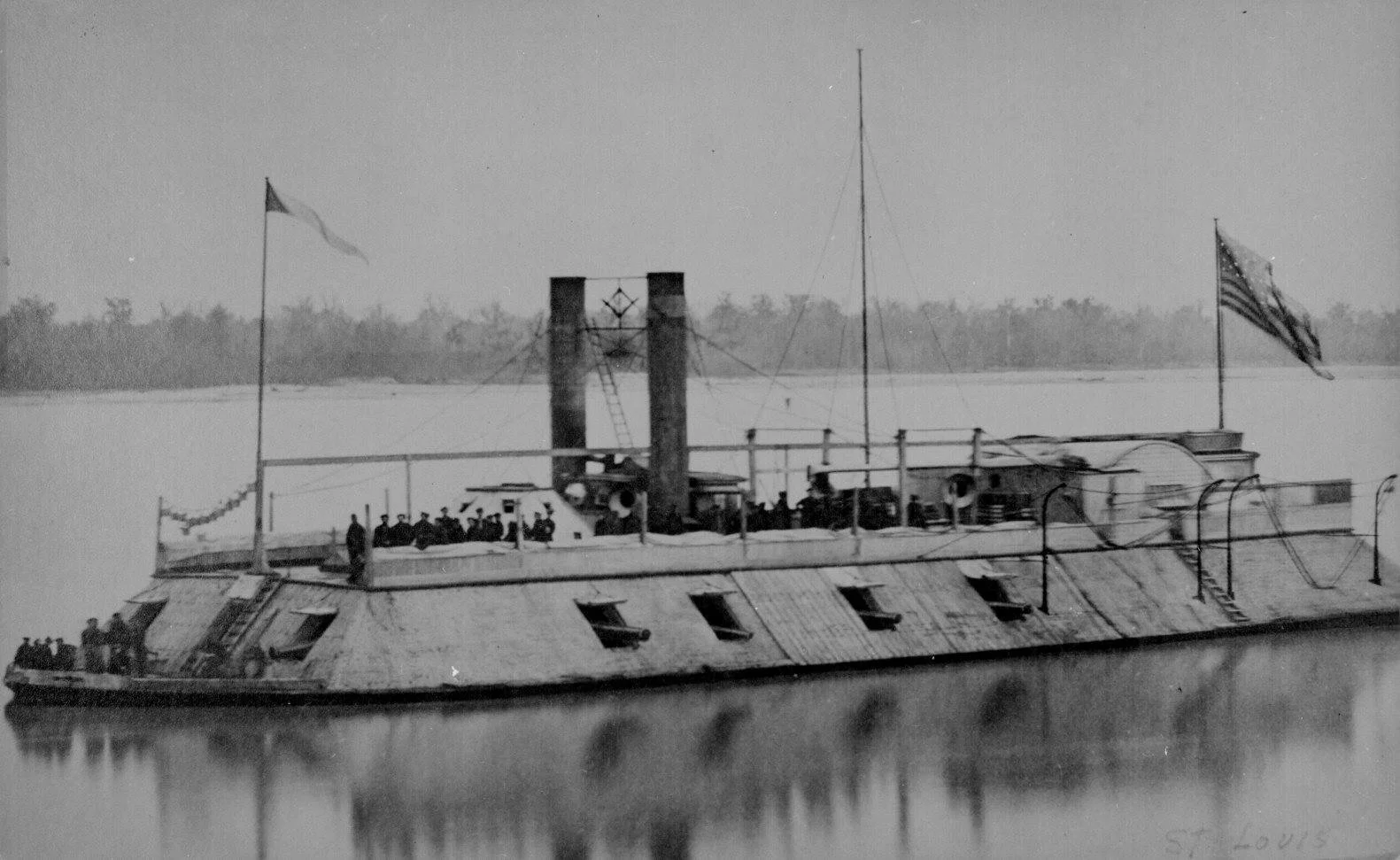
Help students explain why resources did not make a short Civil War inevitable
Help students connect Civil War resources to strategy, then revise a prediction using First Bull Run. Includes comparison prompts and HistoraEDU reading options.
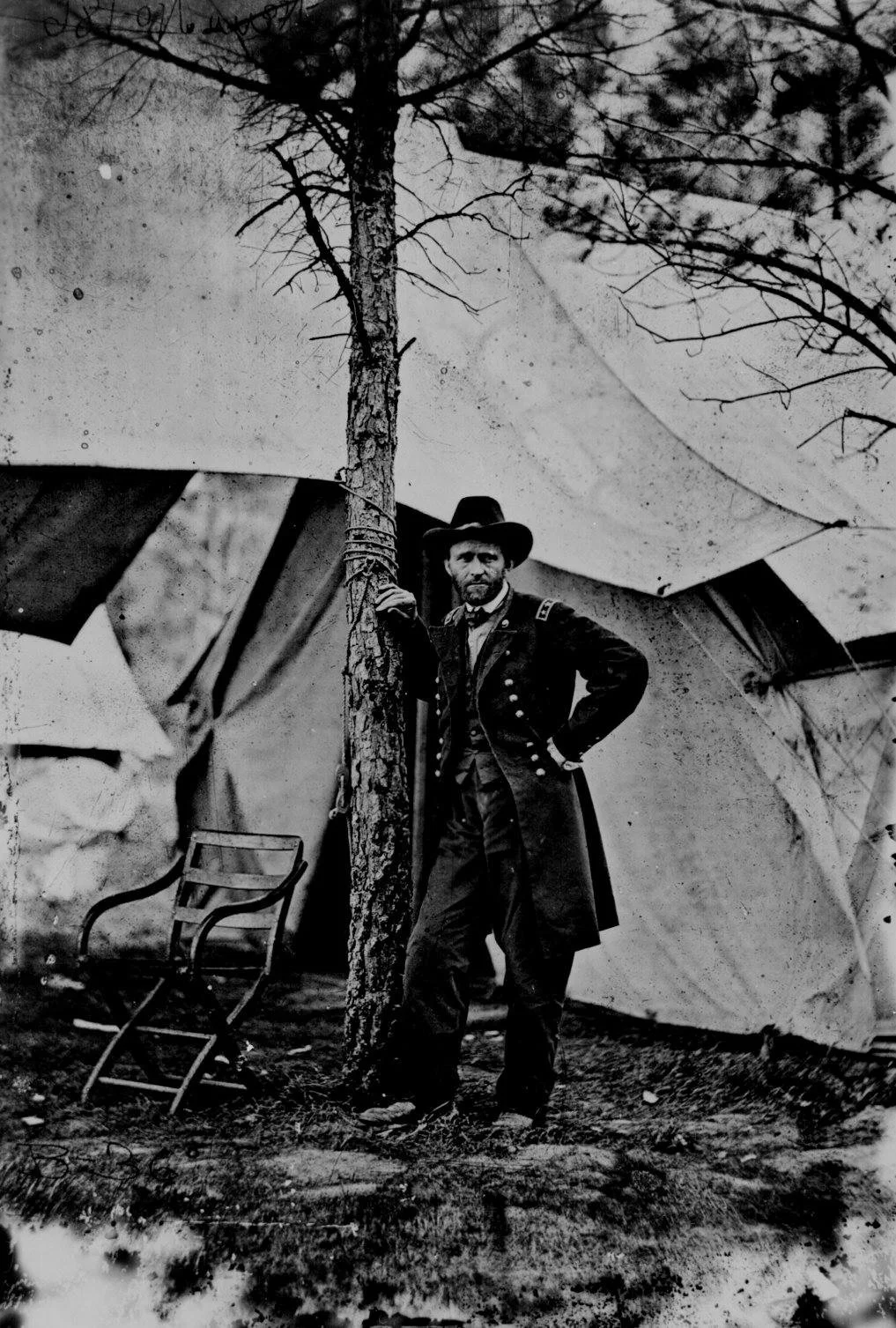
Teach Civil War leadership through decisions rather than a heroes contest
Compare how Grant, Lincoln, and Frederick Douglass used different kinds of authority. Students trace one decision to a dated source, its consequences, and the limits of the evidence.
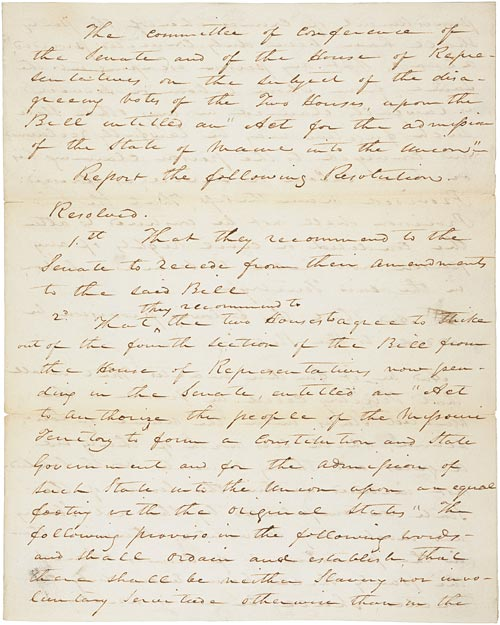
Teach Civil War causes as an evidence chain rather than a pile of dates
Help students explain Civil War causes with an evidence chain linking slavery, territorial policy and political power, using primary documents and selected readings.
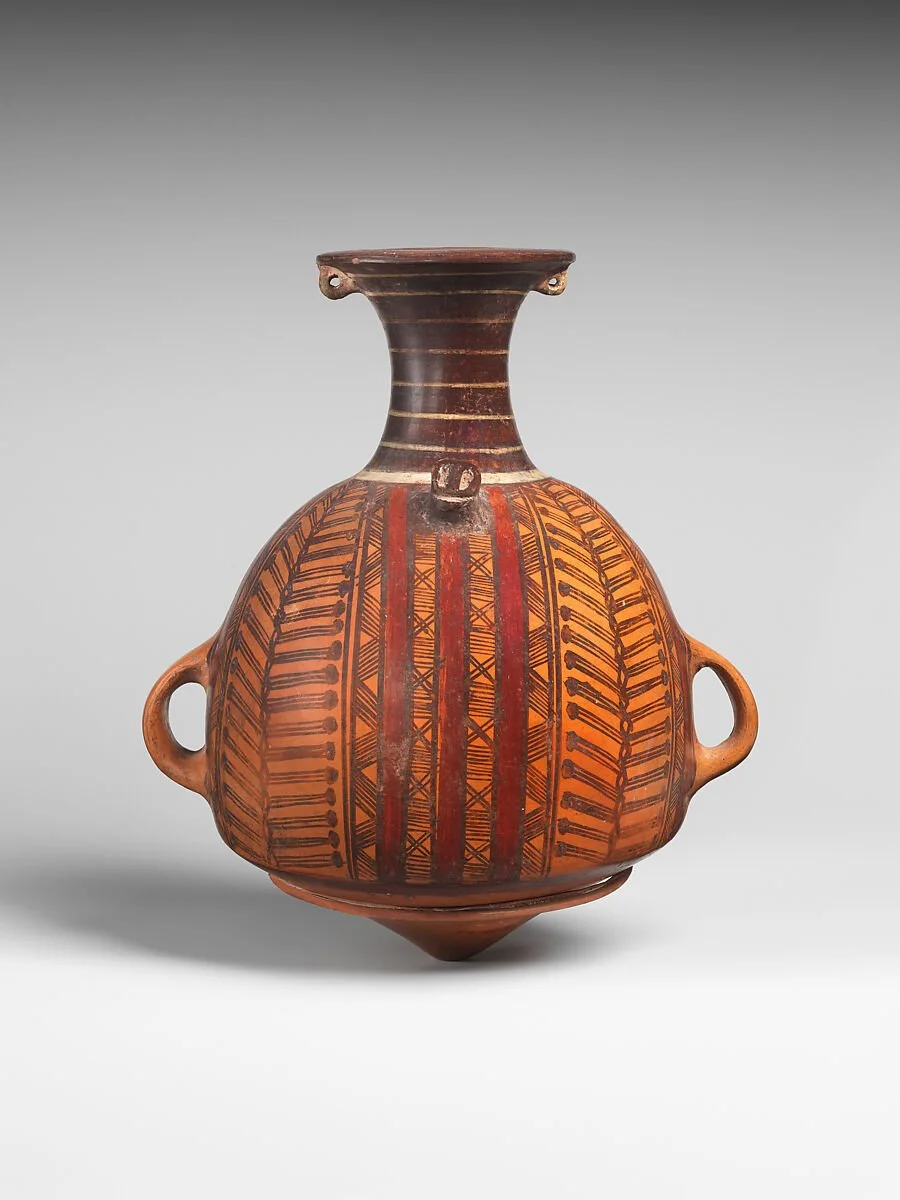
Teach the Inca through infrastructure rather than a list of achievements
Connect Inca roads, storage, labor and records through a teacher-created supply scenario. Use museum objects to test assumptions and distinguish historical evidence from classroom analogies.
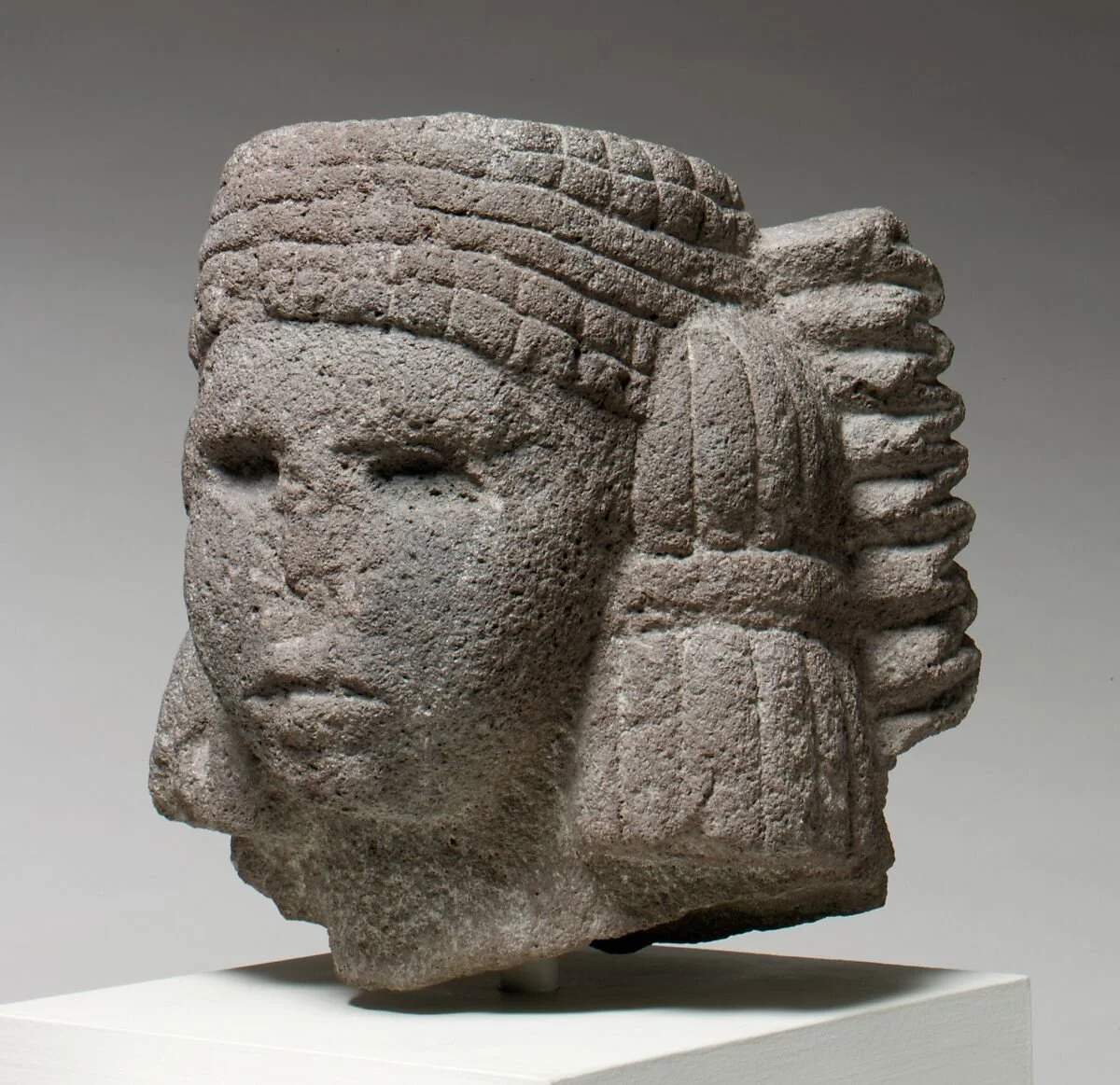
Make Tenochtitlan a case study in urban problem solving
Turn Tenochtitlan into a source-based systems inquiry. Connect water, food, movement and shared work while distinguishing object observations from historical explanations.
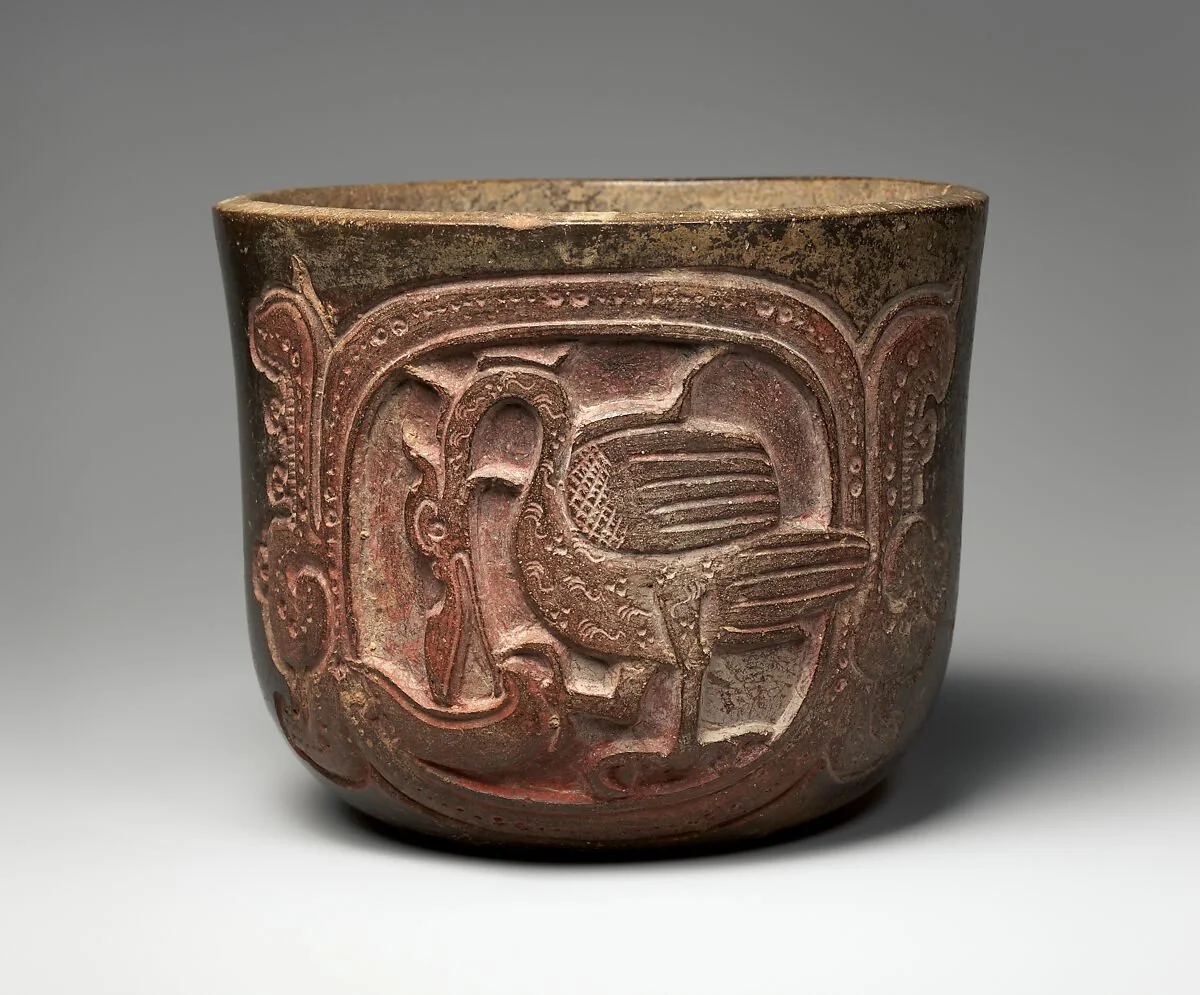
Keep Maya lessons from becoming a story about a vanished people
Connect ancient Maya objects with contemporary voices. Use careful source comparisons to distinguish political change from disappearance and explain calendar systems without exaggerated precision claims.
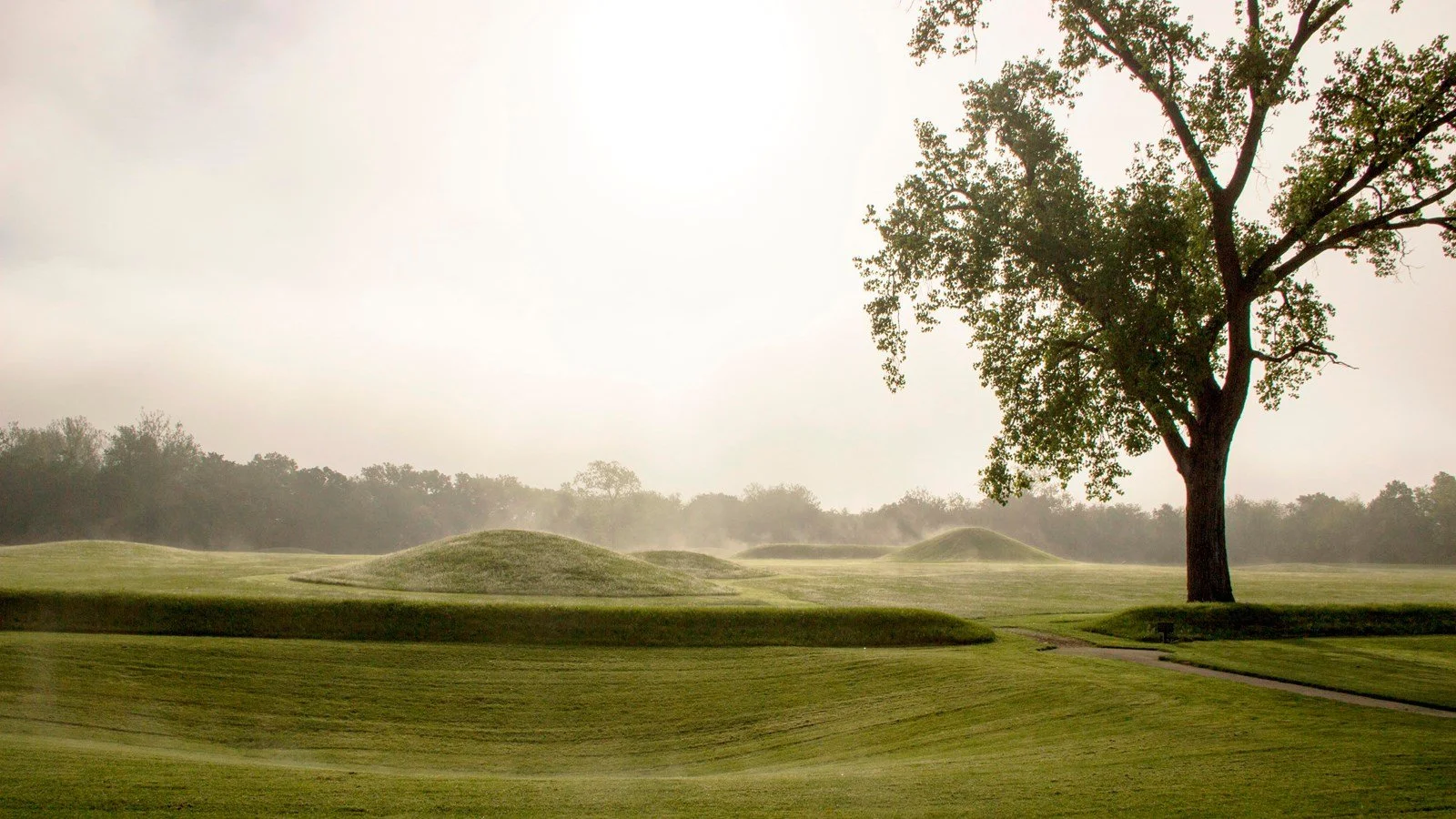
Map Indigenous trade and diplomacy without turning connections into one culture
Teach students to distinguish a material’s origin, an inferred route and a diplomatic agreement. Build an annotated map that makes historical uncertainty visible without merging distinct communities.
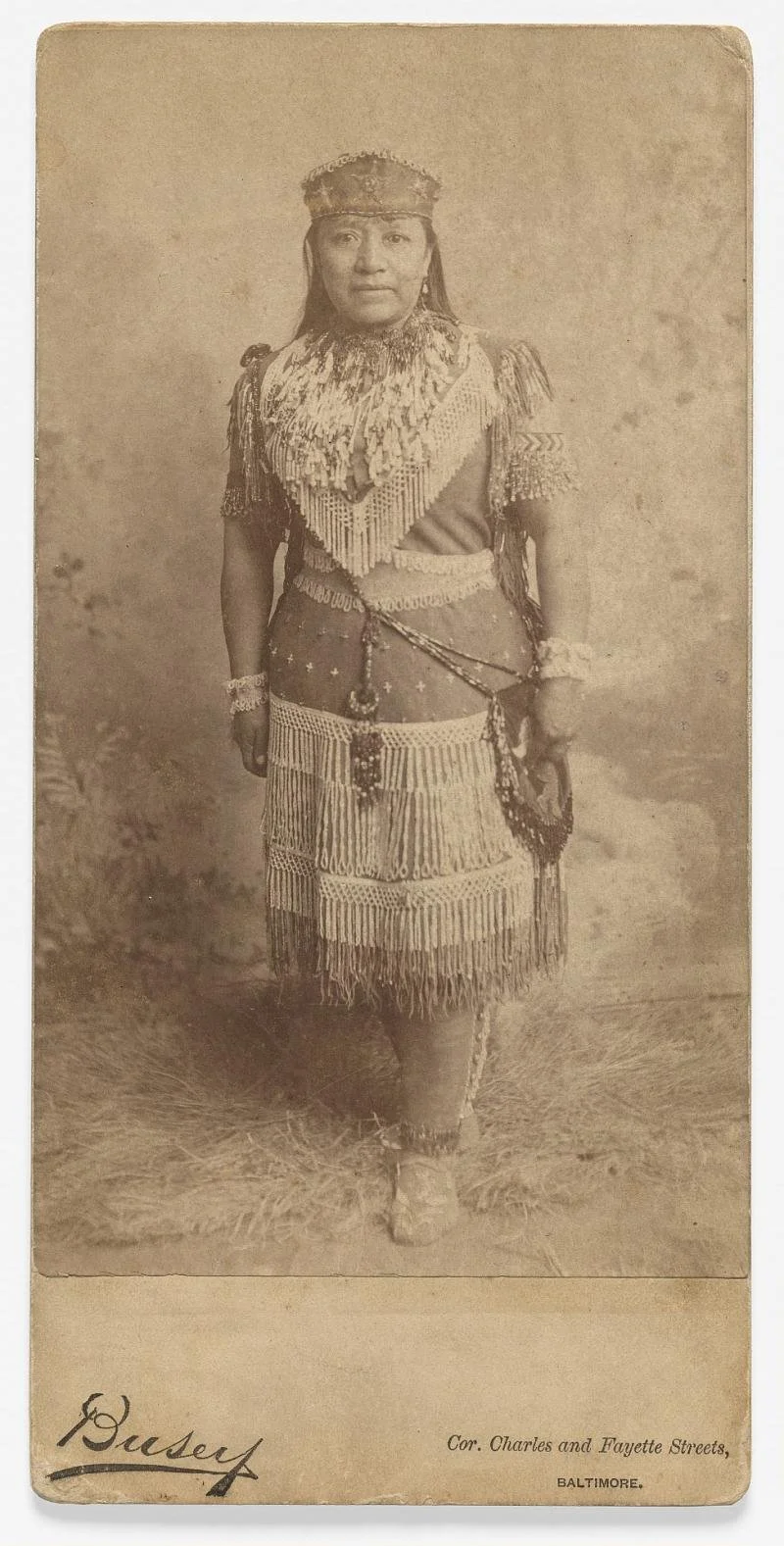
Broaden Indigenous history beyond famous men and battles
Move beyond a sequence of battles with a source-based inquiry into advocacy, education and collaboration. Compare Sarah Winnemucca’s work with named artistic and community-learning examples.
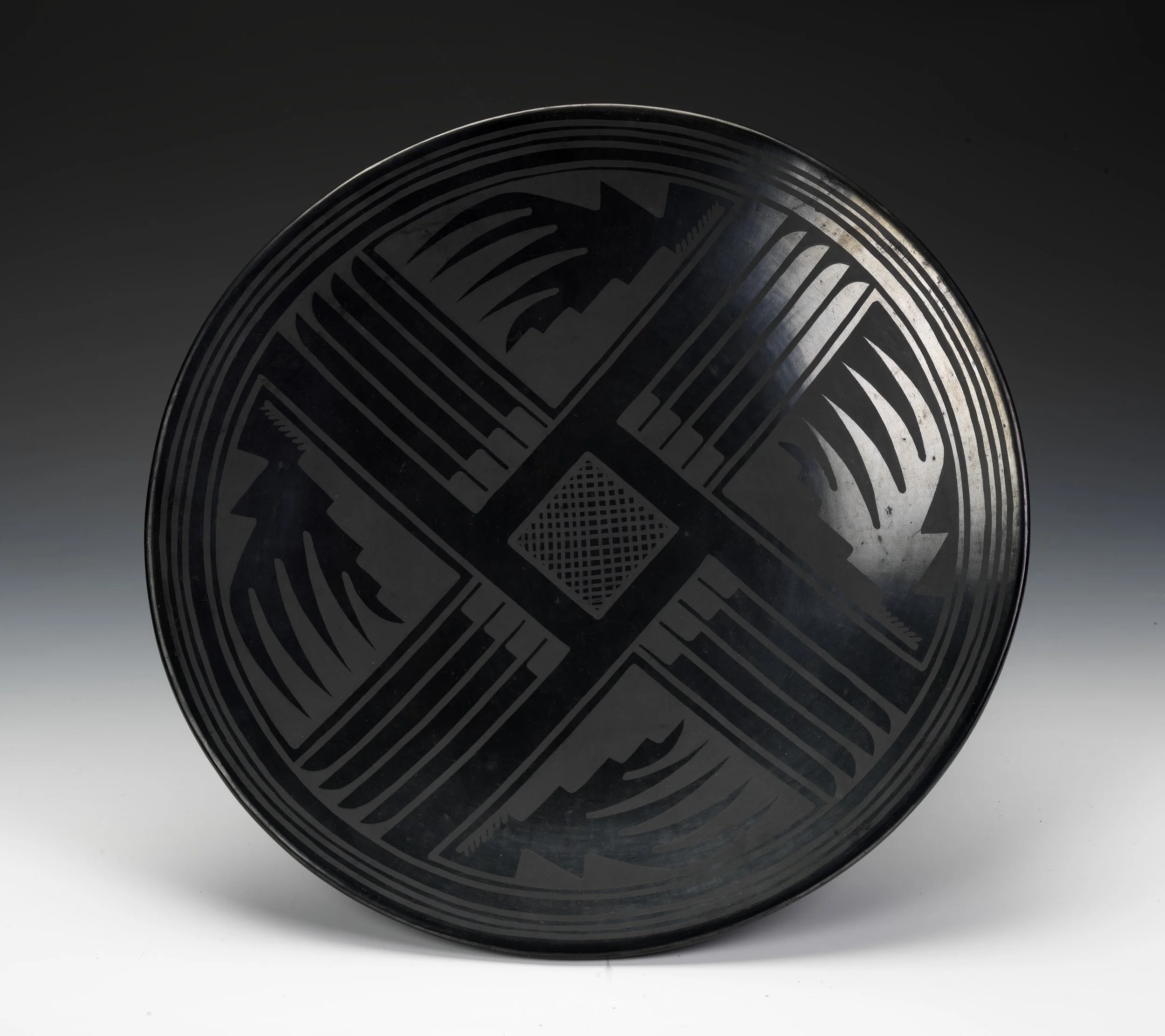
Teach Indigenous art as communication rather than classroom decoration
Replace generic decorative projects with careful object analysis. Help students name artists, distinguish observation from interpretation and write evidence-based museum labels.
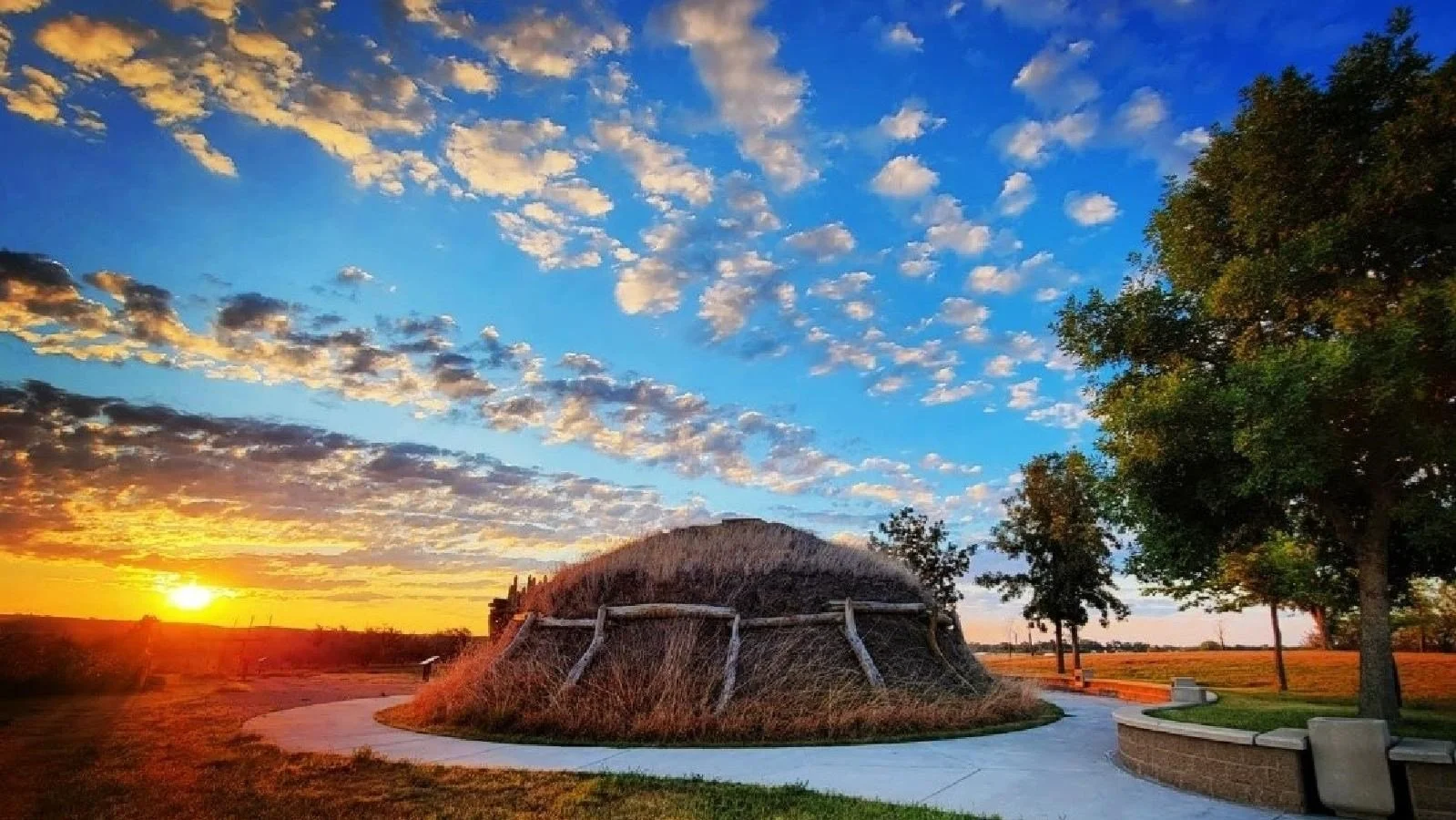
Teach Indigenous homes and clothing through design choices without costume activities
Use named communities, contextual photographs and source-based comparisons to teach homes and clothing through design choices, without costume activities or stereotypes.