
By HistoraEDU
“Who was the best leader?” often produces a list of famous names and confident opinions. Students need a more precise task. Ask them to examine a decision, the authority available to the person making it, the people affected and the evidence of its consequences. This approach leaves room for military leadership, presidential power and advocacy without turning the Civil War into a personality tournament.
Match the question to the kind of authority
Start by distinguishing a military commander, a president and an advocate. They did not possess the same powers or face the same responsibilities. A comparison becomes more useful when students ask how someone used the influence available to them rather than pretending that every person held the same job.
Use four prompts in a notebook: What did this person do? What could they control? Who was affected? What source supports the consequence? Add a fifth prompt when needed: whose account is missing? The organizer is a teacher-created activity, not a claim about the contents of every resource linked below.
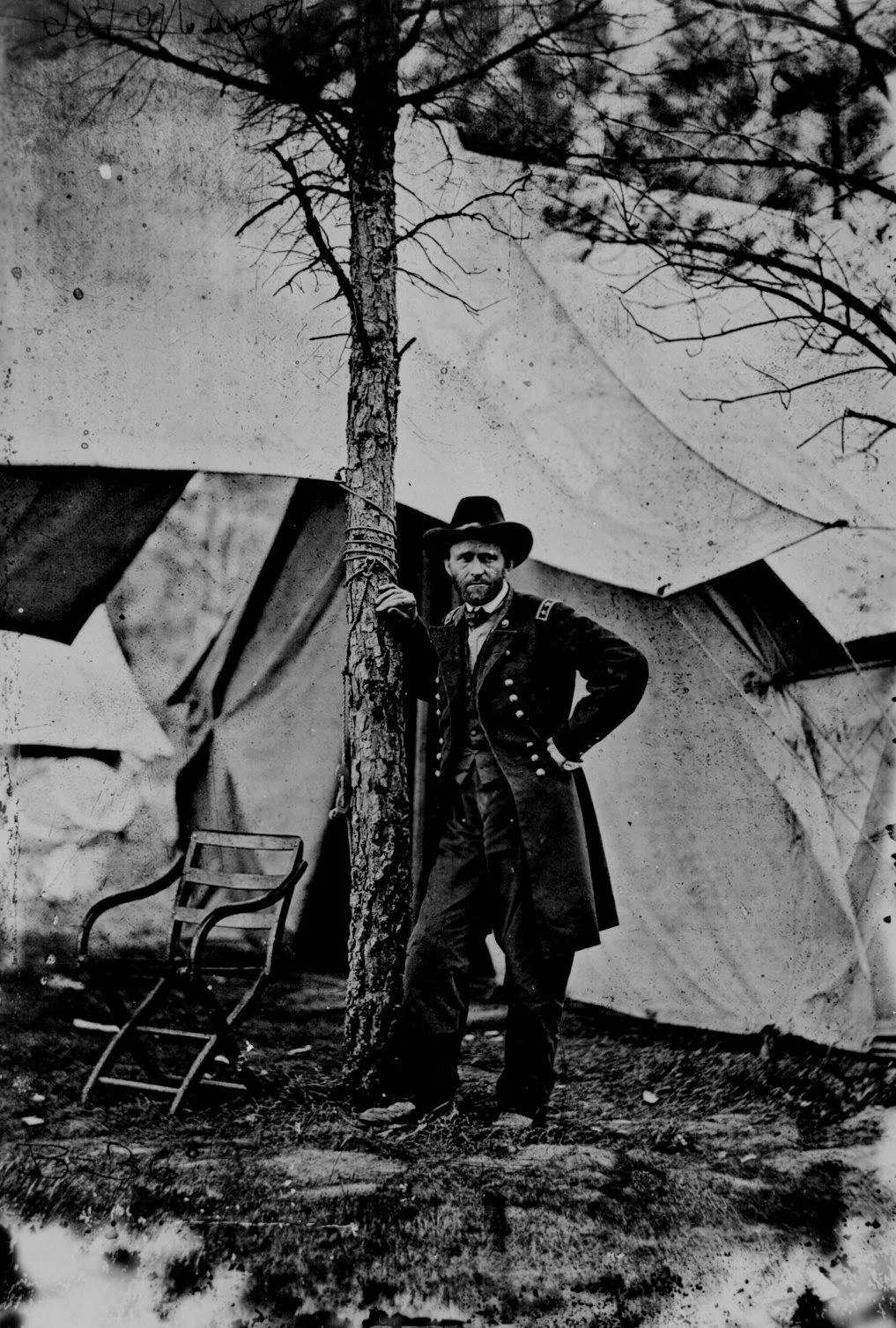
Ulysses S. Grant at Cold Harbor, Virginia, June 1864, NAID 524455. A commanding pose is not evidence that a decision was effective. Credit: National Archives. Public domain; no endorsement implied.
Use an official action as the evidence anchor
The Emancipation Proclamation provides a focused example. Students can identify what Lincoln ordered, where the order applied and the limits of its immediate reach. The National Archives explains that the proclamation applied to designated areas in rebellion, did not abolish slavery everywhere, and linked emancipation to the Union war effort.
Ask students to write one sentence about the action and another about its limits. This prevents a portrait-based lesson from becoming a simple story in which one famous person single-handedly delivered freedom. Enslaved people’s actions and the service of Black troops belong in the explanation too.
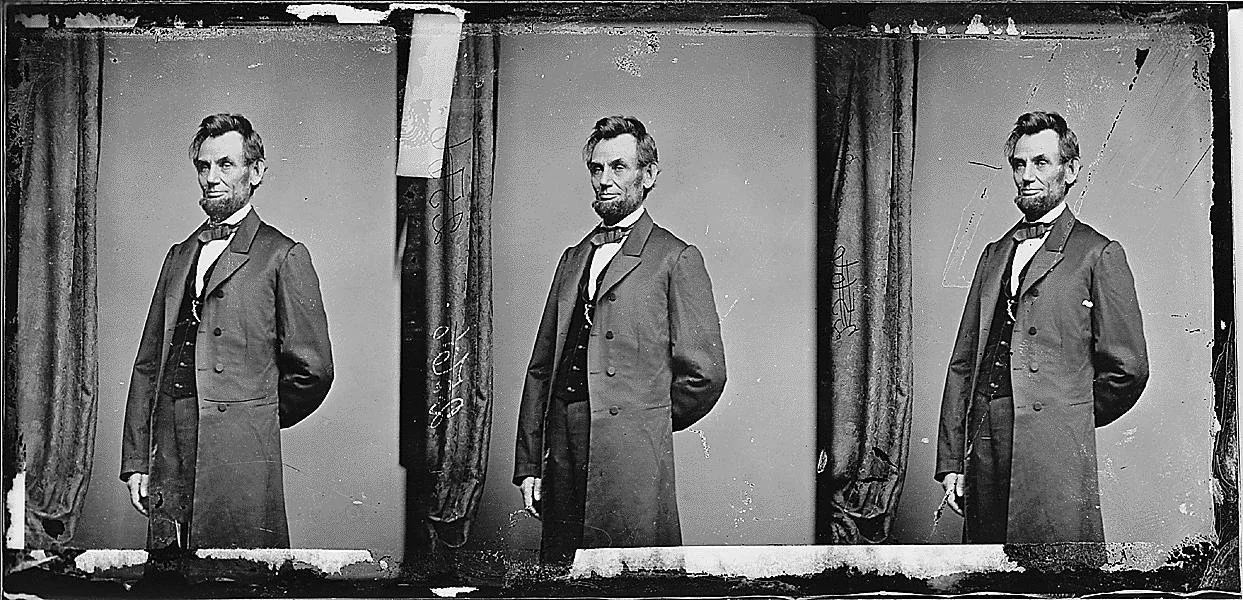
Abraham Lincoln, approximately 1863, NAID 527823. Use alongside a dated document rather than as a substitute for one. Credit: National Archives. Public domain; no endorsement implied.
Make advocacy visible
Frederick Douglass offers a different kind of influence. The NPS account describes his recruitment of Black soldiers and his advocacy to Lincoln over unequal treatment and pay. Ask students what tools an advocate could use that differed from a president’s legal authority or a general’s command.
Do not award points for defending a leader unconditionally. Students can recognize a consequential action and also identify a limitation, harmful decision or excluded perspective. Confederate leadership must be situated within the defense of slavery, not separated from the political project it served.
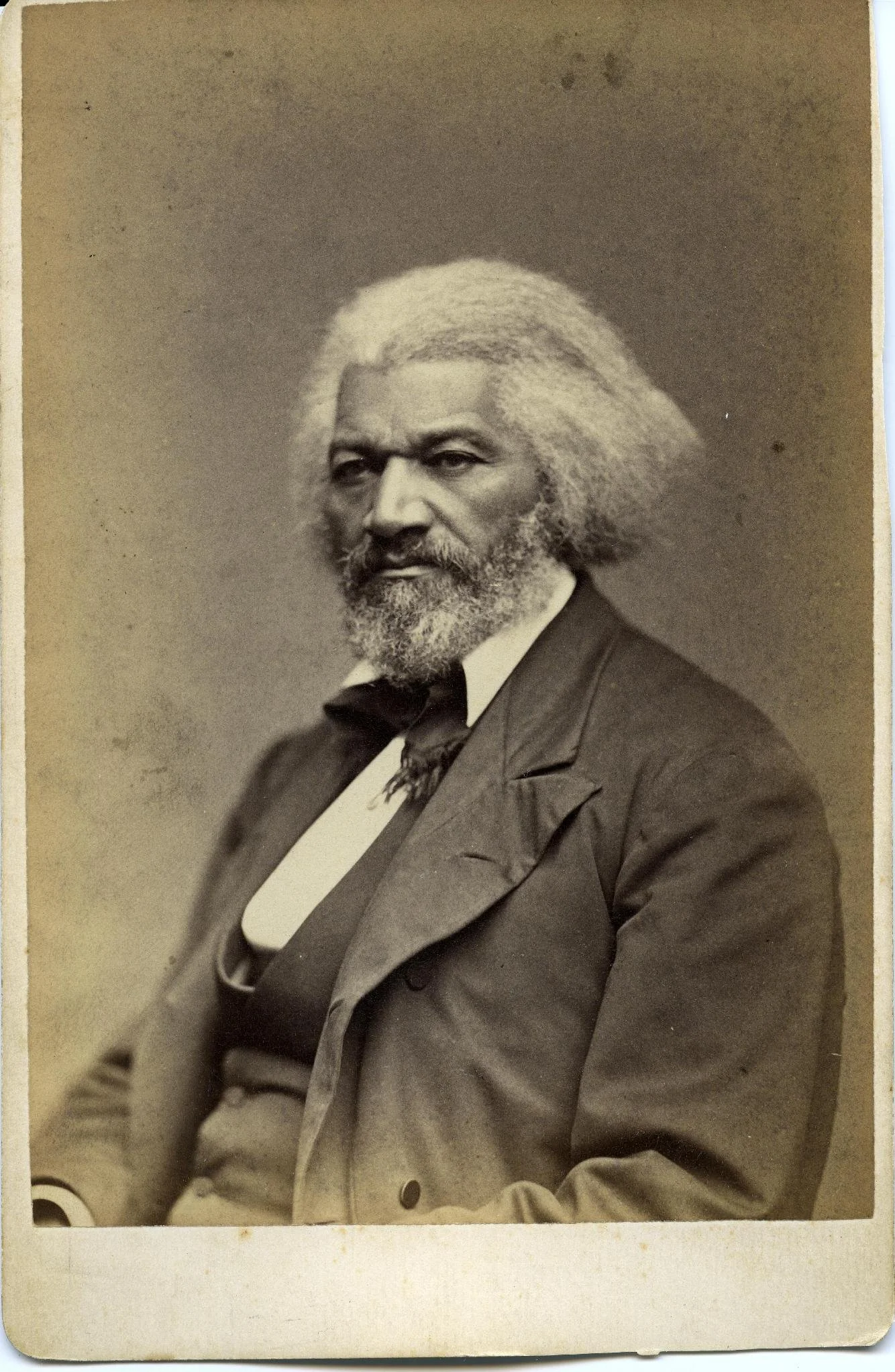
Frederick Douglass, 1879, NAID 558770. This postwar portrait identifies the advocate; it is not a photograph of his wartime meetings. Credit: National Archives. Public domain; no endorsement implied.
Finish with a claim that can be checked
Instead of ranking six people, have students choose one decision and explain its significance in a paragraph. Require a named source, a consequence and a limit to the claim. A useful peer response is “Which sentence would I need more evidence to accept?”
Choose a small pairing from the readings below. Lincoln and Douglass support a comparison of formal power and advocacy. Grant, Lee and Jackson support a command-focused inquiry, while Davis adds Confederate political leadership. These are possible teaching pairings, not claims that the texts are interchangeable.
Ulysses S. Grant | Civil War Reading Comprehension Worksheet
View this HistoraEDU resource on TPT
Use for a command-focused decision study; avoid presenting the war as the achievement of one general.
Robert E. Lee | Civil War Reading Comprehension Worksheet
View this HistoraEDU resource on TPT
Use to examine specific decisions in context, not to repeat an unqualified “greatest general” label.
Stonewall Jackson | Civil War Reading Worksheet
View this HistoraEDU resource on TPT
Use to distinguish a reputation or nickname from evidence about a particular action.
Abraham Lincoln as Wartime President | Civil War Reading Worksheet
View this HistoraEDU resource on TPT
Use alongside the actual proclamation or another dated official document to examine presidential authority and limits.
Jefferson Davis & the Confederacy | Civil War Reading Worksheet
View this HistoraEDU resource on TPT
Use to investigate Confederate political leadership while retaining slavery as central context.
Frederick Douglass and the Civil War | Reading Comprehension Worksheet
View this HistoraEDU resource on TPT
Use to bring recruitment, advocacy and equal treatment into a leadership inquiry that might otherwise include only presidents and generals.
Sources and image credits
National Archives Emancipation Proclamation
NPS Frederick Douglass biography
Product thumbnails: HistoraEDU, reproduced from the exact current TPT listings at the owner’s request. Archival sources do not endorse HistoraEDU or its products. No claim to original U.S. Government works.
