
By HistoraEDU
Students may remember the word monopoly, recognize a reformer, and identify a territory on a map while struggling to explain why those ideas appear in neighboring units. Another round of isolated questions will not necessarily reveal the missing connection. Try a review grid that asks students to move from a condition to a response, then decide how strong the evidence for that relationship really is.
Start with a connection students can test
Make a four-column note catcher: condition, person or institution responding, action, and evidence. Begin with a specific example from your course rather than a claim that industrialization caused everything that followed. Students might investigate concentrated business power and a government response, or documented working conditions and a reform campaign.
A useful model is the Sherman Antitrust Act of 1890. Its text prohibits specified restraints of trade and monopolization. Ask students which problem the act addresses, who is authorized to act, and what evidence would be needed to judge enforcement. Passing a law and changing business practices belong in different columns of an explanation.
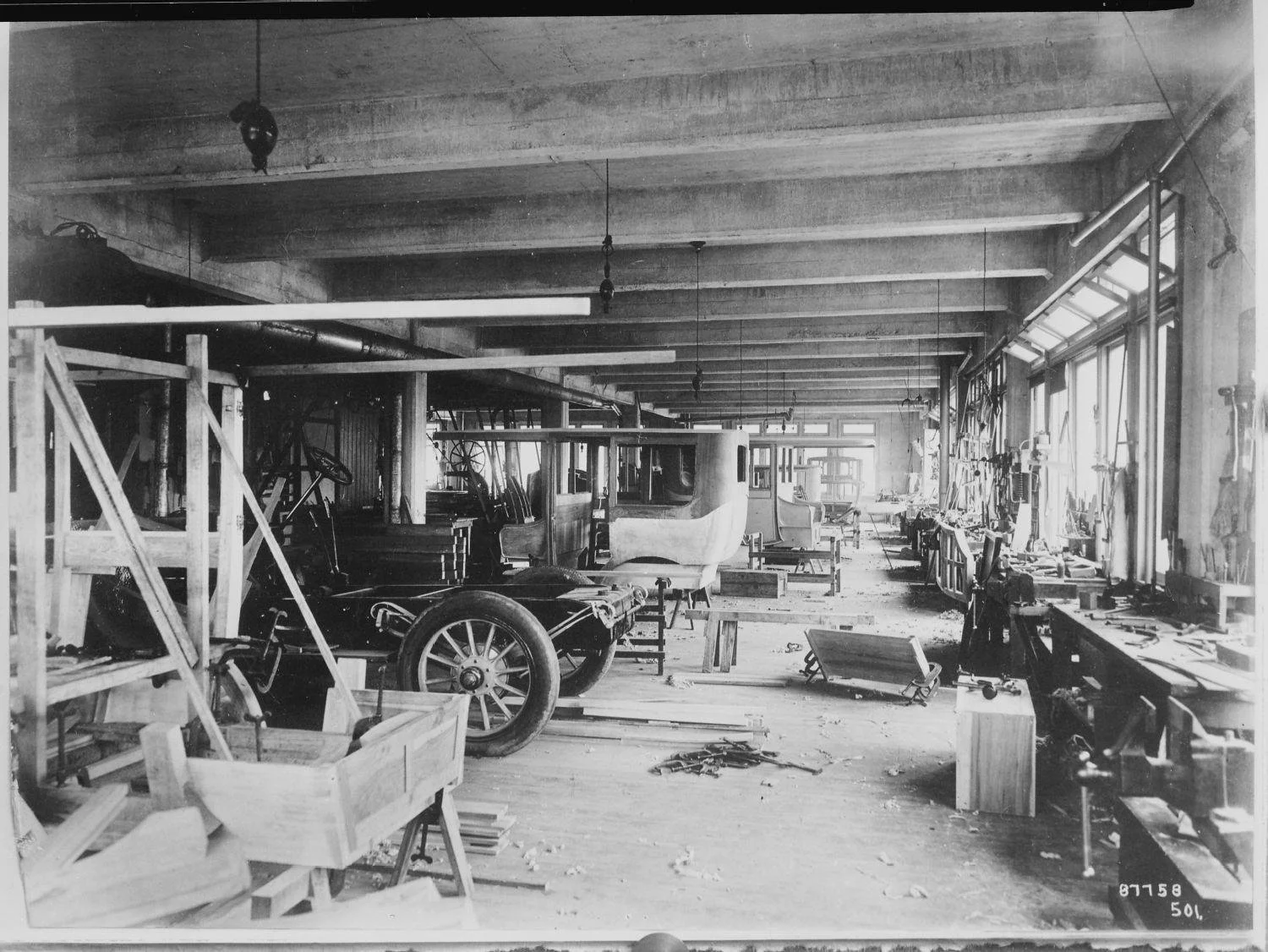
Interior of a Pittsburgh factory making wooden limousine bodies, October 1912. This particular workshop can anchor industrialization review without assuming every factory used the same materials or methods. Credit: National Archives, NAID 523030. Public domain.
View the archive record | Image reuse terms
Use a photograph to slow down a familiar answer
Project the industrial-work photograph with its catalog caption. Students first list visible details about the workplace. Then they mark which conclusions come from the image and which depend on the photographer’s notes or another source. The photograph can support a carefully bounded observation; it cannot establish national working conditions by itself.
If a student writes “workers had no rights,” ask for a more precise statement. Which workers, which workplace, which protection, and which date? Keep the question manageable by supplying one short excerpt already taught. The goal is to replace an oversized claim with an answer that the evidence can actually carry.
Make every game round produce one relationship
Use selected questions from the Industrialization game to retrieve the necessary vocabulary and actors. After a short round, pairs choose one answer and complete a row of the grid. Only then move to questions from the Progressive Era game. Students now have a reason to connect a reform to a particular condition rather than merely remember the reformer’s name.
Allow “connection not yet established” as an answer. Two events occurring near each other does not prove that one caused the other. Ask a pair to name the document they would need: a petition, a law, a speech, or testimony. This makes uncertainty a research task rather than an invitation to guess.
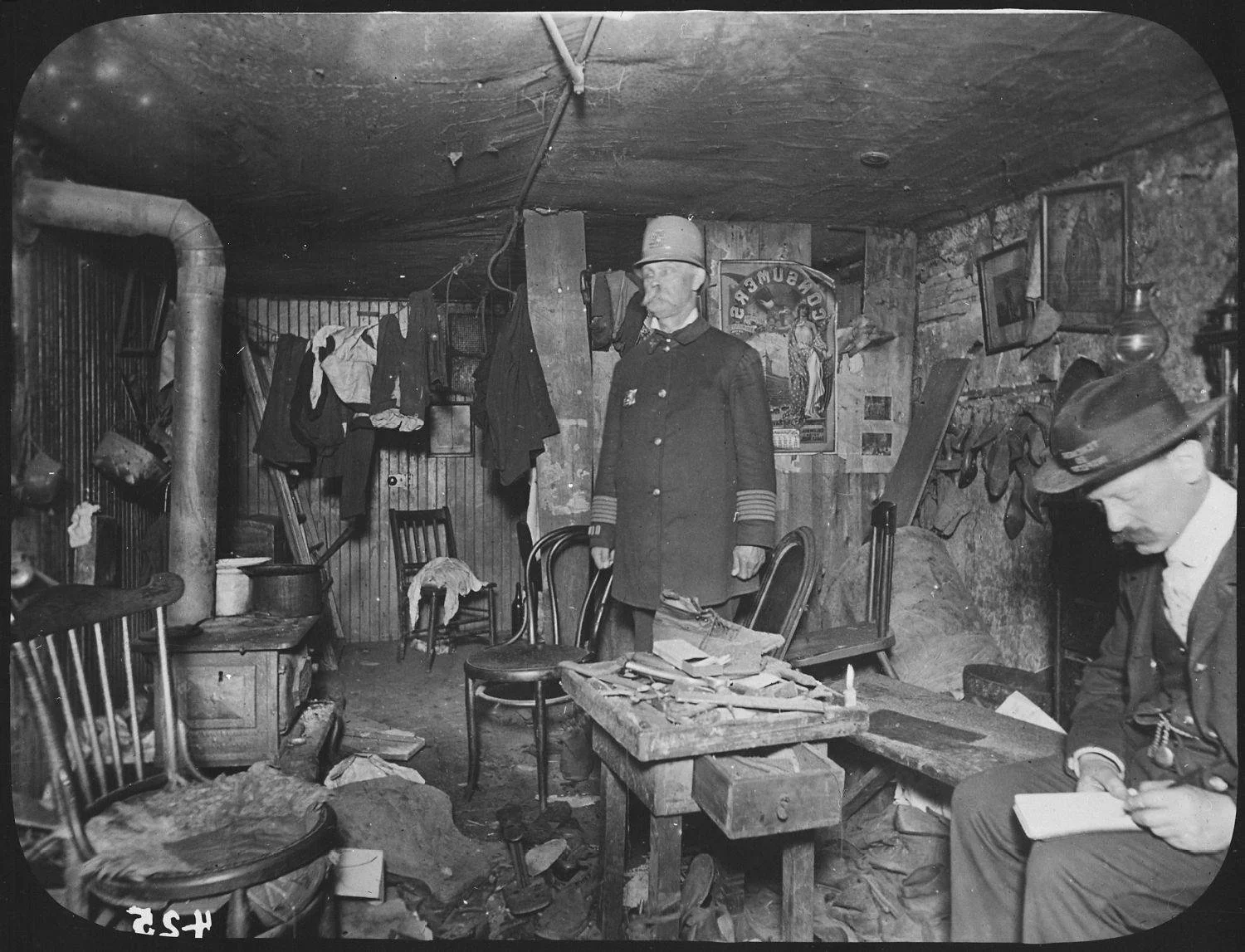
Two New York City Tenement House Department officials inspect a basement living space, circa 1900. Pair the photograph with a housing rule or reform proposal before making a claim about reform’s results. Credit: National Archives, NAID 535469. Public domain.
View the archive record | Image reuse terms
Bring imperialism into the comparison without forcing a single cause
Add selected questions from the Imperialism game after students can distinguish domestic economic changes from reform responses. Its listing includes economic, political, and military motives, the Spanish-American War, overseas involvement, and debates about expansion. Use those topics to ask a narrower question: which motive does a particular speaker give for a particular action?
Do not turn the grid into “factories needed markets, therefore expansion happened.” Require students to identify an actor and a supported mechanism, and leave room for competing explanations. The archival image of overseas activity supplies a setting for questions about power and perspective. Pair it with a source by people affected by expansion when you develop the lesson; a U.S. government photograph does not stand in for their views.
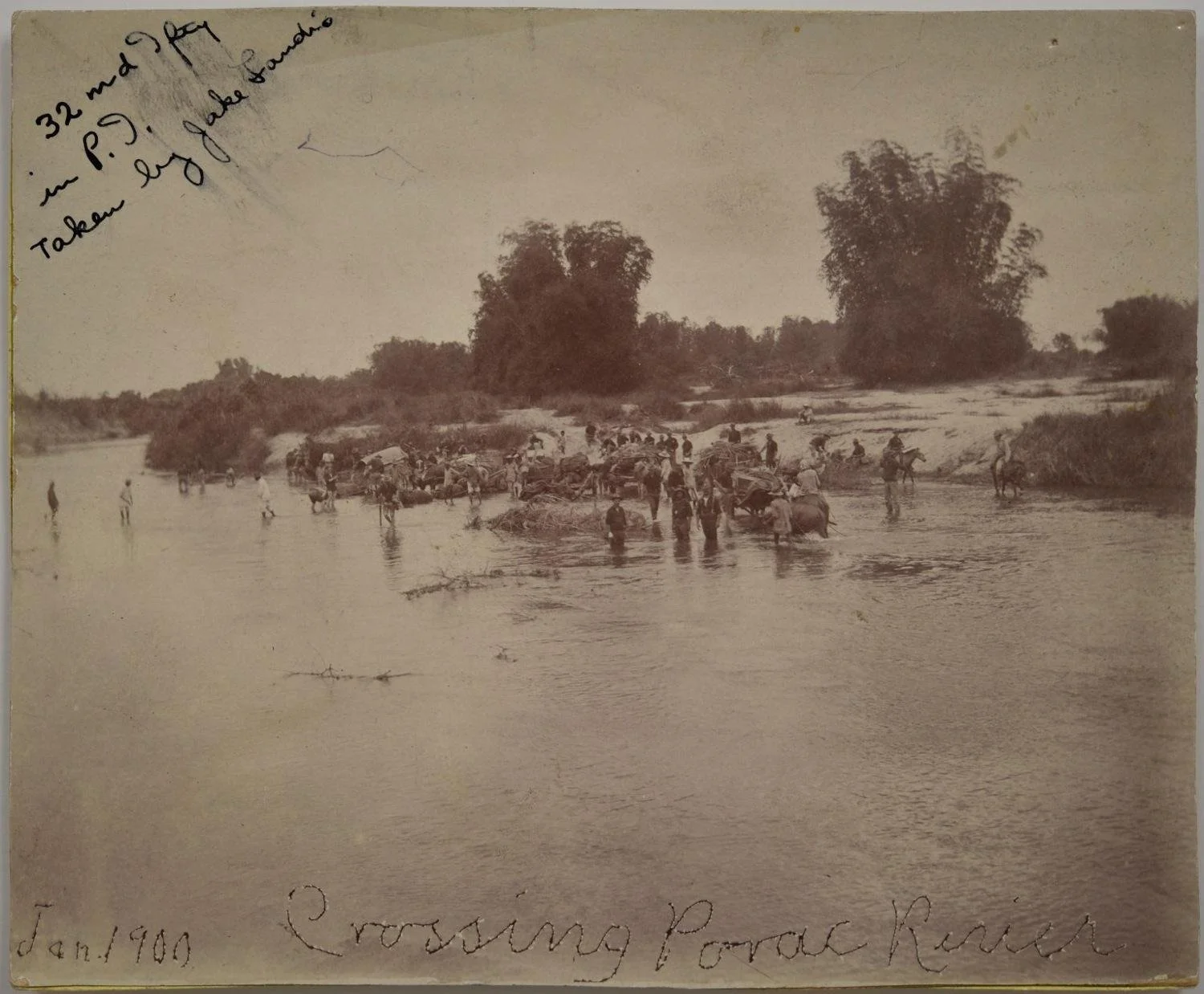
The 32nd Infantry crossing the Porac River in the Philippines, January 1900. This U.S. military photograph belongs to the Philippine-American War context, not to the fighting in Cuba in 1898. Credit: Jake Landis, as credited in the original caption. National Archives, NAID 155510276. Unrestricted use per item record.
View the archive record | Image reuse terms
Make the task accessible without removing the reasoning
For a shorter lesson, use one completed row as a model and ask students to finish two more. Provide a small vocabulary bank and let partners rehearse an explanation before writing. A student who needs language support can use “This action responded to ___ because the source says ___.” The evidence still matters even when the sentence structure is supplied.
For an extension, ask students to compare two responses to the same condition. They should identify who supported each response, what authority it relied on, and what remained unresolved. Avoid debates that require students to endorse exploitation or deny people’s rights. Historical analysis can examine those arguments without making students perform them.
Choose resources for the gap you observed
The three HistoraEDU games below are separate interactive digital resources with student-access links, teacher guidance, and editable Canva materials described in their listings. They can supply retrieval questions; the cross-unit grid and source comparison are additions you make. Choose one game for reteaching within a unit or selected questions from several for a cross-unit review.
Finish with a two-sentence exit ticket: explain one supported connection and identify one claim the available evidence does not establish. The response tells you whether a student can build an explanation, not just recognize the words on a review slide.
Find the matching review resource
Industrialization Review Game | Social Studies | Interactive Test Prep Trivia
View this HistoraEDU resource on TPT
Retrieve vocabulary and examples about business, labor, urbanization, immigration, and technology before completing a grid row.
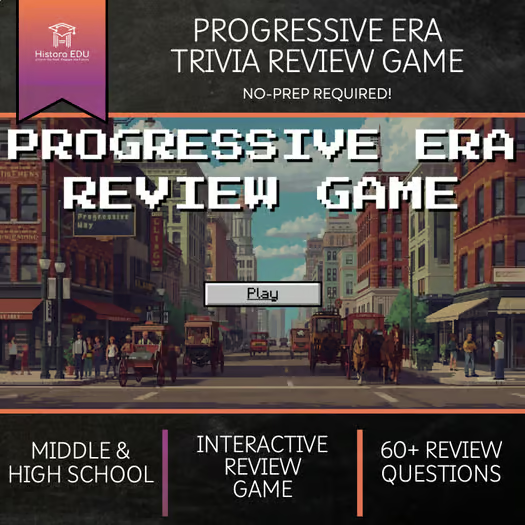
Progressive Era Review Game | Social Studies | Interactive Test Prep Trivia
View this HistoraEDU resource on TPT
Review reform movements and government responses, then identify the problem and evidence behind one response.
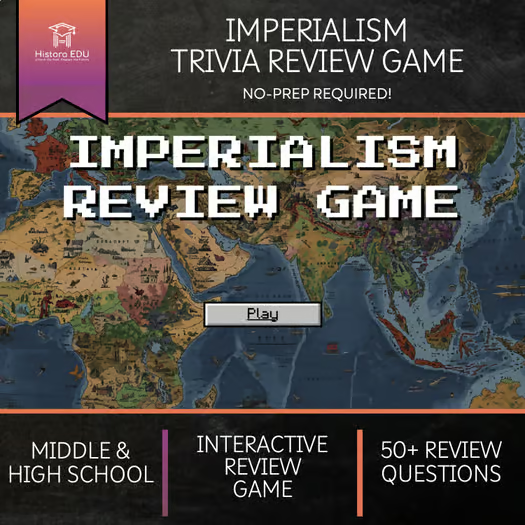
Imperialism Review Game | Social Studies | Interactive Test Prep | Trivia
View this HistoraEDU resource on TPT
Review motives and debates about overseas expansion without treating one economic explanation as sufficient for every event.
Product covers: HistoraEDU, reproduced from the exact TPT listings with the owner’s authorization. Archival photographs are credited above. No archive, photographer, or person pictured endorses HistoraEDU.
