
By HistoraEDU
The scoreboard says one team knows the unit. Your notebook says only two students have spoken. A lively review game can still leave you unsure who understands the content and who is following a confident teammate. Keep the game, but add a short individual response before each team answer and a correction afterward. That small routine gives you something more useful than a winning score: evidence you can use to plan the next lesson.
Decide what you want to see
Choose one target before opening the game. Students might need to distinguish a cause from a consequence, place an event in its era, or explain why a tempting answer is wrong. Select a manageable set of questions that addresses that target. Finishing every question is less important than finding the misunderstanding that would otherwise follow students into the assessment.
Give everyone a folded response sheet with three spaces: my first answer, the evidence or explanation, and my correction. This is a teacher-added routine, not a claim that the game automatically records individual responses. Model it with one question before points count.
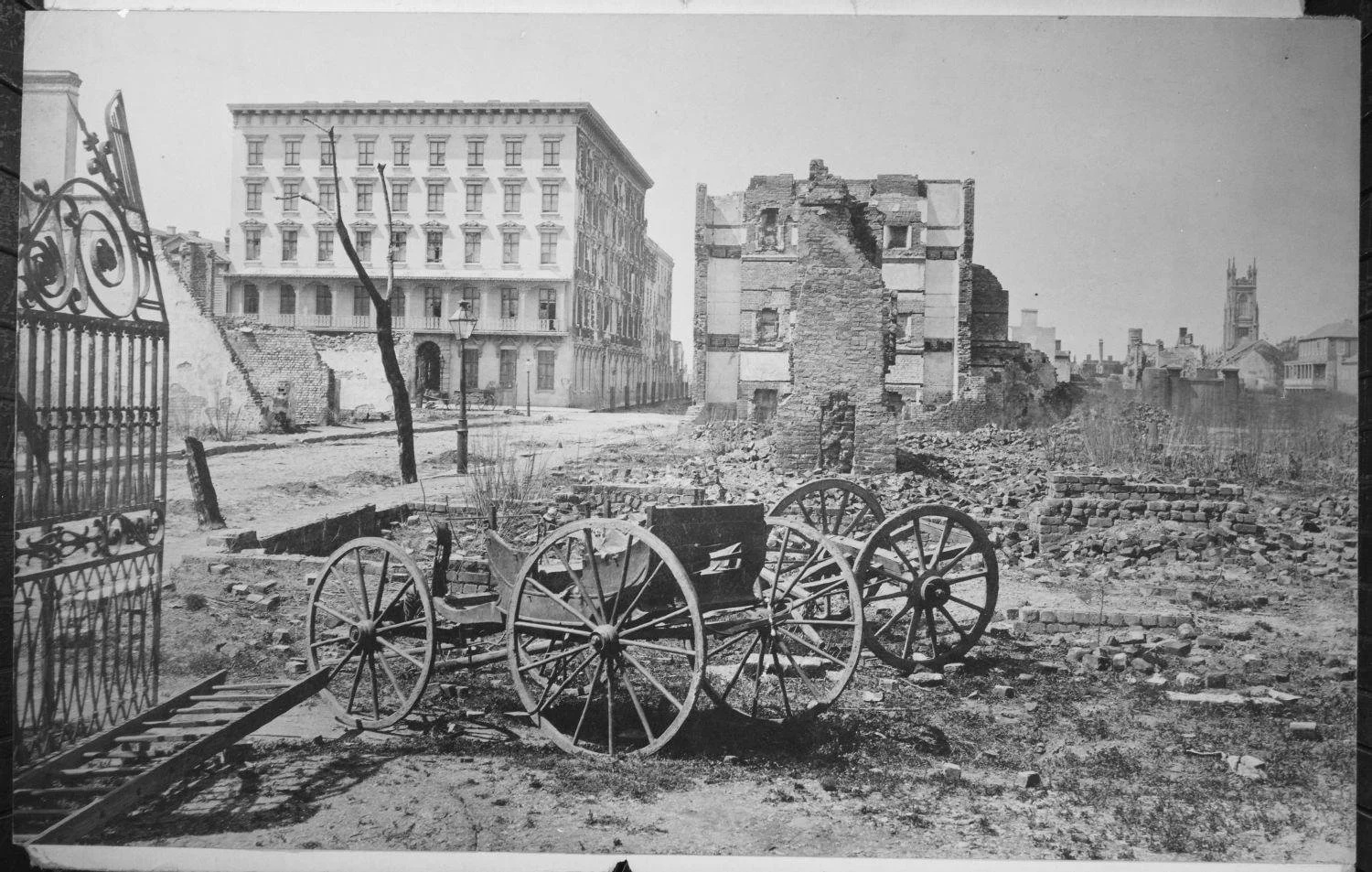
Mills House and nearby damage in Charleston, South Carolina, photographed in 1865. The photograph records a place at the end of the Civil War; it does not document all of Reconstruction. Credit: National Archives, NAID 533131. George N. Barnard. Public domain.
View the archive record | Image reuse terms
Source round: Place 1865 after the war’s beginning. Identify visible damage, then name a Reconstruction question that the photograph alone cannot answer.
Make thinking happen before team talk
Read or display the question, then allow a quiet response. Students can write a phrase, sketch a labeled relationship, or select an answer and explain it orally to you when appropriate. After that pause, partners compare reasoning. Rotate the team spokesperson so the same quick reader does not become the permanent voice of the group.
Keep the game score separate from assessment. You can award a classroom explanation point when a team names relevant evidence, but do not assume that the digital game has a built-in explanation-scoring feature. Record that point yourself. A team can win a round while an individual still needs help; your response sheets should make that visible.
Add an occasional source round
The three photographs in this article can become short source rounds rather than background decoration. Display one with its date and archive caption. Ask: What can you actually observe? Which unit helps you place it? What would require another source? A useful answer may explain a limit rather than supply another memorized fact.
Model a date-versus-event correction with the actual photographs. Give students the mistaken claim, “This 2006 bridge photograph shows Bloody Sunday in 1965.” Ask them to separate the date photographed from the earlier event associated with the site, then name a contemporary source needed to investigate that event. Pair it with the 1865 Charleston photograph: visible damage at one place does not establish what Reconstruction was like everywhere. Students replace an oversized claim with one supported observation and one question that needs another source. Keep both captions visible so the task measures historical reasoning, not guesses about image age.
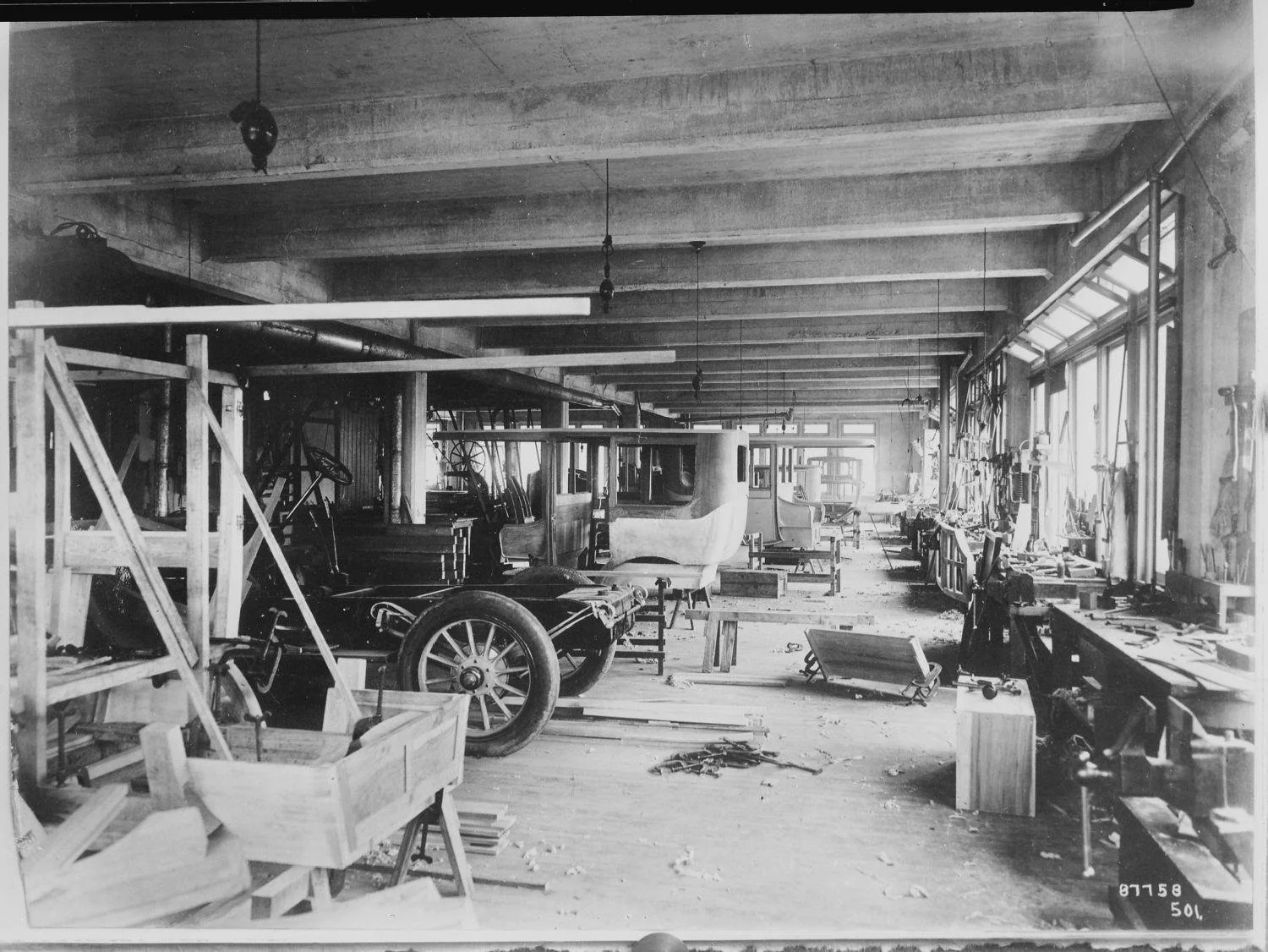
Interior of a Pittsburgh factory making wooden limousine bodies, October 1912. This particular workshop can anchor industrialization review without assuming every factory used the same materials or methods. Credit: National Archives, NAID 523030. Public domain.
View the archive record | Image reuse terms
Source round: Identify materials and workshop organization. What additional source would you need to determine workers’ wages, hours or safety conditions?
Let corrections earn their place
After revealing an answer, resist moving straight to the next slide. Ask students who changed their response to complete: “I confused ___ with ___; the detail that separates them is ___.” Students who were correct can explain why an alternative fails. Both groups have a job, and neither needs to announce a mistake publicly.
Collect two responses midway through the lesson. If several students name an event correctly but cannot explain its significance, pause for a short source discussion. If the problem is chronology, draw a quick timeline. The game should help you choose the next teaching move, not prevent you from making one.
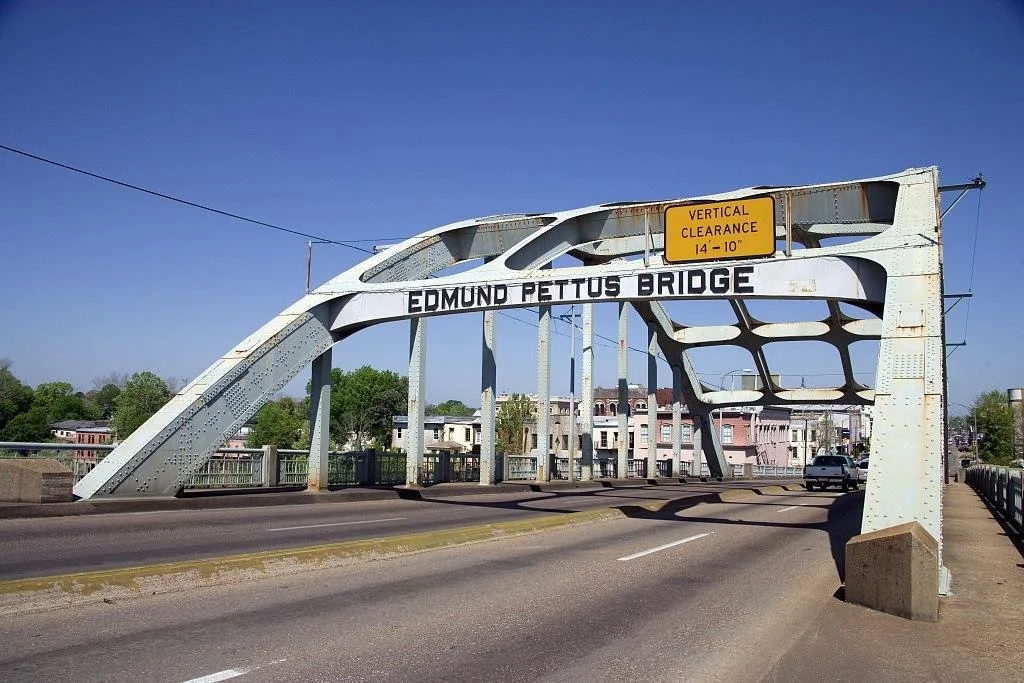
Modern photograph of the Edmund Pettus Bridge in Selma, Alabama, April 11, 2006. The bridge was the site of the March 7, 1965, attack on voting-rights marchers known as Bloody Sunday; this image does not show that event. Credit: Carol M. Highsmith, LC-DIG-highsm-04116. The Library of Congress, Carol M. Highsmith Archive. Public domain.
View the archive record | Image reuse terms
Source round: Distinguish the 2006 photograph date from the 1965 event associated with the site. Which earlier sources would show what demonstrators demanded and how officials responded?
Choose the game format that fits the class
HistoraEDU’s Tower Defense resource is a team game with an editable Canva board and question slides, a premade version, teacher instructions, and student rules. Correct answers allow teams to attack another team’s tower. If elimination or direct competition distracts your class, use a timed round and keep everyone responding on paper, including students whose team has lost its towers.
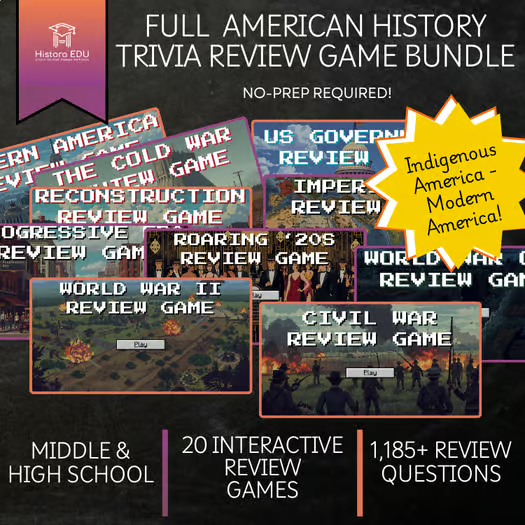
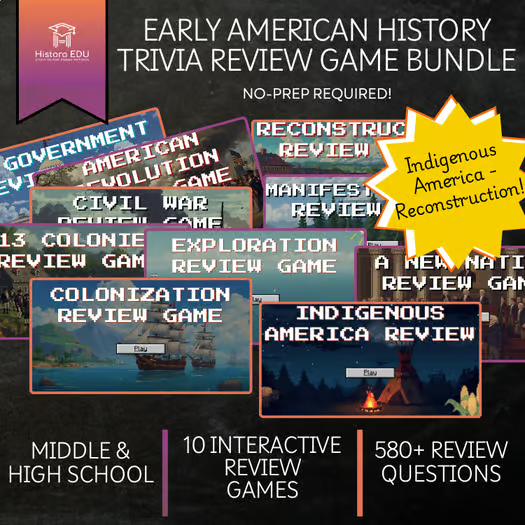
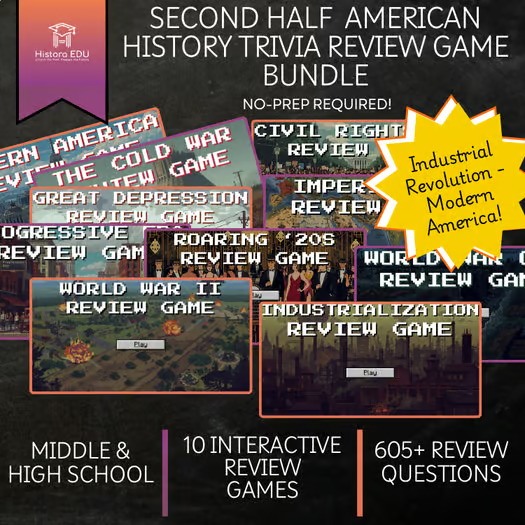
The three review bundles serve a different purchasing decision: how much of the course you need. The full collection lists 20 era games; the early and second-half collections each list 10. Their eras overlap with the full collection, so treat them as alternatives rather than three separate sets to buy together. Check what you already own. The Tower Defense listing is a separate resource; do not assume it comes with these bundles.
Finish with one answer nobody can borrow
Use the final three minutes for an individual exit prompt: explain one corrected misconception and support the correction with a source detail or a dated example. Sort responses into ready, needs a short check, and needs reteaching. Use those groups privately to choose tomorrow’s opener. The class can still celebrate the game; you leave with a clearer picture of the learning.
Find the matching review resource
U.S. History Tower Defense Game | Interactive Review Activity | Editable Canva
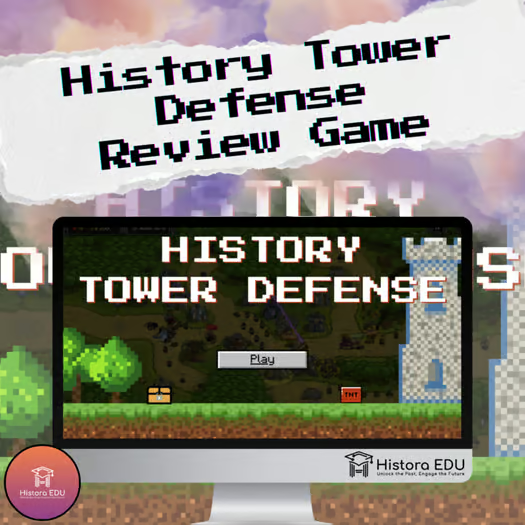
View this HistoraEDU resource on TPT
A flexible team format when you want to choose or edit the review questions and run the response routine yourself.
Full U.S. History Review Game Bundle | Interactive Test Prep | 1000+ Trivia
View this HistoraEDU resource on TPT
A 20-game collection spanning early through modern America; an alternative to purchasing both overlapping half-course bundles.
Early U.S. History Review Game Bundle – Early America through Reconstruction
View this HistoraEDU resource on TPT
The 10-game early-America-through-Reconstruction option for a course focused on that span.
Second Half of U.S. History Review Game Bundle | Interactive Test Prep Trivia
View this HistoraEDU resource on TPT
The 10-game industrialization-through-modern-America option for a later-history course.
Product covers: HistoraEDU, reproduced from the exact TPT listings with the owner’s authorization. Archival photographs are credited above. No archive, photographer, or person pictured endorses HistoraEDU.
