
By HistoraEDU
Civil War imprisonment is a serious topic, but a lesson does not need graphic photographs or a simulation to make it meaningful. Give students a concrete question about conditions and responsibility, a small set of contextualized sources and room to respond privately. The goal is an explanation of what happened to people, not an activity that makes students perform captivity.
State the purpose before showing a source
Tell students that the lesson examines how institutions treated prisoners and what evidence can establish about conditions. Preview the material for your class and provide a non-graphic route through the same learning goal. Avoid surprise images, ration simulations or assigning students the roles of guards and captives.
Begin with a site photograph or a clearly identified historical image. Ask students to distinguish the place visible today from the conditions described in an account. A quiet landscape does not mean the past was quiet; a later memorial does not show the original prison.
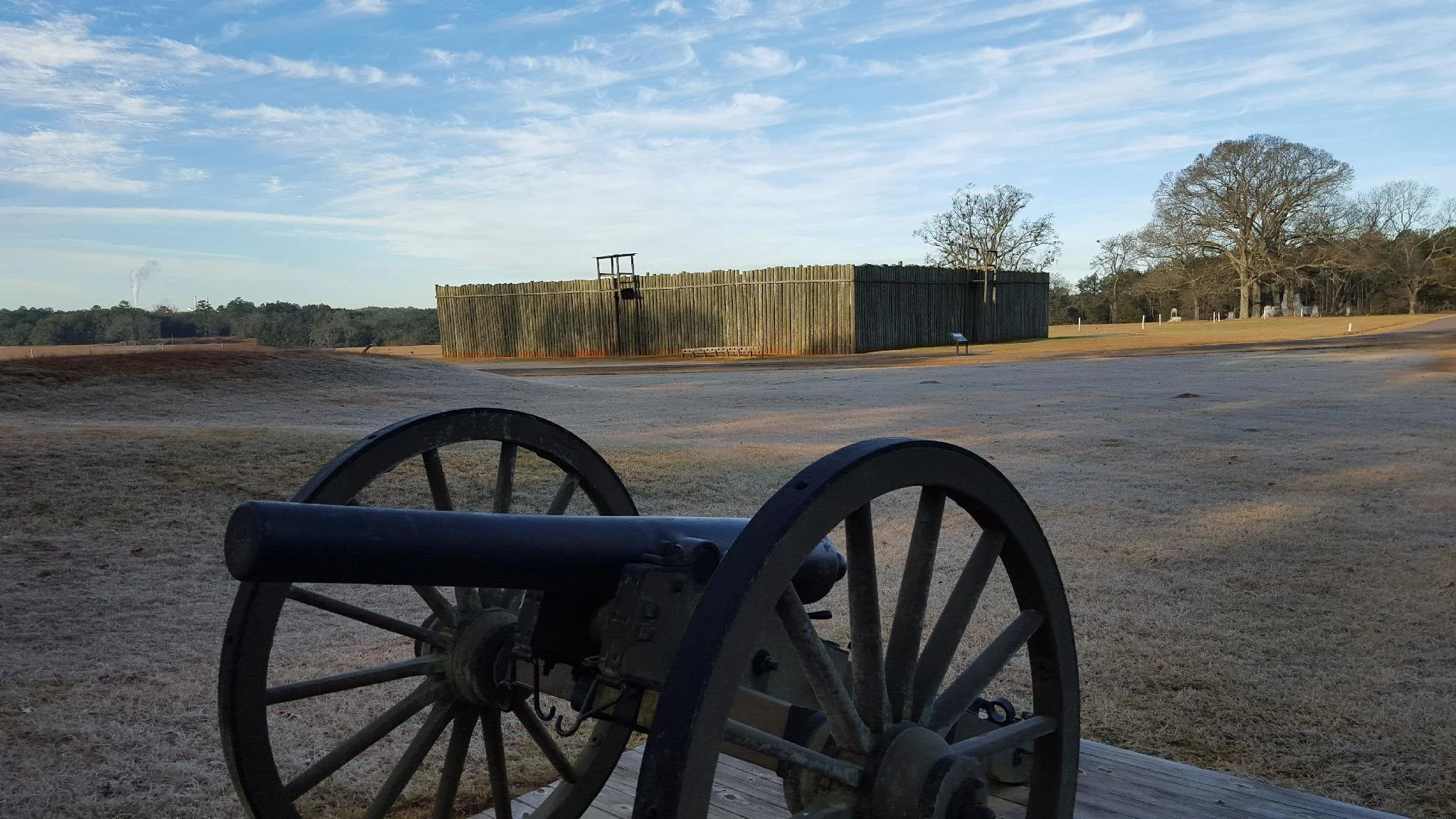
A cannon stands before a reconstructed section of the Andersonville stockade. This is a modern photograph of the historic site, not a wartime photograph. Credit: NPS Photo. No claim to original U.S. Government works. No institutional endorsement implied.
Keep Andersonville specific without losing the wider context
The NPS identifies Andersonville, also called Camp Sumter, as a Confederate prison where approximately 45,000 Union soldiers were held and nearly 13,000 died. Use those figures to establish scale, not as a competition among sites. The institution’s history includes overcrowding and problems with essential resources.
A comparison with another prison requires matched questions and evidence. Ask about shelter, water, food, crowding and decisions by authorities. Do not assume that acknowledging suffering in more than one institution means every condition, policy or responsibility was identical.
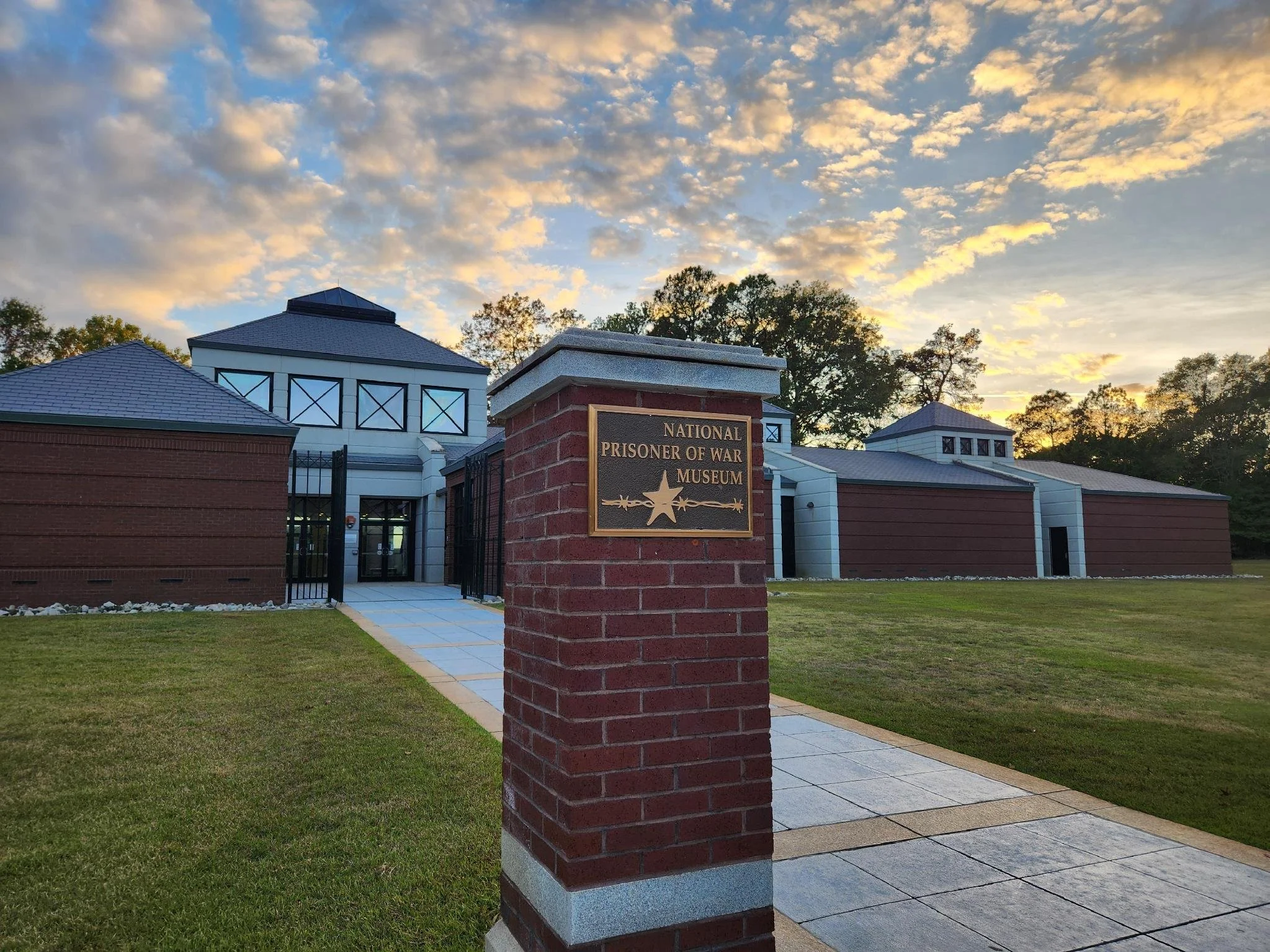
The National Prisoner of War Museum at Andersonville National Historic Site. The museum interprets American prisoner-of-war experiences beyond the Civil War. Credit: ANDE / Teri Surber. No claim to original U.S. Government works. No institutional endorsement implied.
Build an evidence record rather than a reenactment
Give students four headings: condition, evidence, effect and unanswered question. A statement such as “the prison was terrible” is a starting reaction, not a completed explanation. Prompt for a specific condition and the source supporting it. If the source offers a survivor’s account, identify the person, date and perspective.
Discuss responsibility with care. Students can ask what decisions and constraints the evidence documents without inventing motives or reducing deaths to a natural disaster beyond human influence. Where a source does not answer a question, record the gap and identify the kind of evidence that would help.
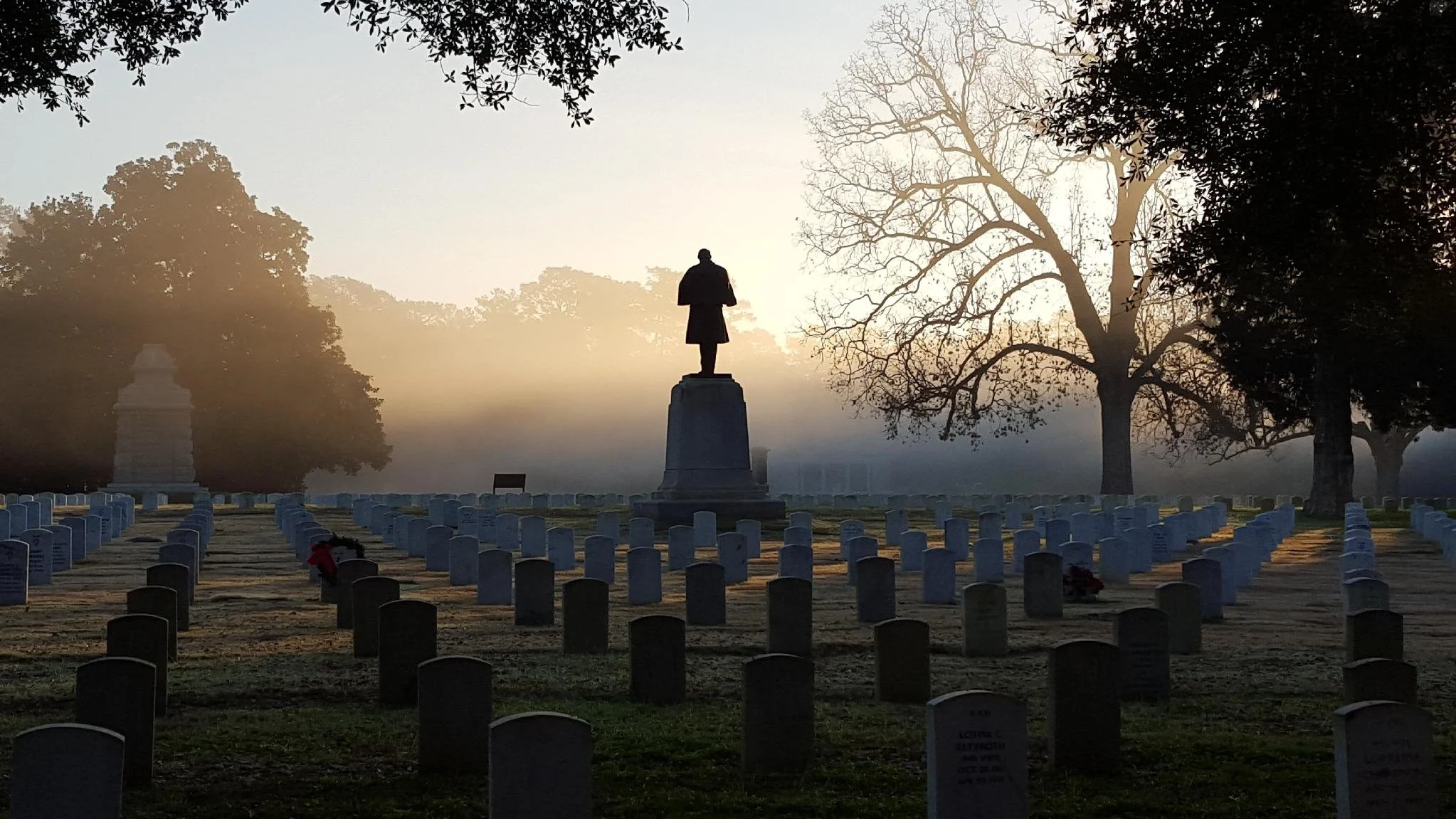
A modern view of Andersonville National Cemetery, with rows of headstones and a soldier monument. This is a place of remembrance, not an image of prison conditions in 1864. Credit: NPS Photo. No claim to original U.S. Government works. No institutional endorsement implied.
Use a short written conclusion
Ask students to explain one condition and its consequences, with a citation and a limitation. They can write in the third person. Do not require personal connections to imprisonment, illness or bereavement. A respectful evidence-based explanation is a meaningful outcome on its own.
Choose the broad prison-camps reading for context or the Andersonville reading for a focused study. If using both, set a distinct purpose for each so students are not simply repeating the same emotional response twice.
Civil War Prison Camps | Reading Comprehension Worksheet
View this HistoraEDU resource on TPT
Use for broader Civil War prisoner-of-war context, with a consistent set of comparison questions and non-graphic source selection.
Andersonville Prison | Civil War Reading Comprehension Worksheet
View this HistoraEDU resource on TPT
Use for a focused Andersonville inquiry, maintaining the distinction between the historical prison, the current site and later remembrance.
Sources and image credits
NPS Camp Sumter and Andersonville overview
NPS Andersonville history and culture
Image record andersonville-stockade-replica
Image record andersonville-museum
Image record andersonville-cemetery
Product thumbnails: HistoraEDU, reproduced from the exact current TPT listings at the owner’s request. Archival sources do not endorse HistoraEDU or its products. No claim to original U.S. Government works.
