
By HistoraEDU
A worksheet of house types and clothing pictures can become a matching game that teaches stereotypes. Students may assume one structure belongs to every community in a region or that a garment is simply a costume. Give them a better question: what decisions does this particular object or building help us investigate? Keep materials, use, identity and the limits of a photograph together.
Begin with an observation that does not pretend to explain everything
Show a photograph with its location and modern context. Ask students to describe what is visible before naming a function. A material or shape can prompt a question, but it cannot by itself establish a family’s daily routine or the meaning of a design.
Use a named community and period in every example. Regional labels can help organize a comparison, but they cannot replace those details. A community’s use of one building form in one period does not mean every member lived that way forever.
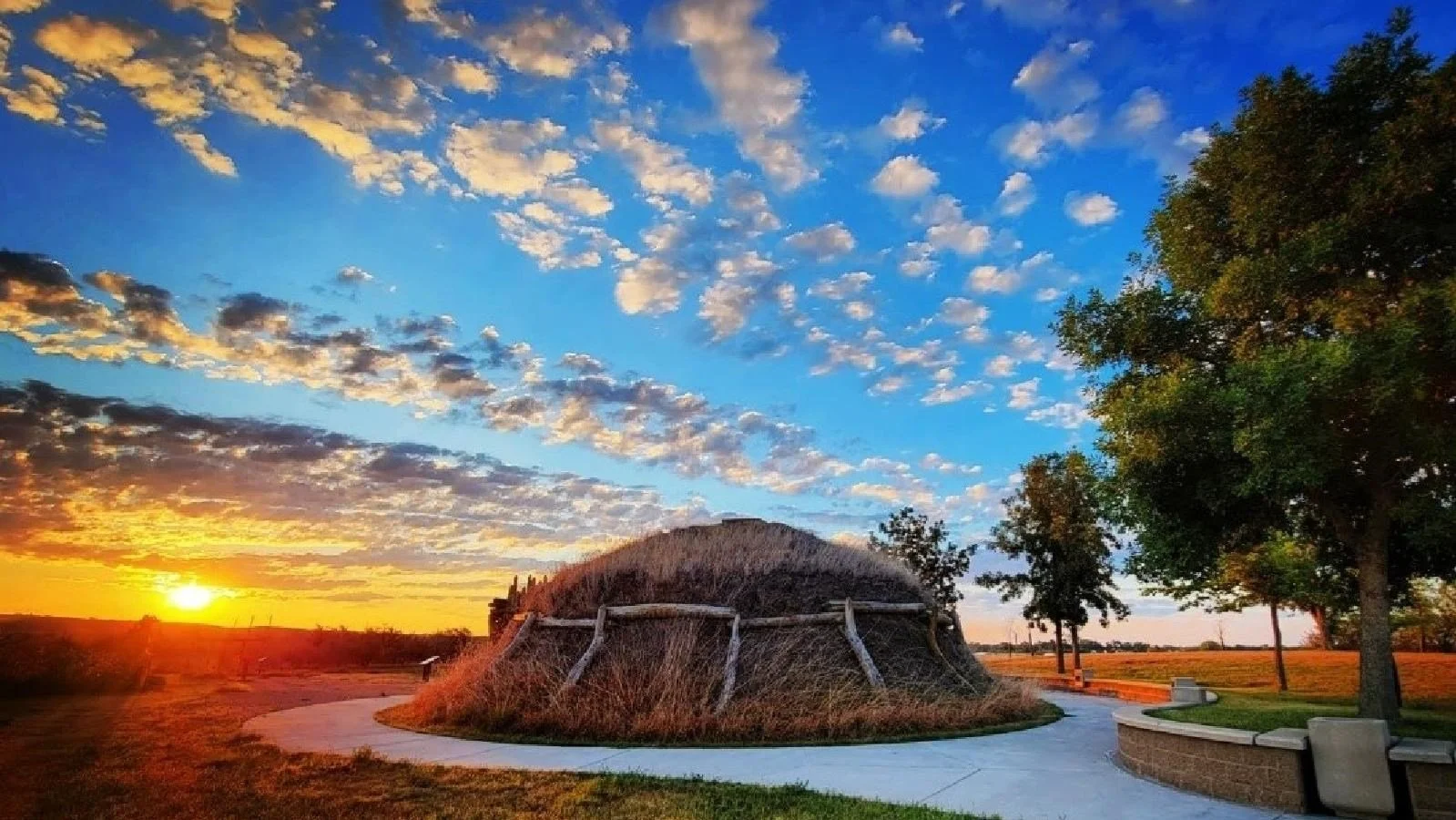
A modern reconstruction of a Hidatsa style earthlodge at Knife River Indian Villages. The image supports observation of the reconstructed exterior, not a claim about every Plains home. Credit: NPS Photo / Ashley Bargmann. No endorsement implied.
Separate environmental needs from social choices
Ask students which questions the lodge photograph raises about materials, space and movement. Then provide the park’s account to identify a function the photograph cannot prove on its own. Students should mark the difference between an observed feature and a source-supported interpretation.
Avoid a ranking from simple to advanced. A portable structure and a durable structure answer different needs. A useful comparison explains a decision in context rather than awarding a best-house label or assuming environment mechanically determined every cultural choice.
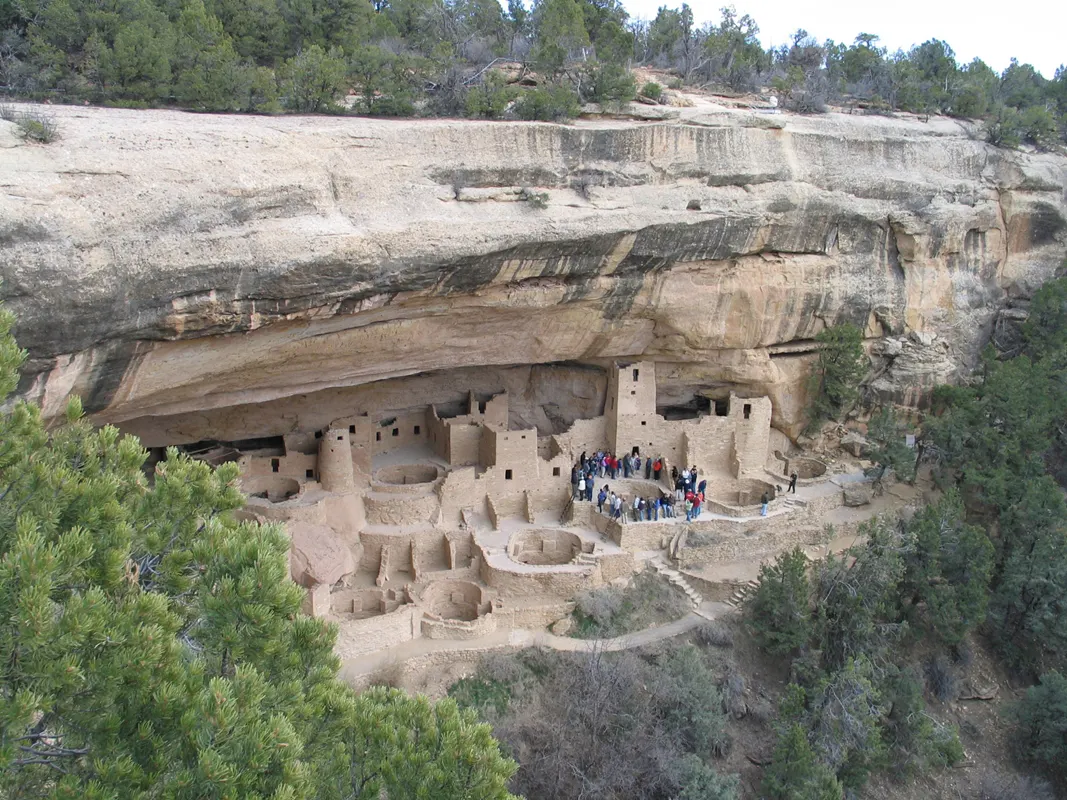
Modern photograph of Cliff Palace at Mesa Verde. The surviving architecture is an Ancestral Pueblo site; it is not an example of every Southwest home or a photograph of its earlier residents. Credit: NPS Photo. No endorsement implied.
Make the comparison narrow enough to be fair
Compare one question across the two examples, such as what evidence is available about materials. Do not ask students to compare an entire culture in three boxes. They can identify what the images show and then use the historical accounts to explain a limited difference.
End the comparison with a question the evidence does not settle. For instance, a photograph does not show how labor was organized during construction. This keeps an appealing visual from carrying more explanatory weight than it can bear.
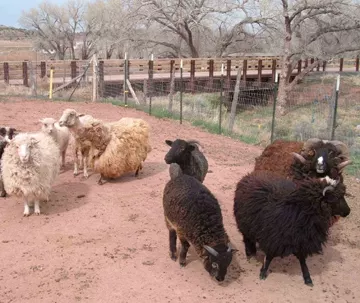
Navajo Churro sheep in a corral at Hubbell Trading Post National Historic Site. This modern photograph illustrates a material source discussed in textile history; it does not identify the maker or meaning of any garment. Credit: Photo/NPS. No endorsement implied.
Follow a material without copying a protected design
The sheep photograph provides an entry into wool, trade and changing materials. The NPS fiber-history account distinguishes Indigenous cotton weaving from later uses of introduced sheep wool. Have students trace one documented change rather than treating clothing as frozen before or after contact.
Move from material to questions about workmanship and identity. A photograph of a textile does not grant permission to reproduce a clan design. For a classroom design exercise, students can explain how an ordinary fabric sample meets a practical need without impersonating a people, making ceremonial regalia or copying culturally restricted motifs.
Use captions as the assessment
Give students an inadequate caption: “Native people wore this and lived here.” Ask them to repair its scope. A strong caption identifies the community and object when the source supports them, notes a reconstruction or modern photograph and states what remains unknown.
For a longer response, ask students to explain why home or clothing cannot be understood only as protection from weather. They should use a specific source-based example, not invent spiritual meanings from colors or shapes. Leave room for modern homes and clothing as part of continuing community life rather than treating change as a loss of authenticity.
Match the reading to the question
Use Homes for a bounded architectural comparison and Clothing for materials and cultural expression. Preview the selected terminology against a place-specific source. Keep the Homes activity to the named examples below rather than assigning its Arctic passage and mismatched sod-house glossary as a complete regional account.
Indigenous Homes and Environments Reading Comprehension Worksheet
View this HistoraEDU resource on TPT
Choose selected passages on the named Hidatsa and Ancestral Pueblo examples, then check them against the Knife River and Mesa Verde accounts. Leave the Arctic sod-house passage and its Great Plains vocabulary definition out of this comparison; they do not describe the same regional context. For the Hidatsa example, the NPS account describes a wooden framework covered with branches, grass and sod. Do not turn that construction description into a definition of every earth-covered home.
Indigenous Clothing Reading Comprehension | Culture and Environment
View this HistoraEDU resource on TPT
Reading for materials, technical work and cultural identity. Select a specific example, verify its period and avoid assuming public display permits copying a clan or ceremonial design. No full garment-history or answer-key audit is claimed.
Sources and image credits
Knife River earthlodge interpretation
Mesa Verde architecture context
NPS New Mexico fiber arts history
Sealaska Heritage intellectual-property resources
Image record hidatsa-earthlodge
Product thumbnails: HistoraEDU, reproduced from the exact current TPT listings at the owner’s request. Archival sources do not endorse HistoraEDU or its products. No claim to original U.S. Government works.
