
Ideas for thoughtful teaching & learning.
Practical approaches, considered tools and useful resources for the learning you design.
Looking for history resources? Visit HistoraEDU →
The Berlin Blockade Was Not the Berlin Wall
Help students distinguish the Berlin Blockade from the Berlin Wall by comparing dates, restricted movement and dated historical photographs.

Audit the Time Budget in a Training Assessment
Separate reasoning, reading and interface overhead with an original assessment timing log, decision record and warning prototype.

Calibrate a Rubric with Three Anchor Responses Before Grading
Use three fictional anchor responses to expose a rubric disagreement, clarify one descriptor boundary and record the rule before a full marking run.
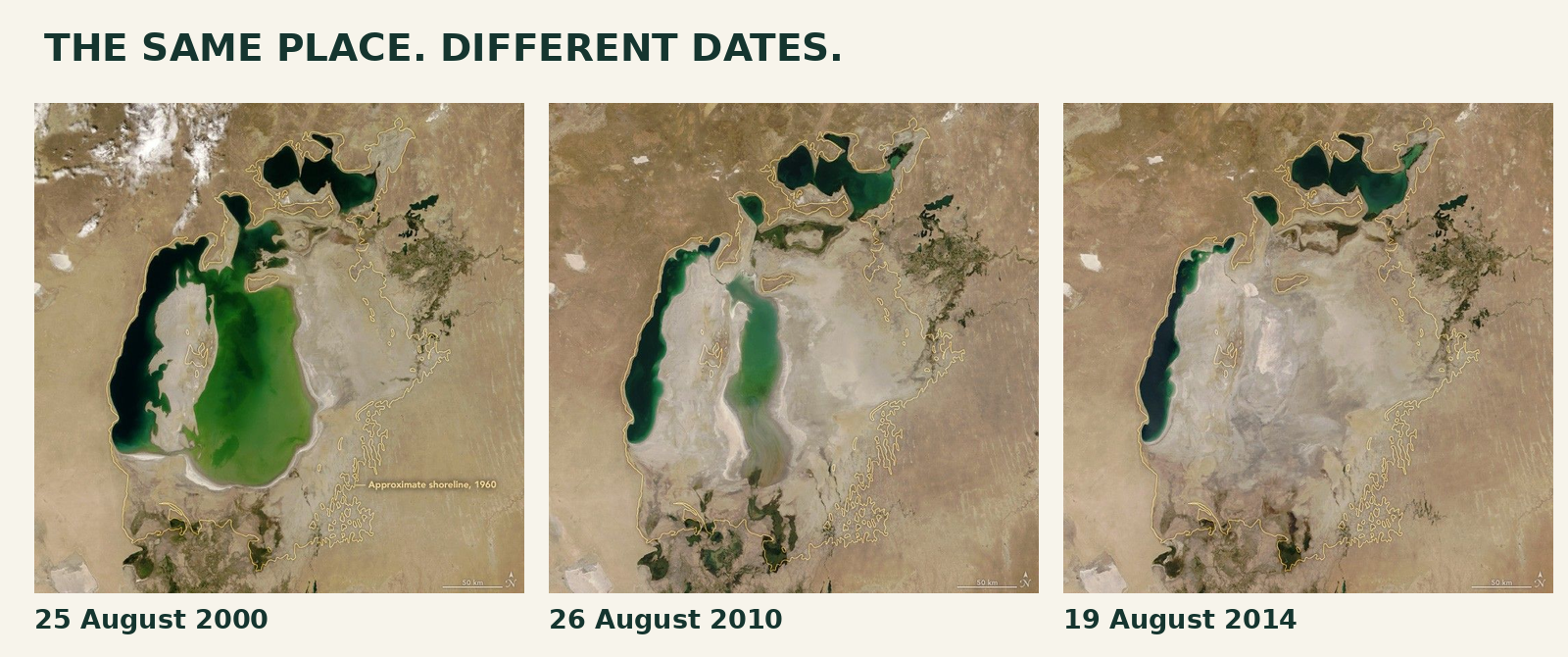
NASA’s Aral Sea Sequence: A Before-and-After Image Is Not a Causal Explanation
Compare NASA’s Aral Sea endpoints and an intervening rebound. Keep visible change, acquisition dates and causal explanation in separate evidence fields.

Teach government purposes before asking students to memorize documents
Connect government purposes to the Articles, Constitution and civic participation through concrete problems, historical sources and targeted reading choices.

Design an Open-Resource Assessment That Tests Use, Not Search Luck
Build an open-resource planning assessment with a two-page fictional reference pack, clear assistance rules and a worked answer that uses every constraint.
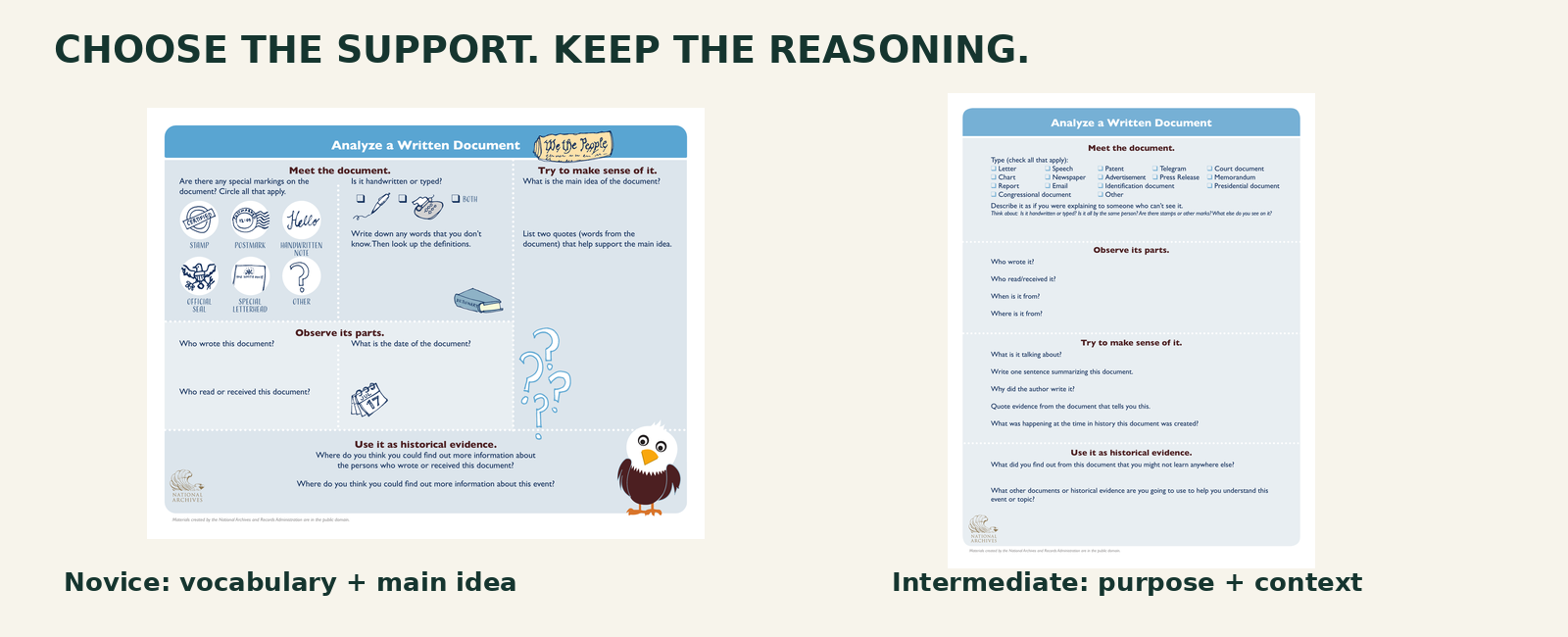
National Archives Analysis Sheets: When to Use the Form—and When to Put It Away
Compare NARA’s novice and intermediate document forms, then plan when learners will reason without the worksheet while keeping necessary access supports.
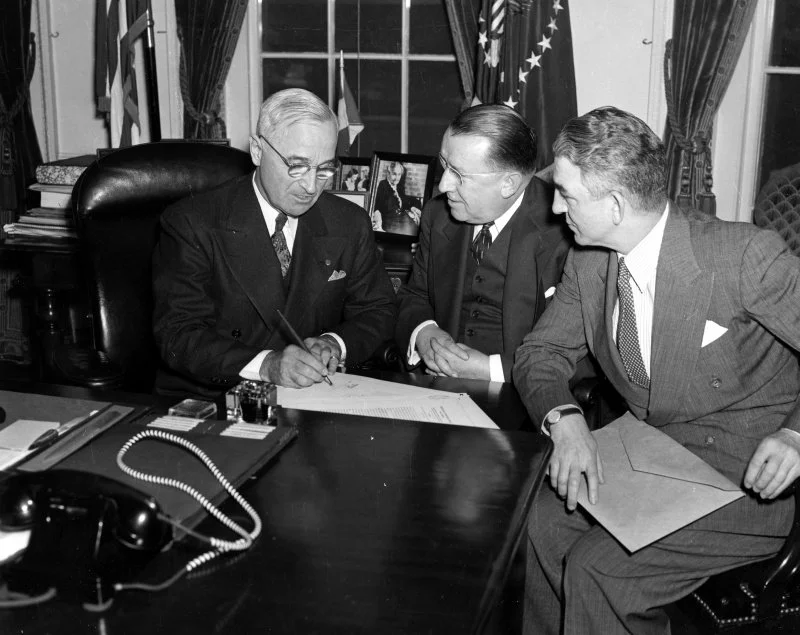
Turn the lawmaking sequence into a decision problem
Make federal lawmaking a sequence of reasoned decisions with a classroom proposal, authentic historical sources and clear distinctions between passage, veto and signature.
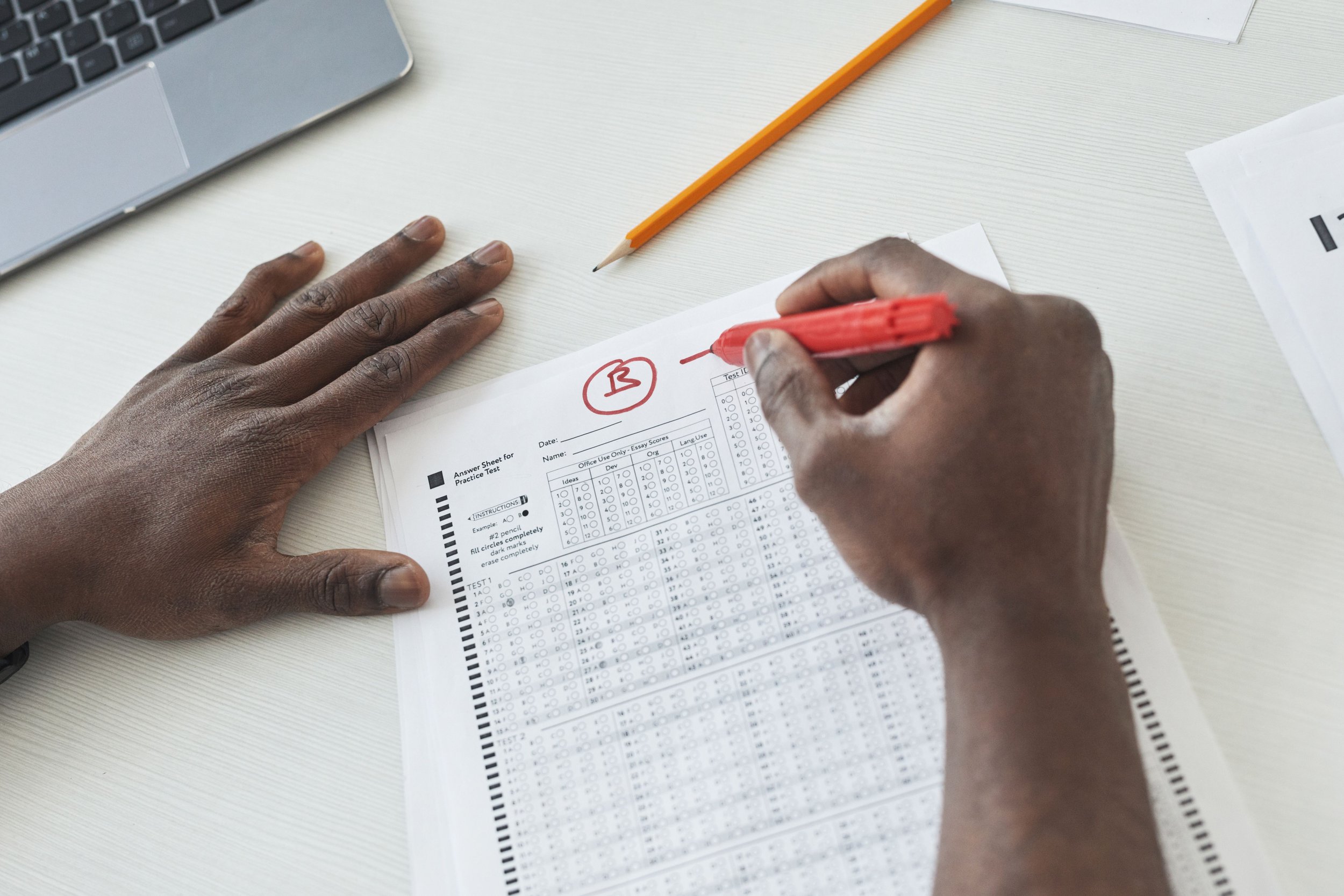
Remove Accidental Clues from Multiple-Choice Questions
Audit five original before-and-after questions for wording, grammar, length and implausible options—without changing the knowledge you intend to assess.
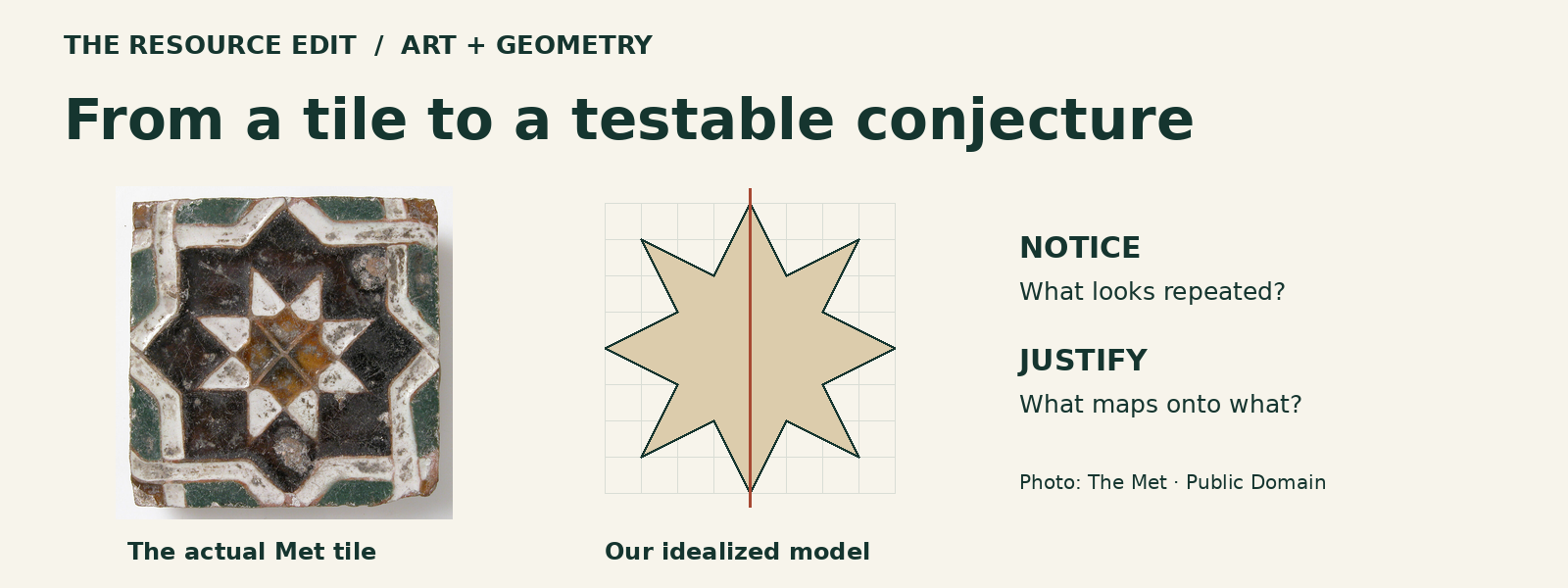
A Museum Tile Is Not a Geometry Proof: Use the Met Image as a Starting Point
Use a genuine Met tile image to prompt a conjecture, then justify reflection symmetry in an explicit coordinate model—not from the photograph.
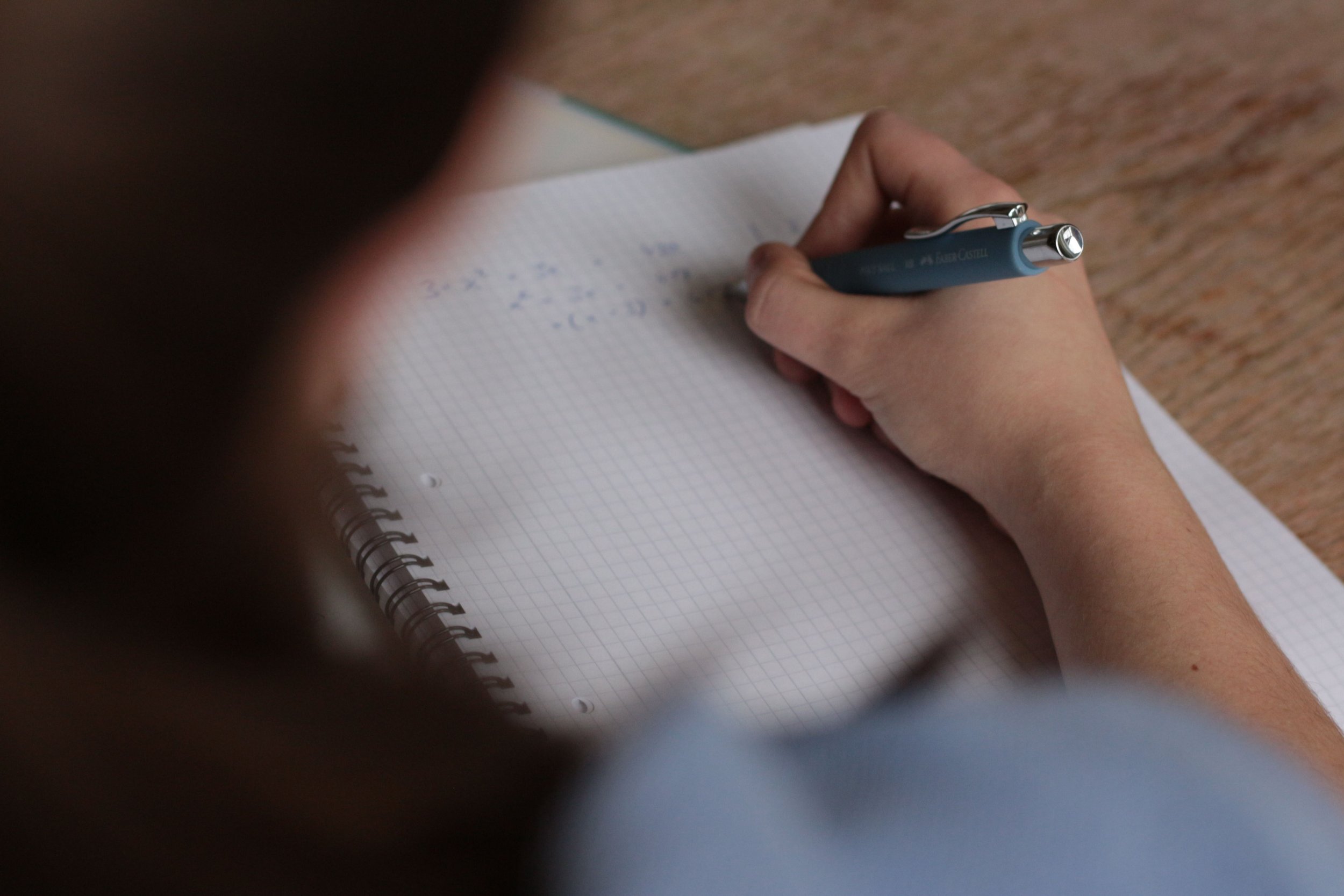
Interleaved Math Practice: Choosing a Method Is Part of the Problem
A mixed assignment can ask students to choose a method before calculating. Use an original six-problem review while preserving the classroom study’s limits.

Stop mixing up branches and levels of government
Help students distinguish branches from levels of government using a two-axis sort, a veto example, archival photographs and focused civics resources.

Preparing to Teach Is Not the Same as Learning by Teaching
Separate preparing, explaining and responding in peer-teaching tasks. A research boundary and an original map-legend example make the distinction practical.
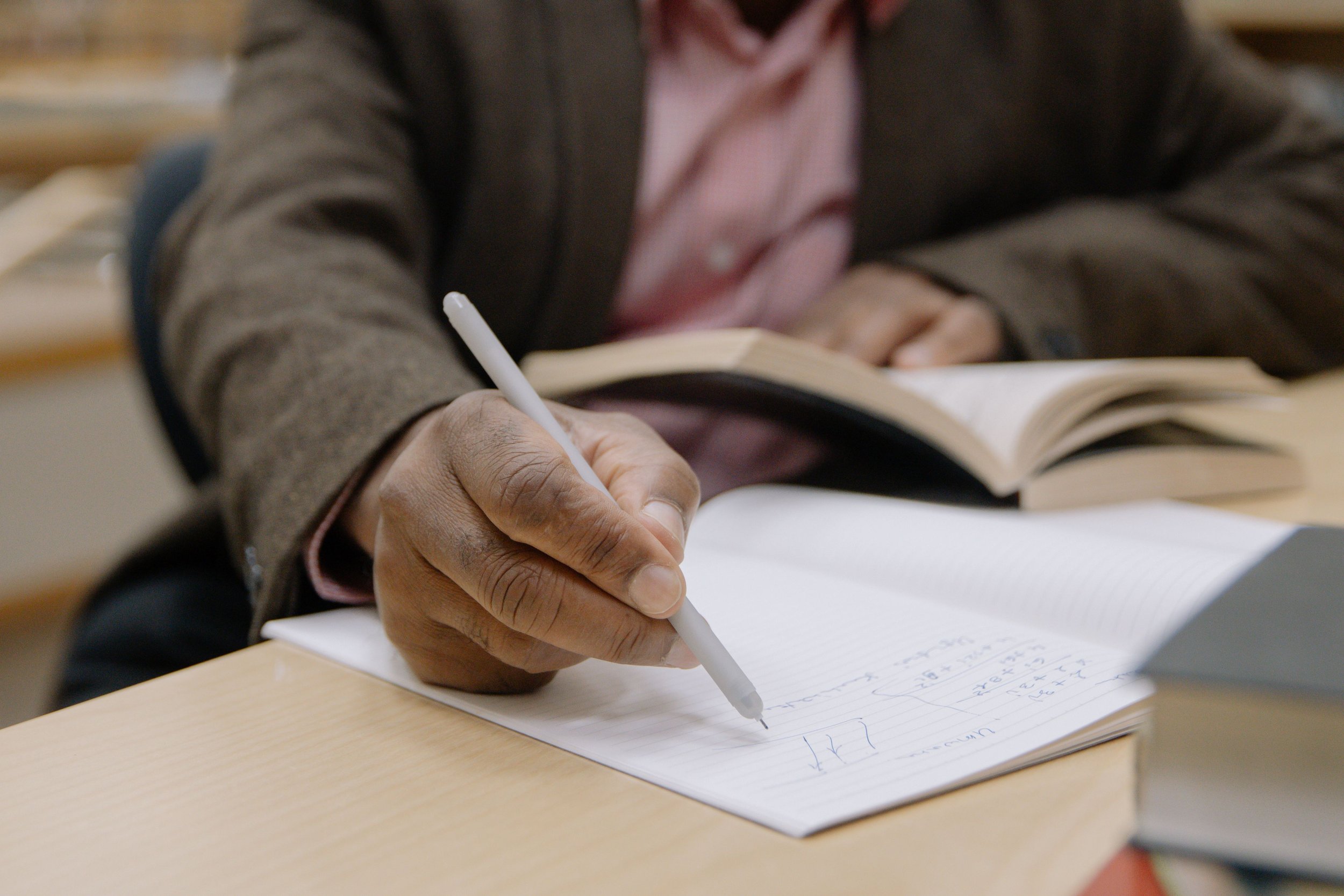
Self-Explanation Is More Than Putting a Paragraph in Your Own Words
A longer answer is not necessarily a better explanation. Distinguish restatement, inference and uncertainty with an original fictional reading example.

A Heading Audit for a Learning Page That Looks Organized
Audit a learning page’s headings with a worked booking example. Improve section labels, apply heading levels and check the saved page structure.
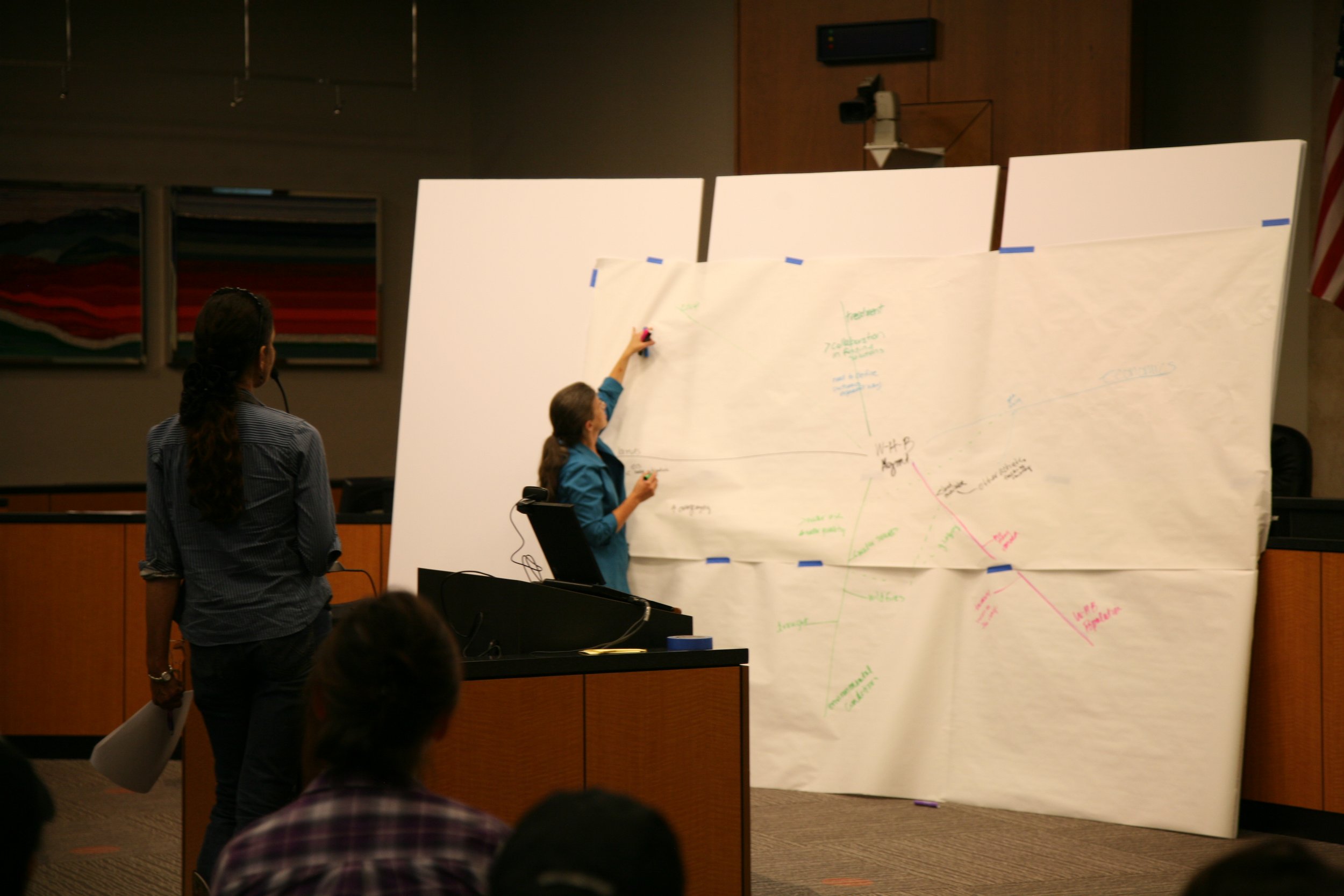
Turn a Workshop Brainstorm into a Transparent Options-Ranking Exercise
Use a four-stage workshop run sheet, private ranking ballot and worked tally to make a recommendation without losing minority concerns.
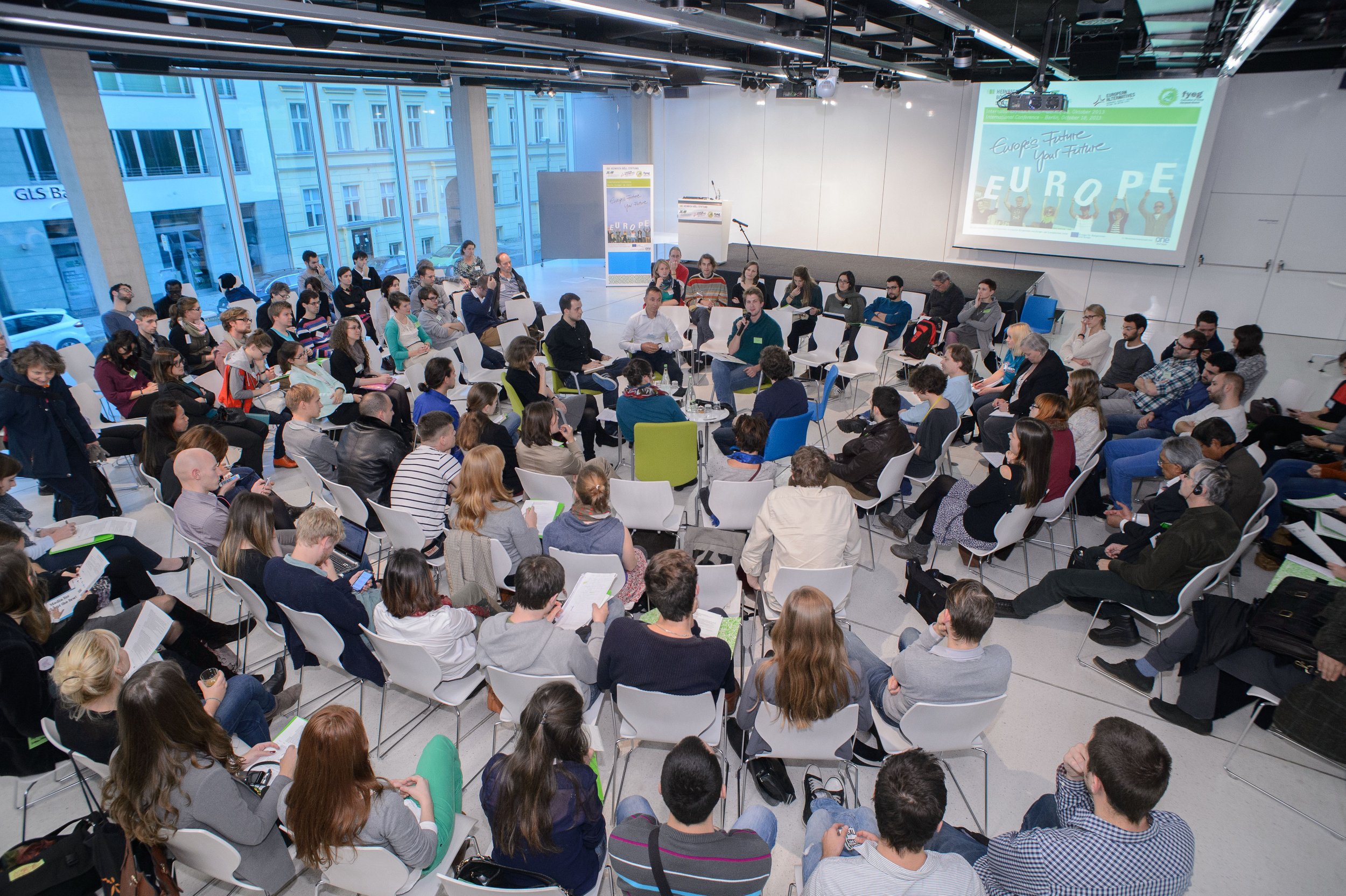
Give Fishbowl Observers a Job Other Than Watching
Give fishbowl observers a claim, evidence or connection lens, then rotate roles and use a worked observation record to improve the discussion.
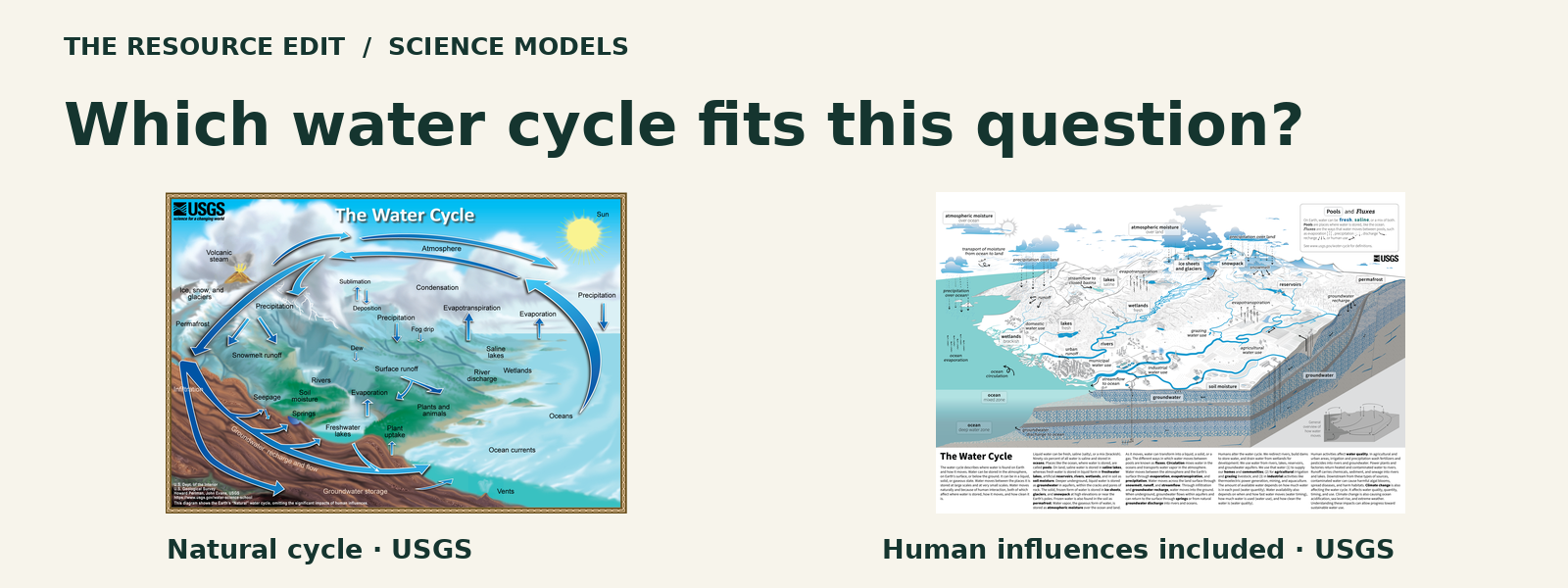
USGS Water Cycle Diagrams: Choose the Model That Includes the Question
Compare two genuine USGS water-cycle diagrams, then use a selection rubric and pathway sheet to explain storage, movement and human water use.
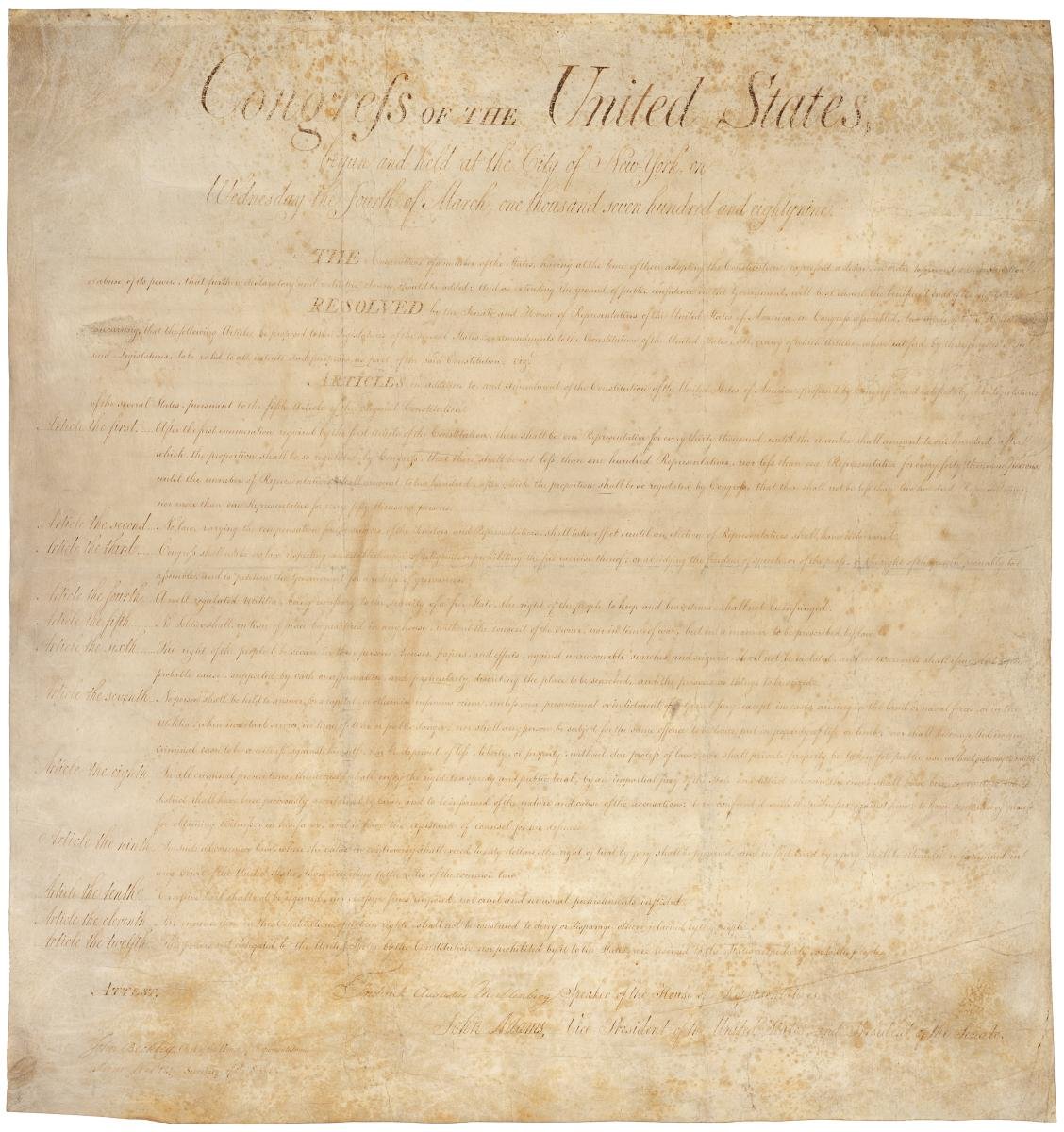
Make the Bill of Rights stick through reasoning rather than recall
Help students explain Bill of Rights claims using constitutional text, government action, relevant facts and carefully qualified classroom scenarios.

Replace ‘Reply to Two Peers’ with a Compare-and-Revise Discussion
Design a three-stage online discussion with a worked scheduling case, substantive peer comparison and a visible revision or defense.