
Ideas for thoughtful teaching & learning.
Practical approaches, considered tools and useful resources for the learning you design.
Looking for history resources? Visit HistoraEDU →
Help students connect 1950s prosperity with Cold War fear
Use archival photographs and focused source questions to help students connect 1950s consumer culture, unequal opportunity and Cold War anxieties.
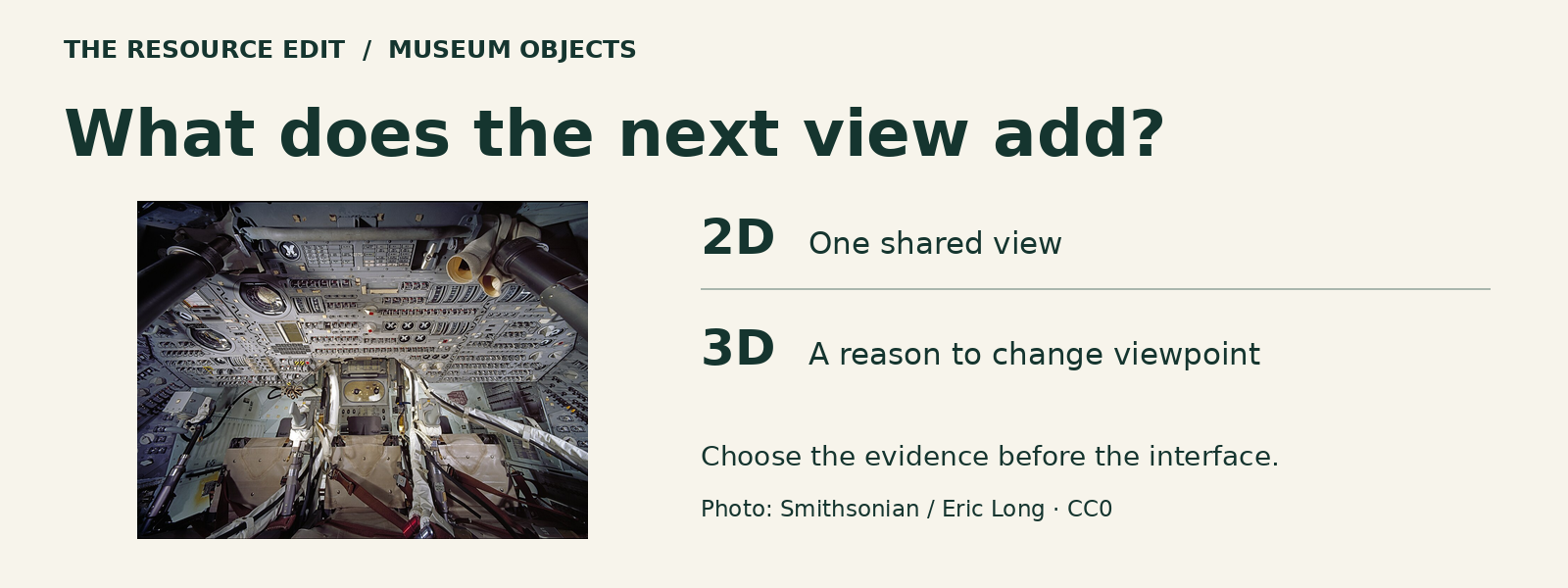
Smithsonian Open Access: Does a 3D Object Answer More Than a Photograph?
Use Apollo 11’s cabin photograph and a 2D-versus-3D selection card to decide when a new viewpoint adds evidence and when another source is needed.

Plan a Seminar Question Sequence That Builds an Argument
Plan six connected seminar questions, test a fictional library redesign, and guide students from evidence to counterargument and a qualified conclusion.
Library of Congress Photos: Separate What Students See from What the Caption Says
Use a specific Migrant Mother print and a three-column source card to separate visible evidence, catalog context and questions that need another source.
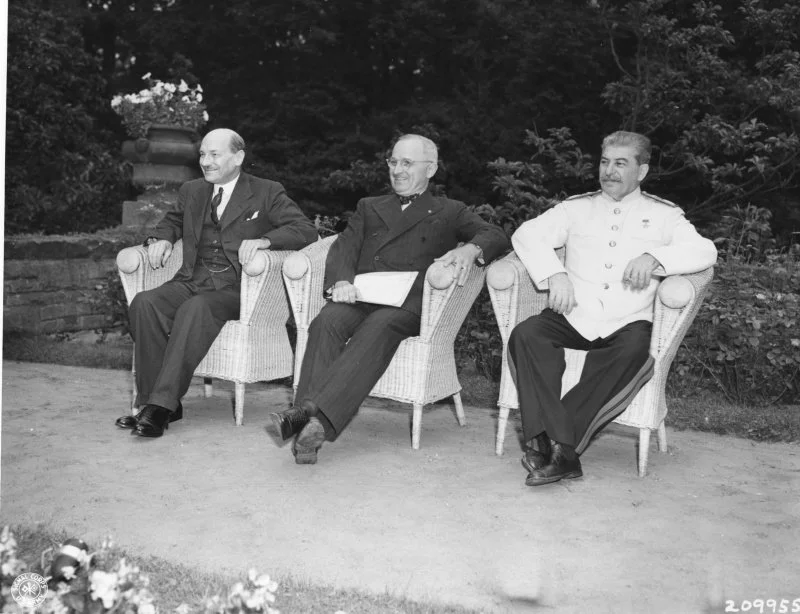
Teach the Cold War without turning ideologies into a vocabulary list
Help students connect Cold War beliefs, concerns and policy choices through archival photographs, evidence chains and carefully chosen reading activities.

Dialogic Teaching Is a Supported Practice, Not a Set of Discussion Stems
Read Dialogic Teaching as a supported programme, not a prompt sheet. Examine the original trial, later follow-up and a practical school review cycle.

Should You Show the Class Vote Before Students Discuss? The Evidence on Majority Cues
Showing a popular answer adds a social cue. Use the polling research to choose when to reveal results and preserve a useful record of reasoning.
Can Two Wrong Answers Produce a Better Explanation? What Peer-Instruction Research Actually Tested
A better revote is not the same as independent understanding. Read the peer-instruction evidence, then try an original paired-question example.

Run a Follow-Up Check That Separates Recall from Workplace Use
Ask separate follow-up questions about remembering the rule and using it at work.

AI Books for Educators: Which Teach Judgment, Not Just Prompts?
A useful AI book helps educators decide what to delegate, what to verify and what learning must remain visible—not merely collect more prompts.

Who Gets Excluded When Learning Depends on Personal Devices?
Owning a phone does not guarantee a usable route through a learning task. Audit the whole activity, including the people who need another way to participate.

Build a Manager Observation Guide for the First Real Attempt
Give the manager a short observation guide that records what the employee did, what support was available and what should happen on the next attempt.

Teach the Space Race by Separating Achievement from Claims About Power
Help students connect Sputnik, Katherine Johnson, and Apollo 11 to Cold War rivalry while judging what photographs and mission records can actually prove.
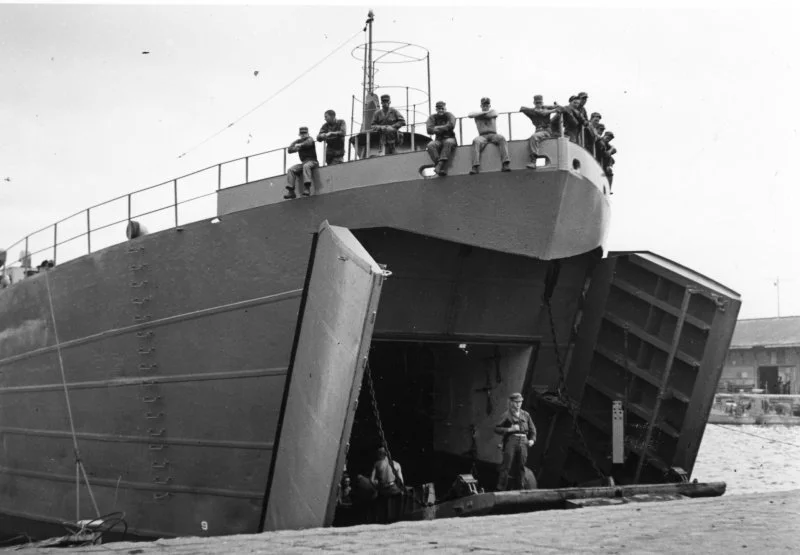
Teach the Korean War by Asking What Containment Could Achieve
Move beyond a simple victory-or-defeat question. Help students evaluate military containment through a clear sequence, careful photo analysis, and the armistice.

Teach the Berlin Airlift Through the Problem of Supplying a City
Help students explain why the Berlin Airlift mattered by following the supply problem, reading photographs carefully, and testing a claim about containment.

Books for Judging Learning Claims Before Buying Another Resource
Choose a research-literacy book by the judgment you need to make: screening a specific claim or understanding the learning concepts behind it.

Interactivity Can Hide Weak Instruction
A screen can respond to every click while asking very little of the learner. Build the interaction around a consequential decision, its rationale and the next attempt.

Create a Performance Task Before Building the Course
Write the performance task before choosing the course content.
Learning-Transfer Books That Give Managers Something Useful to Do
Buy a transfer book only after identifying the action, practice opportunity and support a manager can realistically provide.
Backward Design: Align the Goal, the Evidence, and the Learning Task
An enjoyable activity can still miss its intended understanding. Start with what learners should be able to explain, then plan evidence and preparation that match.