
A class can agree on an answer without showing why it is right. For a science teacher deciding what to do after peer discussion, the useful distinction is between a changed vote and reasoning a learner can use independently. Plan the next question before treating the second vote as the end of the lesson.
What the study actually measured
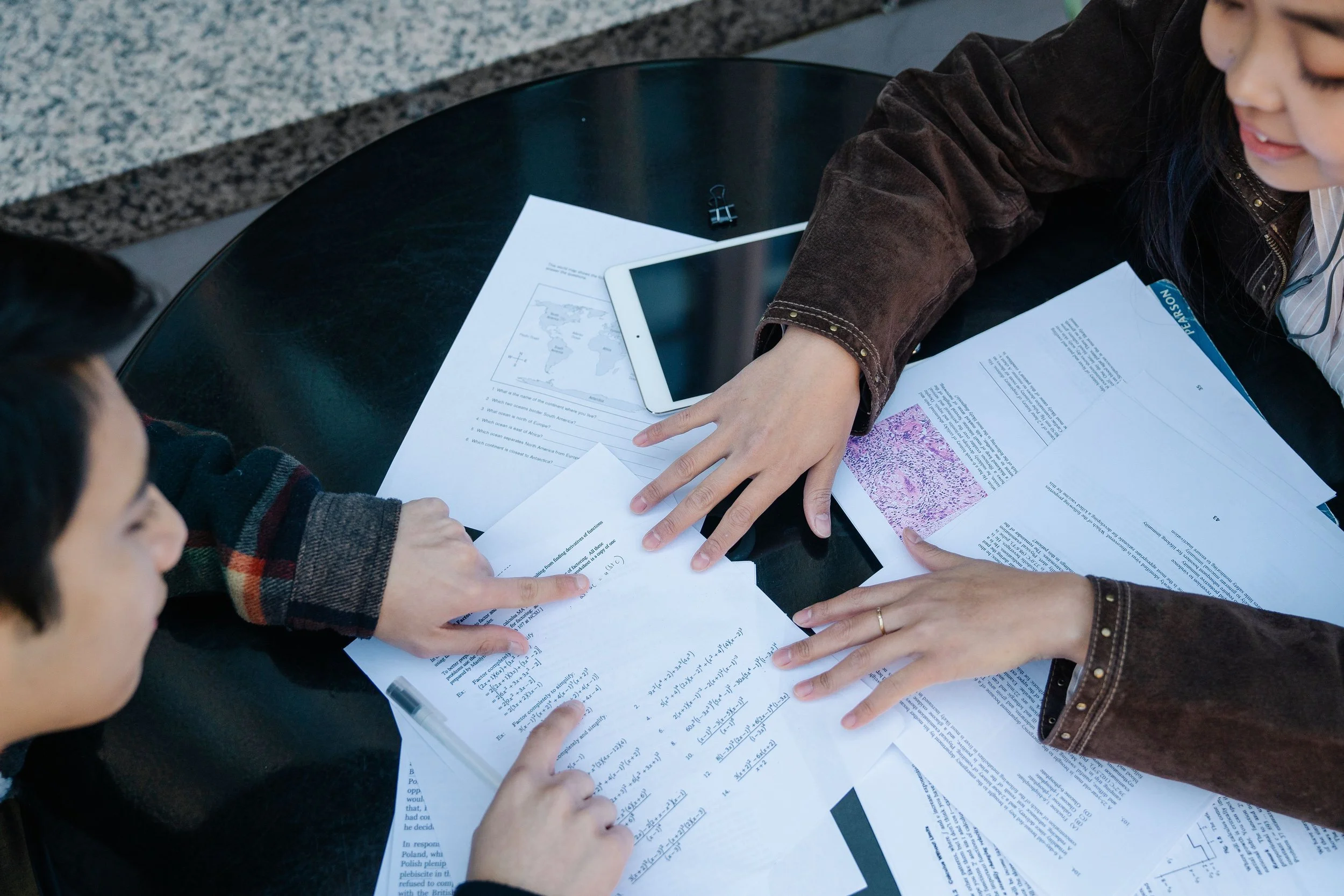
In a 2009 undergraduate genetics study, Smith and colleagues used 16 pairs of questions with 350 participating students. Students answered a first question alone, discussed it and voted again, then answered a different question on the same concept alone. Correct answers and class response displays were withheld until that final response. Performance on the new question supported learning beyond simply adopting a neighbor’s answer. The authors also used statistical analysis to infer that some successful responses came from groups without an initially correct member. That is not the same as observing every conversation or demonstrating that any two wrong answers will combine into a right one. [1]
The scope matters: these were immediate, closely related questions in one undergraduate subject. The study did not directly compare peer discussion with instructor explanation, establish lasting retention, or test transfer to unrelated settings. Its title is not a license to leave confused groups without later explanation.
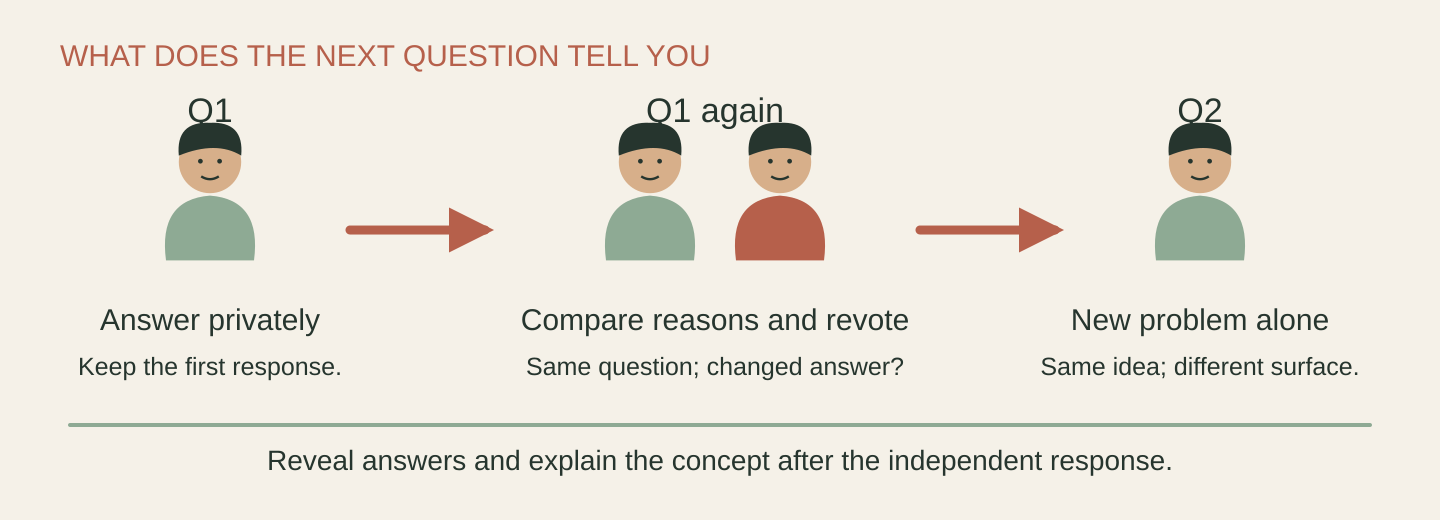
Figure 1. Keep the new individual problem distinct from the repeated vote. The middle phase includes discussion and a revote on the first question.
Choose the claim before collecting the answer
Suppose a teacher wants to say that discussion helped learners identify an interaction between two bodies. A correct answer letter alone is a thin record for that claim. Ask learners to name the two bodies and describe the force each exerts on the other. A short written explanation makes it possible to notice whether the learner is applying the relationship or repeating a phrase.
Keep three records separate: the private first response, the response after discussion and the response to the new problem. Do not replace the first entry with the final one. The sequence can show a productive change, a persistent difficulty or a correct choice paired with an incomplete reason. Each calls for a different teaching response.
This is a practical design suggestion, not an additional outcome reported by Smith and colleagues. It adds an explanation prompt to make a local classroom decision easier to inspect.
An original fictional question pair
The following pair is an original teaching example, not an item from the study or a validated assessment. It assumes students have already met Newton’s third law. Use it to examine question design; check the wording with learners before using the responses for consequential decisions.
First question
Two students on low-friction skates press their palms together and push apart. Rowan has greater mass than Eli. During the push, compare the force Rowan exerts on Eli with the force Eli exerts on Rowan.
A. Rowan exerts the larger force.
B. The forces are equal in size and opposite in direction.
C. Eli exerts the larger force.
D. Only the student who starts pushing exerts a force.
Ask each learner to select an option privately and finish: “The two bodies in this interaction are …” Do not ask them to perform the skating action. This is a written thought experiment.
Discussion prompt
Compare reasons, not just letters. Which body experiences each force? Does either person’s larger mass tell you that the interaction forces must be unequal? Ask partners to point to the part of the question their explanation accounts for. Then collect a second private choice on the same item.
New individual question
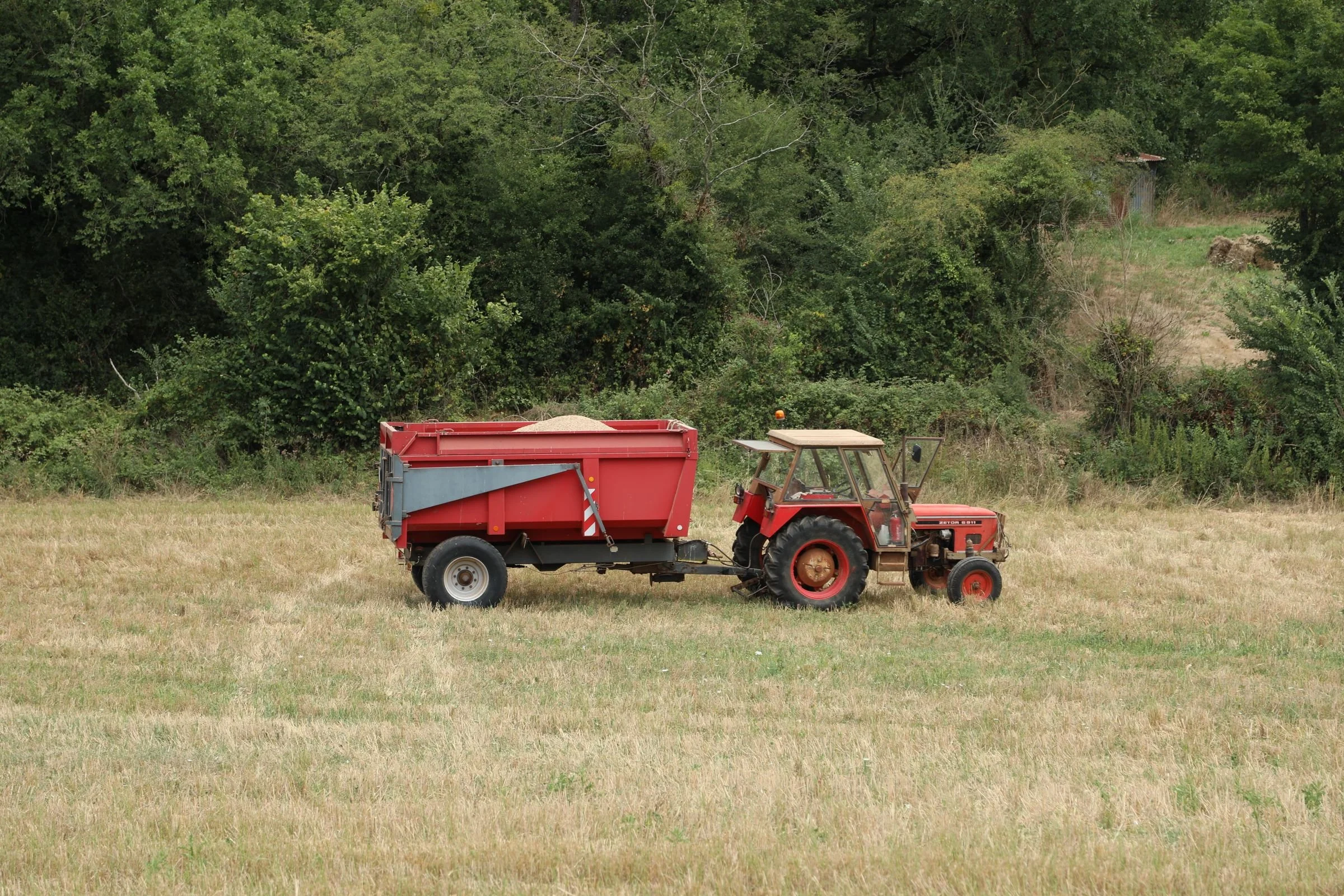
A tractor pulls a small equipment cart along a level path through a rigid hitch. Compare the force the tractor exerts on the cart with the force the cart exerts on the tractor at the hitch.
A. The cart exerts no force because it has no engine.
B. The tractor exerts the larger force because it provides the motion.
C. The forces are equal in size and opposite in direction.
D. The cart exerts the larger force because it resists moving.
Answer alone, then name the body on which each force acts. Explain why the presence of an engine does or does not settle this comparison. The correct letter has changed from B to C; the relationship has not.
Explanation after the independent response
In each case, the two forces are an interaction pair: equal in magnitude, opposite in direction and acting on different bodies. They are not two forces on one body that cancel its net force. Different masses or other forces can produce different accelerations without making this interaction pair unequal. NASA Glenn’s account of Newton’s third law provides the physics reference for this example. [2]
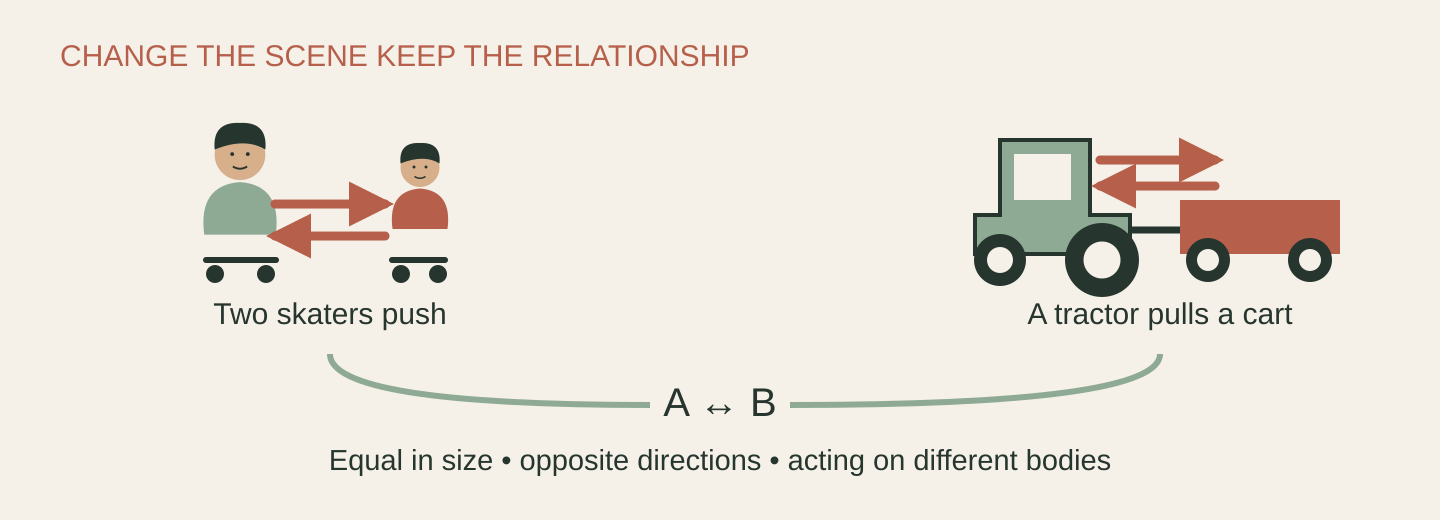
Figure 3. Skaters and a tractor with a cart share the same interaction relationship. Arrows are schematic force-pair cues, not a scale drawing or a model of every force present.
Read the pattern without overstating it
If a learner changes to the correct first answer but chooses “the tractor exerts the larger force” on the second item, ask what changed between the two situations. The learner may be treating visible effort or an engine as evidence of a stronger interaction force. That is a more useful next conversation than asking why the learner forgot the right letter.
If both choices are correct but the explanation says the forces cancel on the tractor, revisit which body each force acts on. A successful choice does not settle the quality of the explanation. If the learner names the bodies and explains the relationship in both cases, that is a reason to try another application later—not to declare the concept permanently mastered.
If many learners struggle with the new question, first inspect its wording. A hitch, “at the same time,” or a new diagram may introduce an unintended reading demand. A fresh question must change the surface without quietly changing the idea being assessed. A harder second item and a matched second item are not interchangeable.
Make the next question part of the plan
Before your next peer-discussion activity, write the sentence you want learners to be able to explain. Draft a second problem that needs that same relationship but changes the setting, answer position or representation. Check that it does not depend on extra content you have not taught. Decide what explanation you will give after collecting it, and keep uncertainty visible in your notes.
Before treating a revote as learning evidence, sketch a fresh individual question that probes the same idea. Use the first attempt to improve both the teaching and the question, rather than to manufacture a success story.
