
Ideas for thoughtful teaching & learning.
Practical approaches, considered tools and useful resources for the learning you design.
Looking for history resources? Visit HistoraEDU →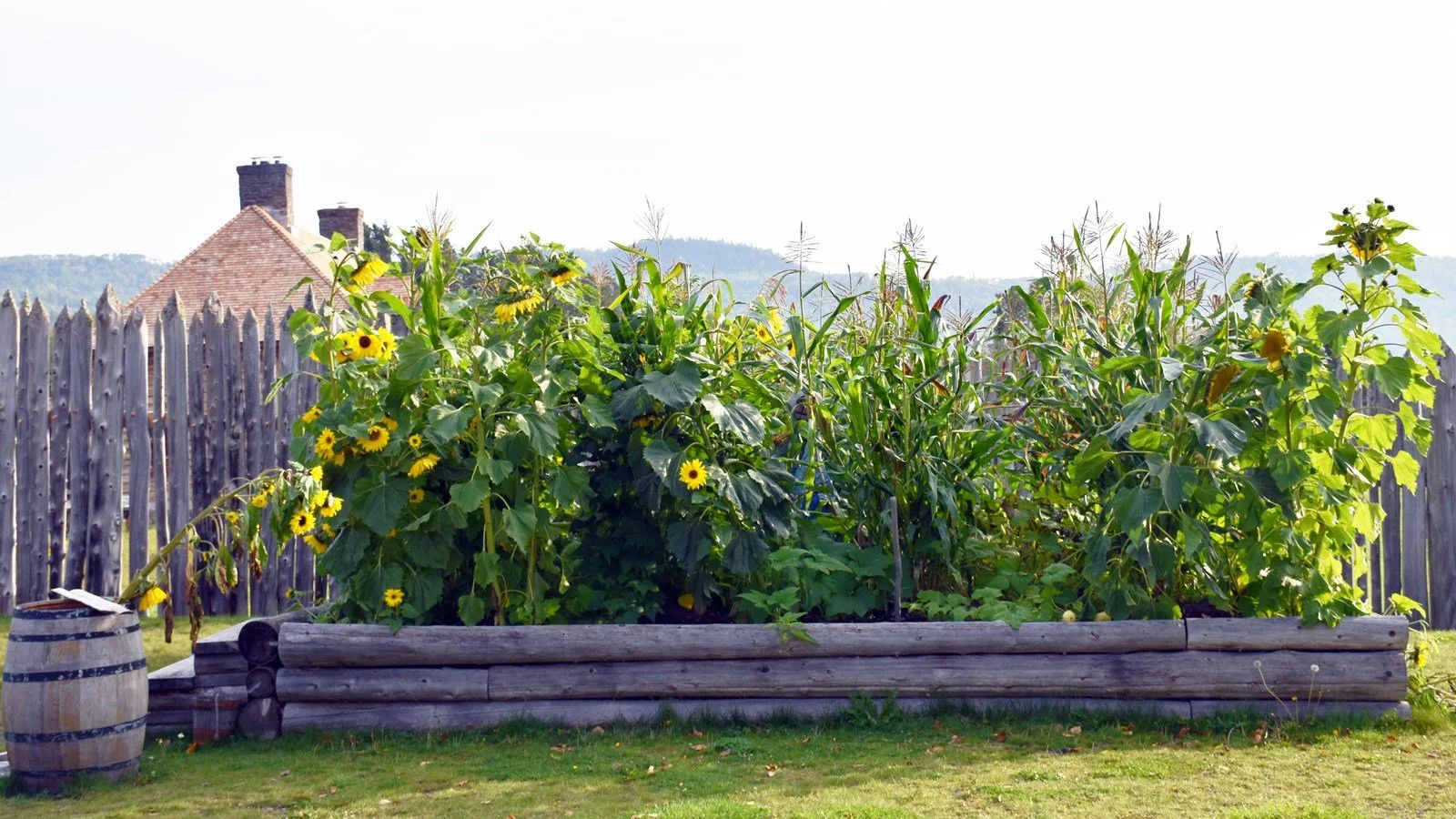
Teach Indigenous food systems as knowledge and decisions rather than a list of foods
Move beyond crop lists with named communities, historical food decisions and careful source comparisons. Teach growing, storage and exchange without universal claims.

Help students read earthworks without turning distinct societies into one mound builder culture
Help students distinguish Adena, Hopewell, Mississippian and Cahokia contexts through specific earthworks, careful source dates and evidence-based comparisons.
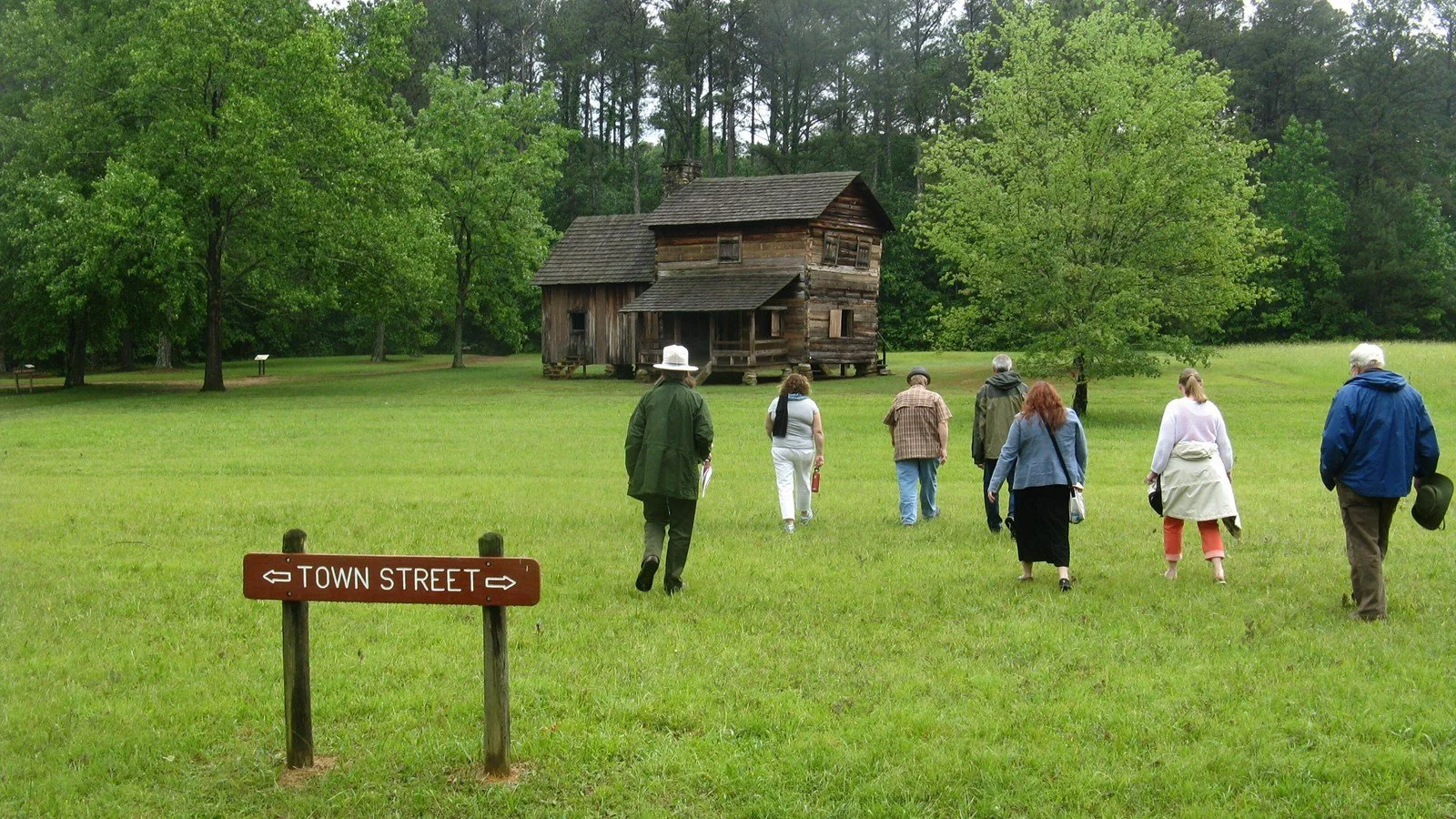
Teach Southeastern sovereignty without ending the story at removal
Teach Cherokee, Muscogee and Seminole histories through specific institutions, documented removal experiences and continuing nation-specific sources.
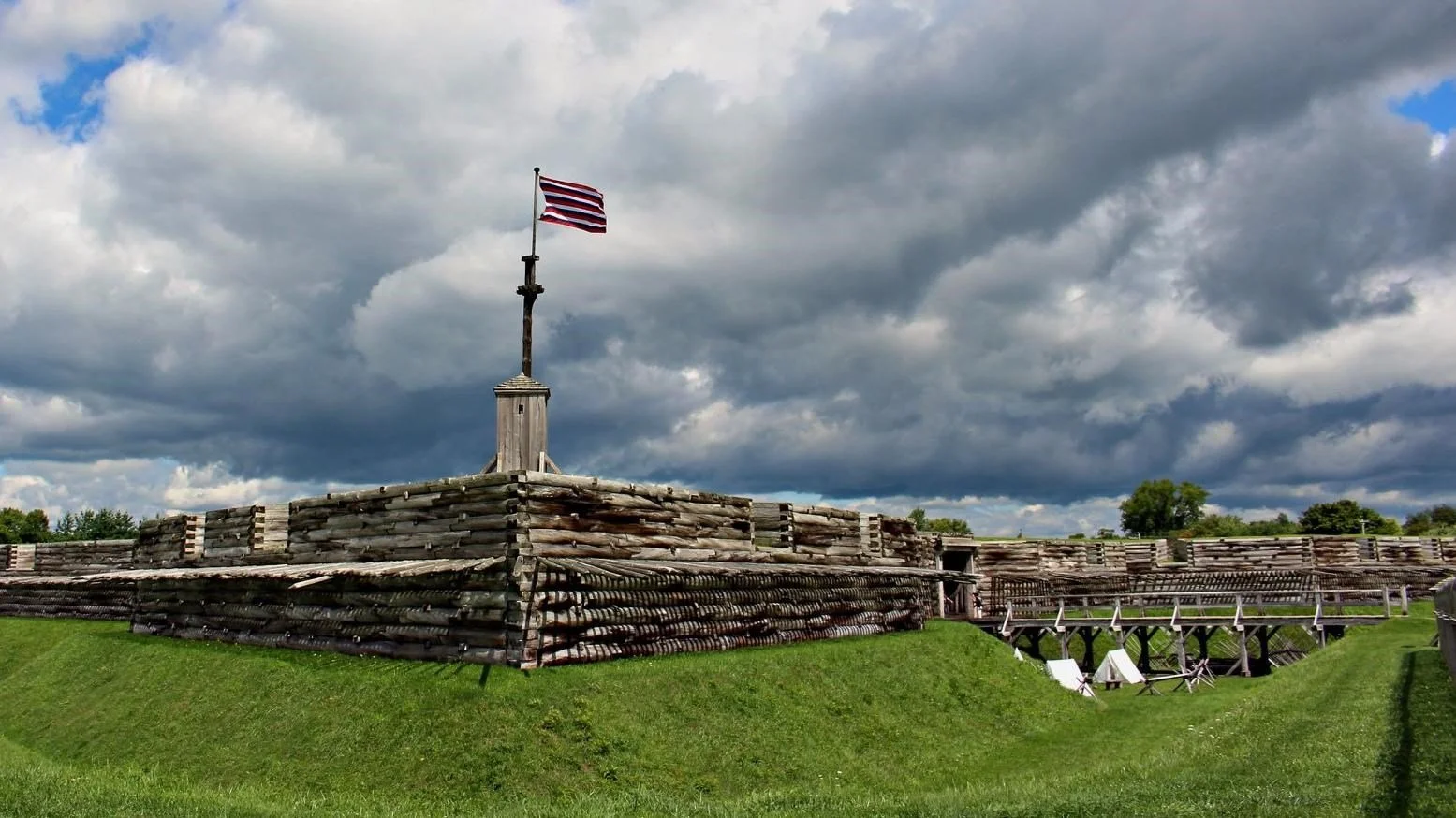
Help students distinguish language families nations and confederacies
Help students distinguish a language family, a nation and a confederacy through named parties, dated treaties and specific accounts of political authority.
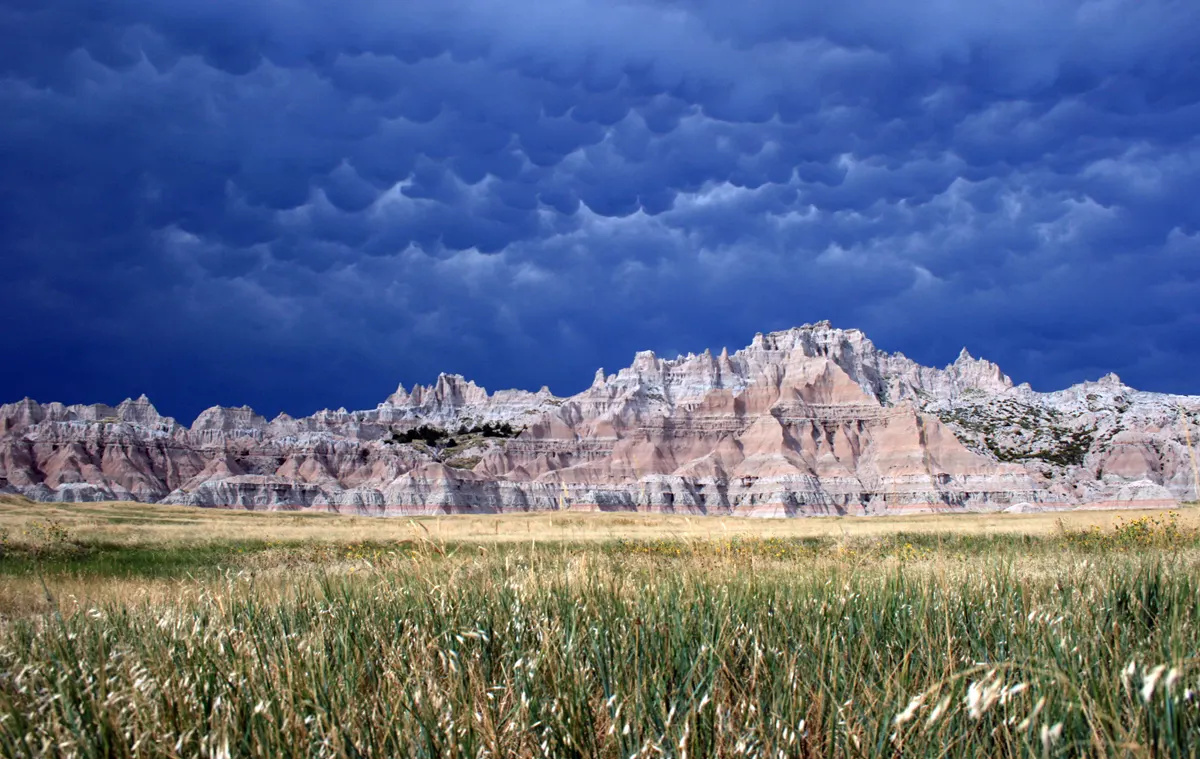
Help students explain Plains history beyond the buffalo shorthand
Build a dated Plains history explanation using named peoples, contextual photographs and the distinction between Lakota bands and the wider Oceti Sakowin.
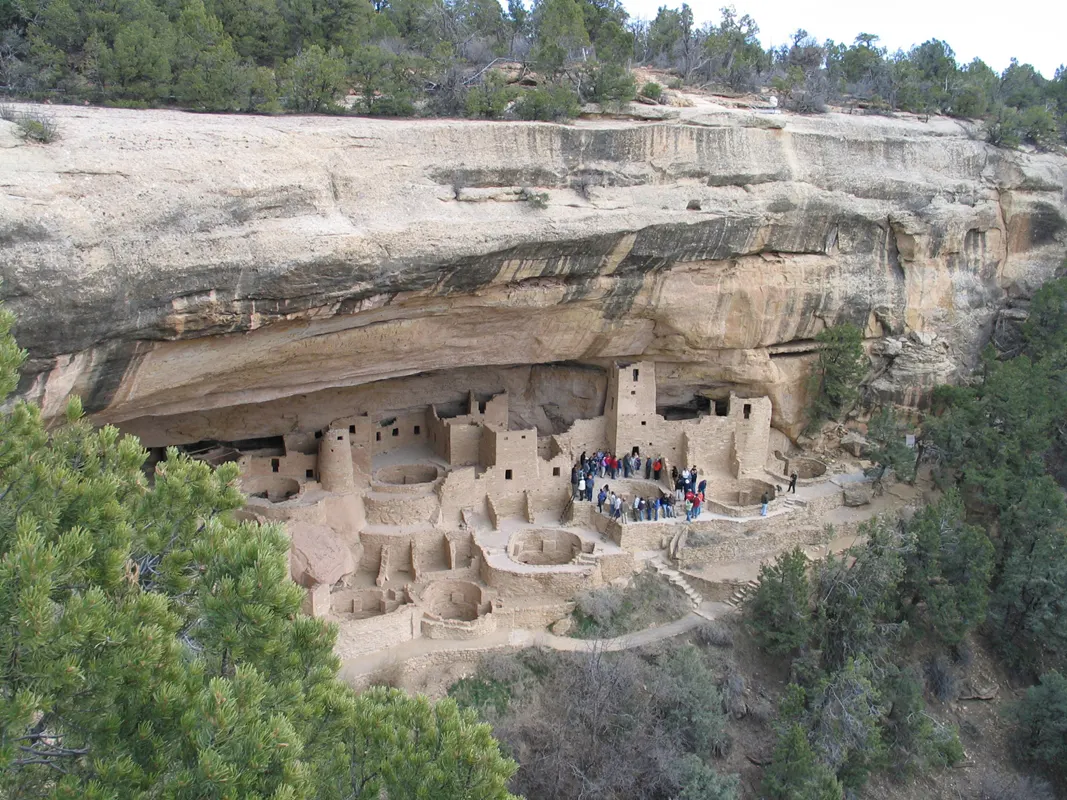
Teach Southwest diversity without turning every community into one desert culture
Help students distinguish Southwest communities through named places, periods and evidence, with a teacher-supplied Pueblo II/Pueblo III chronology correction.
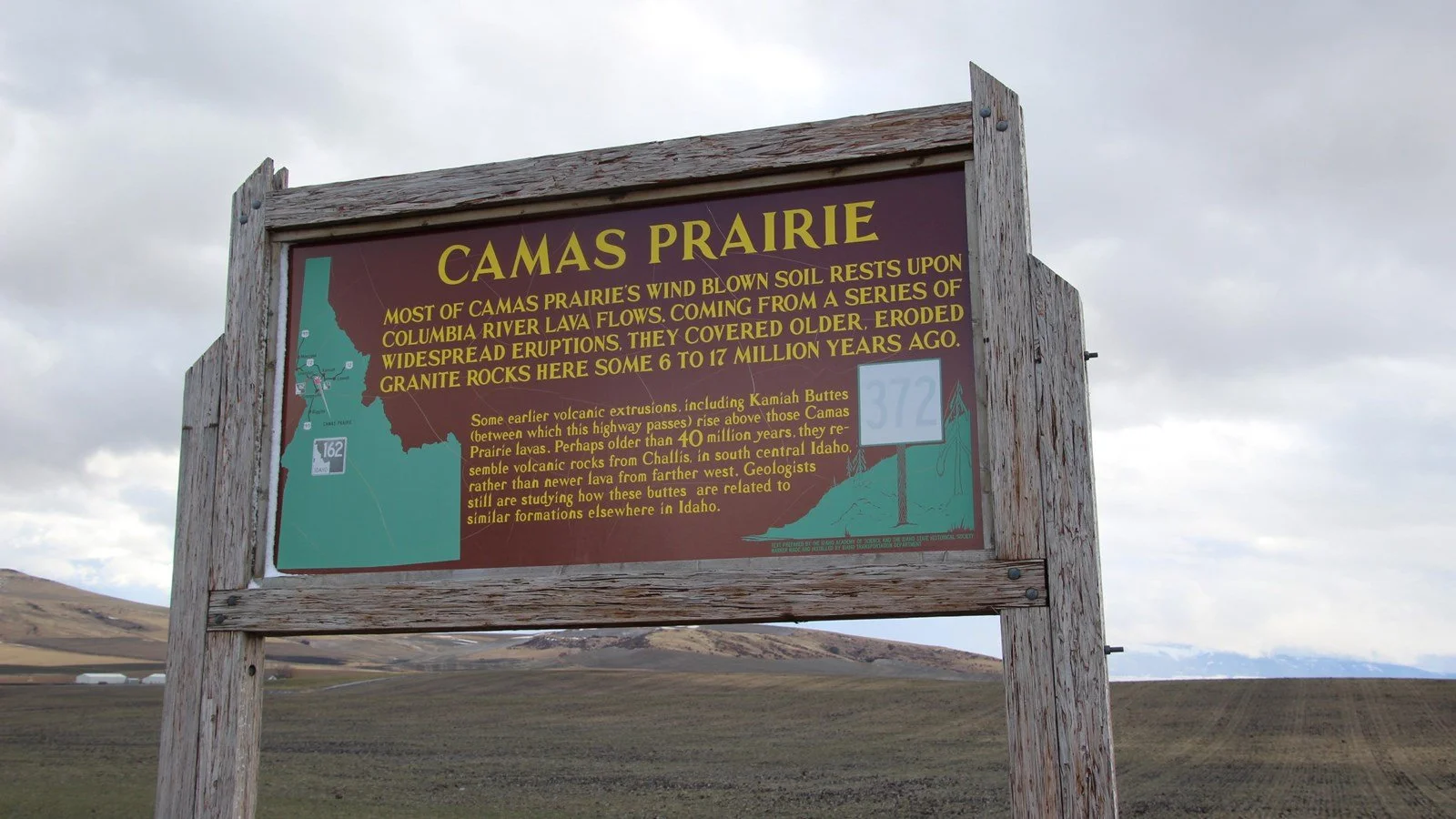
Help students explain seasonal movement as knowledge rather than wandering
Explain seasonal movement through documented knowledge, timing and land access, using named Plateau and Great Basin examples and qualified selected readings.

Help students distinguish Northwest Coast nations instead of merging them into one culture
Compare Chinook and Tlingit histories through community-authored sources, specific waterways and cultural ownership, without turning regional patterns into rules.

Teach Arctic history without freezing Inuit life in the past
Teach Arctic history through named places, dated sources and contemporary Inuit voices, with explicit Nunavut and language qualifications beside selected readings.

Help students compare Indigenous regions without reducing people to climate charts
Help students compare Indigenous regions using named communities, landscape evidence and source limits, with focused readings rather than climate-chart stereotypes.
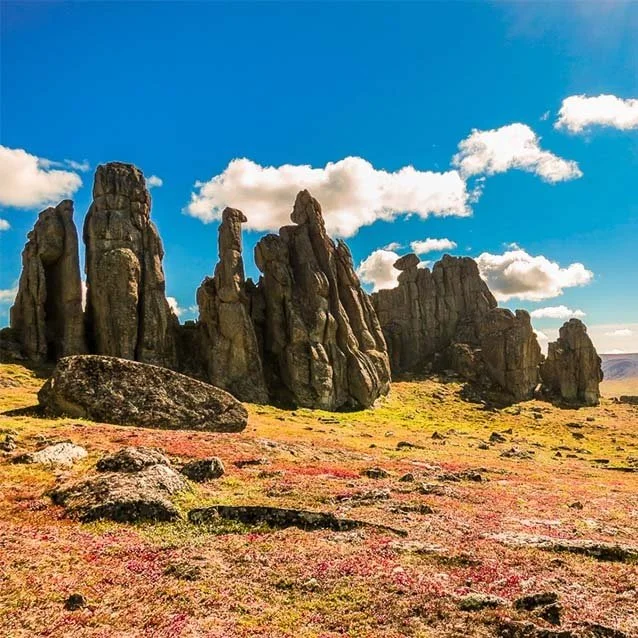
Teach the first peopling of the Americas through evidence and uncertainty
Use White Sands photographs and Beringia evidence to distinguish observations, supported interpretations and uncertainty, with carefully qualified reading choices.
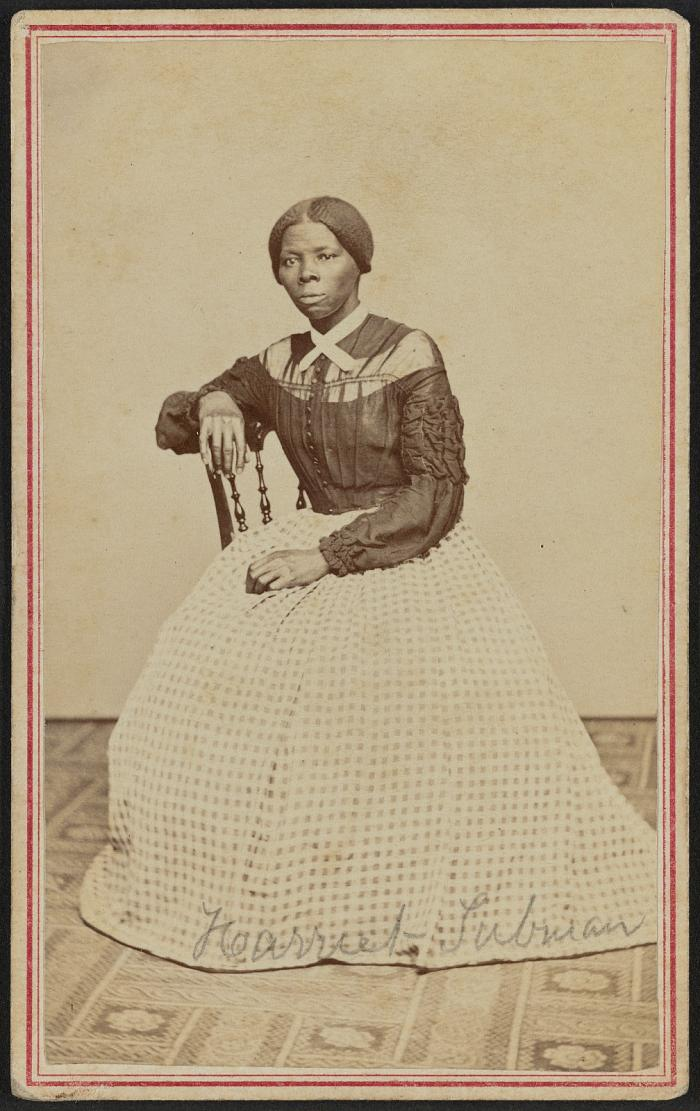
Teach abolition and resistance without a single hero shortcut
Help students distinguish self-emancipation, organized assistance and antislavery writing through sourced accounts, historical images and selected readings.
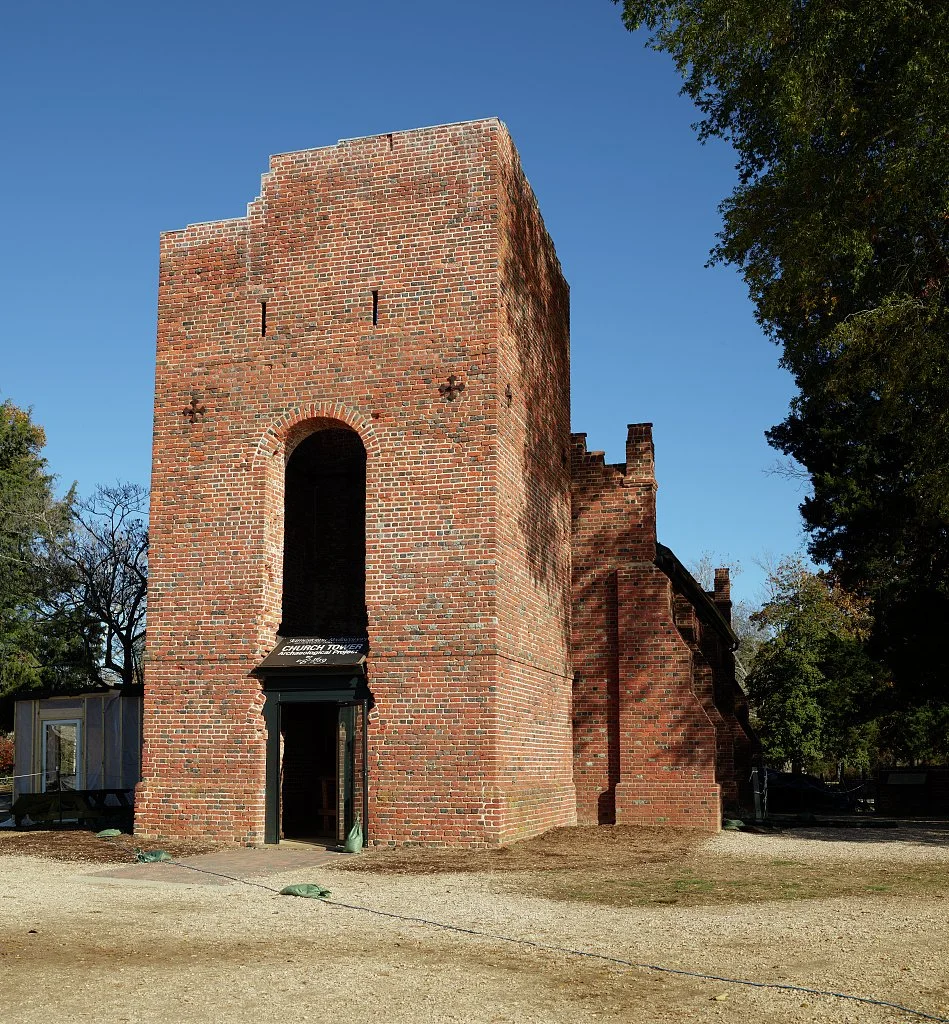
Help students explain colonization motives with source evidence
Teach colonization motives through a Virginia charter, a historical map and a modern site photograph, separating official aims, outcomes and Indigenous consent.
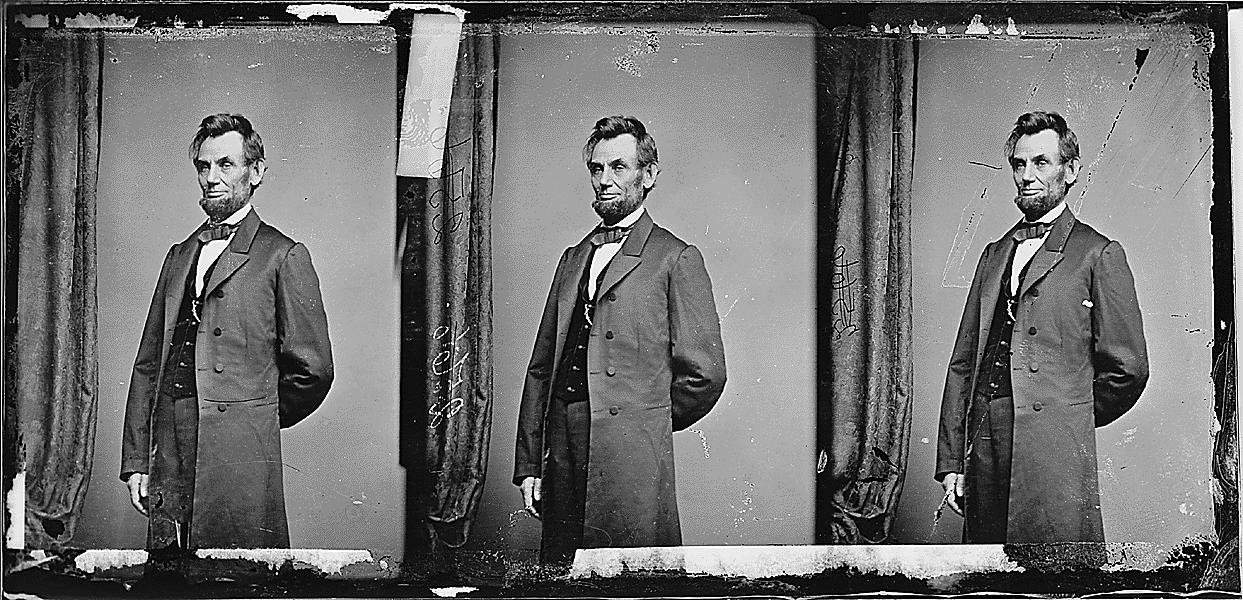
Teach the road to secession as decisions rather than dominoes
Help students explain the road to secession through decisions, consequences and evidence, keeping slavery central and using border states to test oversimplified claims.
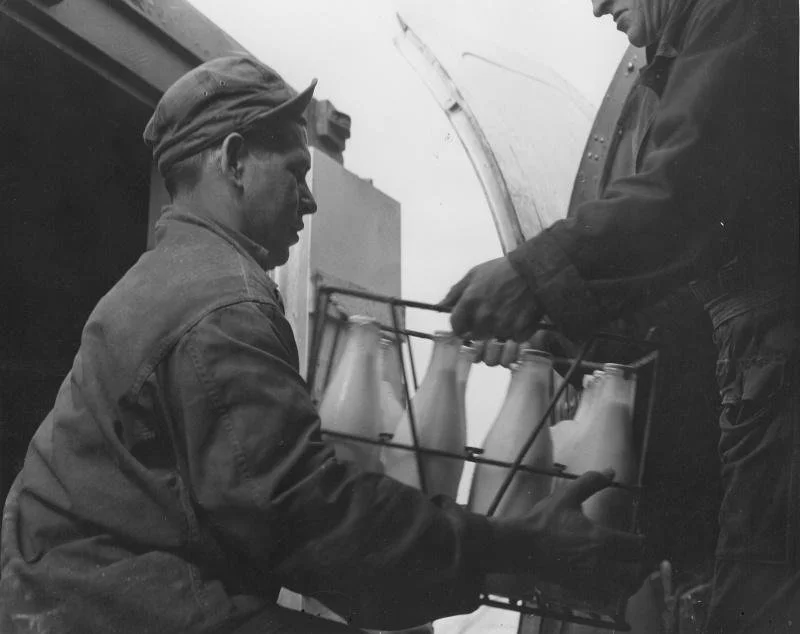
The Berlin Blockade Was Not the Berlin Wall
Help students distinguish the Berlin Blockade from the Berlin Wall by comparing dates, restricted movement and dated historical photographs.
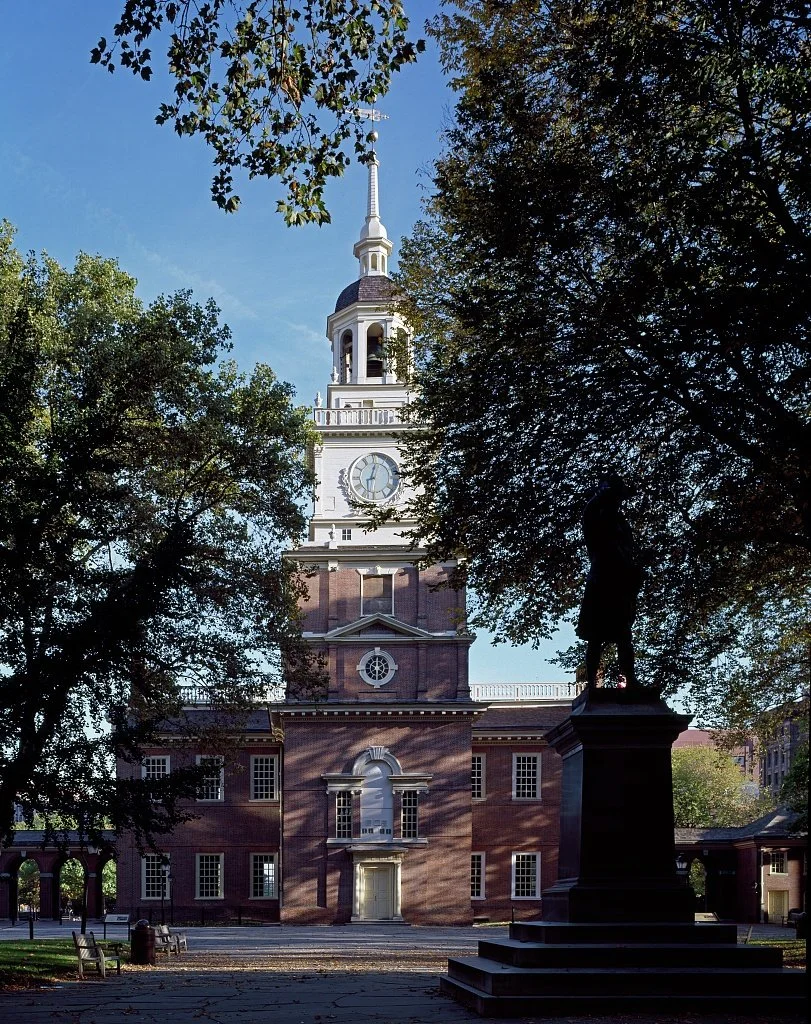
Teach government purposes before asking students to memorize documents
Connect government purposes to the Articles, Constitution and civic participation through concrete problems, historical sources and targeted reading choices.
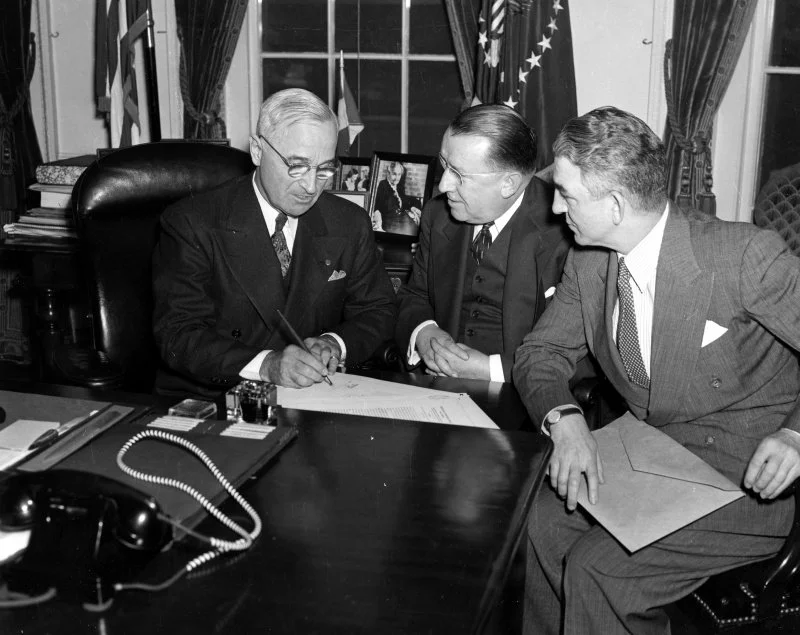
Turn the lawmaking sequence into a decision problem
Make federal lawmaking a sequence of reasoned decisions with a classroom proposal, authentic historical sources and clear distinctions between passage, veto and signature.
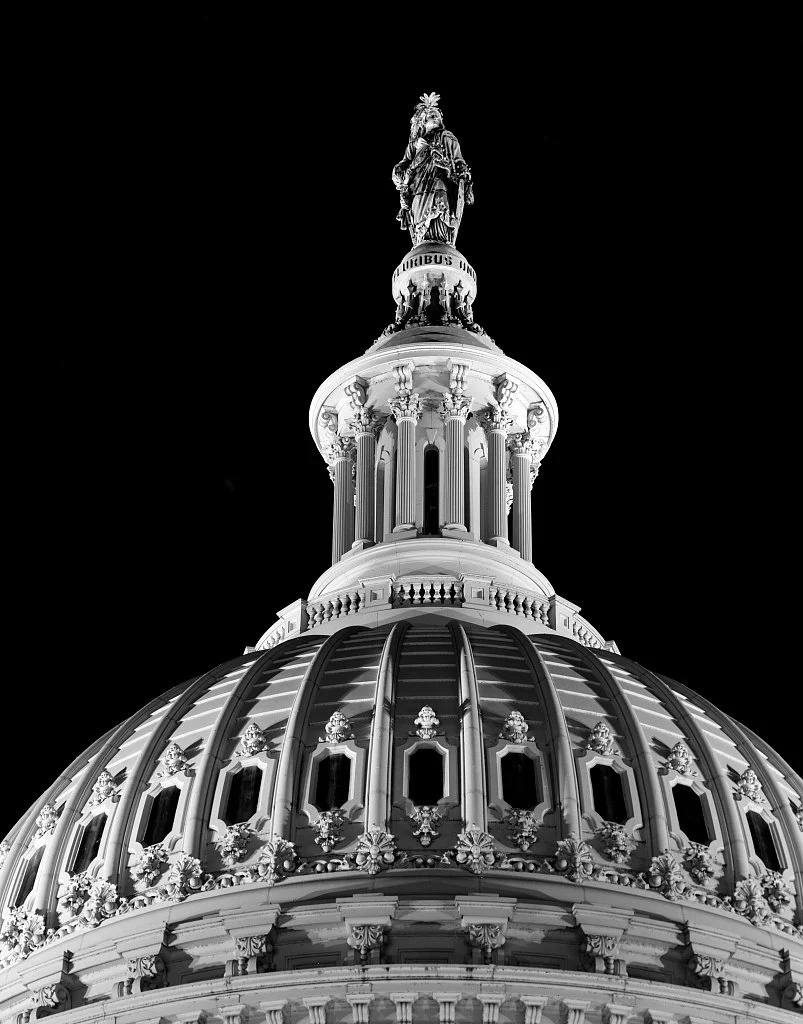
Stop mixing up branches and levels of government
Help students distinguish branches from levels of government using a two-axis sort, a veto example, archival photographs and focused civics resources.
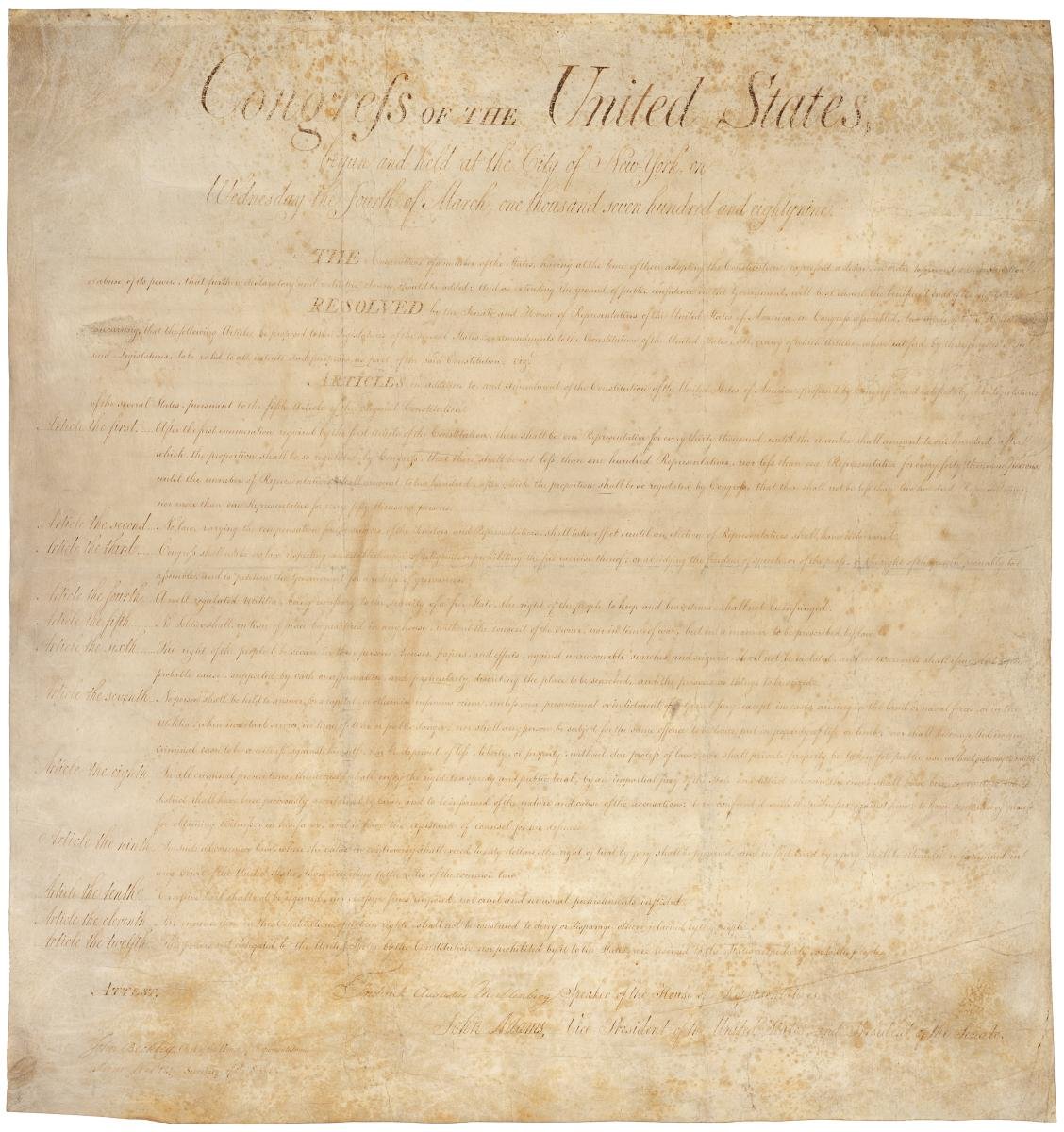
Make the Bill of Rights stick through reasoning rather than recall
Help students explain Bill of Rights claims using constitutional text, government action, relevant facts and carefully qualified classroom scenarios.
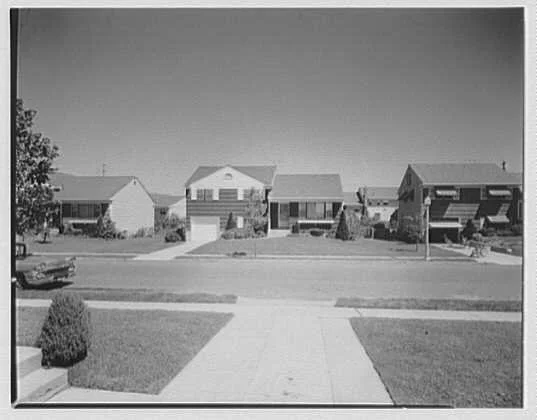
Help students connect 1950s prosperity with Cold War fear
Use archival photographs and focused source questions to help students connect 1950s consumer culture, unequal opportunity and Cold War anxieties.