
Ideas for thoughtful teaching & learning.
Practical approaches, considered tools and useful resources for the learning you design.
Looking for history resources? Visit HistoraEDU →
Build a Jigsaw in Which Every Expert Has Something Necessary to Teach
Use three complementary evidence packets, a precise group map and an expert teaching card to build a jigsaw that requires genuine synthesis.

Whose Relevance Counts? Letting Students Connect Science to Their Lives
A relevance-writing study offers a bounded lesson: invite students to make connections, keep the science accurate and do not require a personal story.

Student Choice Is Not One Universal Motivation Switch
Who chooses, whose advice is trusted and what the options mean all matter. Use a fictional task to examine choice without stereotyping learners.

When Mixing Examples Helps—and When a Block Helps You See What Belongs Together
Example order depends on what learners need to notice. Separate differences between confusable categories from common features within varied categories.

Audit the Time Budget in a Training Assessment
Separate reasoning, reading and interface overhead with an original assessment timing log, decision record and warning prototype.

Calibrate a Rubric with Three Anchor Responses Before Grading
Use three fictional anchor responses to expose a rubric disagreement, clarify one descriptor boundary and record the rule before a full marking run.

Design an Open-Resource Assessment That Tests Use, Not Search Luck
Build an open-resource planning assessment with a two-page fictional reference pack, clear assistance rules and a worked answer that uses every constraint.

Remove Accidental Clues from Multiple-Choice Questions
Audit five original before-and-after questions for wording, grammar, length and implausible options—without changing the knowledge you intend to assess.

Interleaved Math Practice: Choosing a Method Is Part of the Problem
A mixed assignment can ask students to choose a method before calculating. Use an original six-problem review while preserving the classroom study’s limits.

Preparing to Teach Is Not the Same as Learning by Teaching
Separate preparing, explaining and responding in peer-teaching tasks. A research boundary and an original map-legend example make the distinction practical.

Self-Explanation Is More Than Putting a Paragraph in Your Own Words
A longer answer is not necessarily a better explanation. Distinguish restatement, inference and uncertainty with an original fictional reading example.
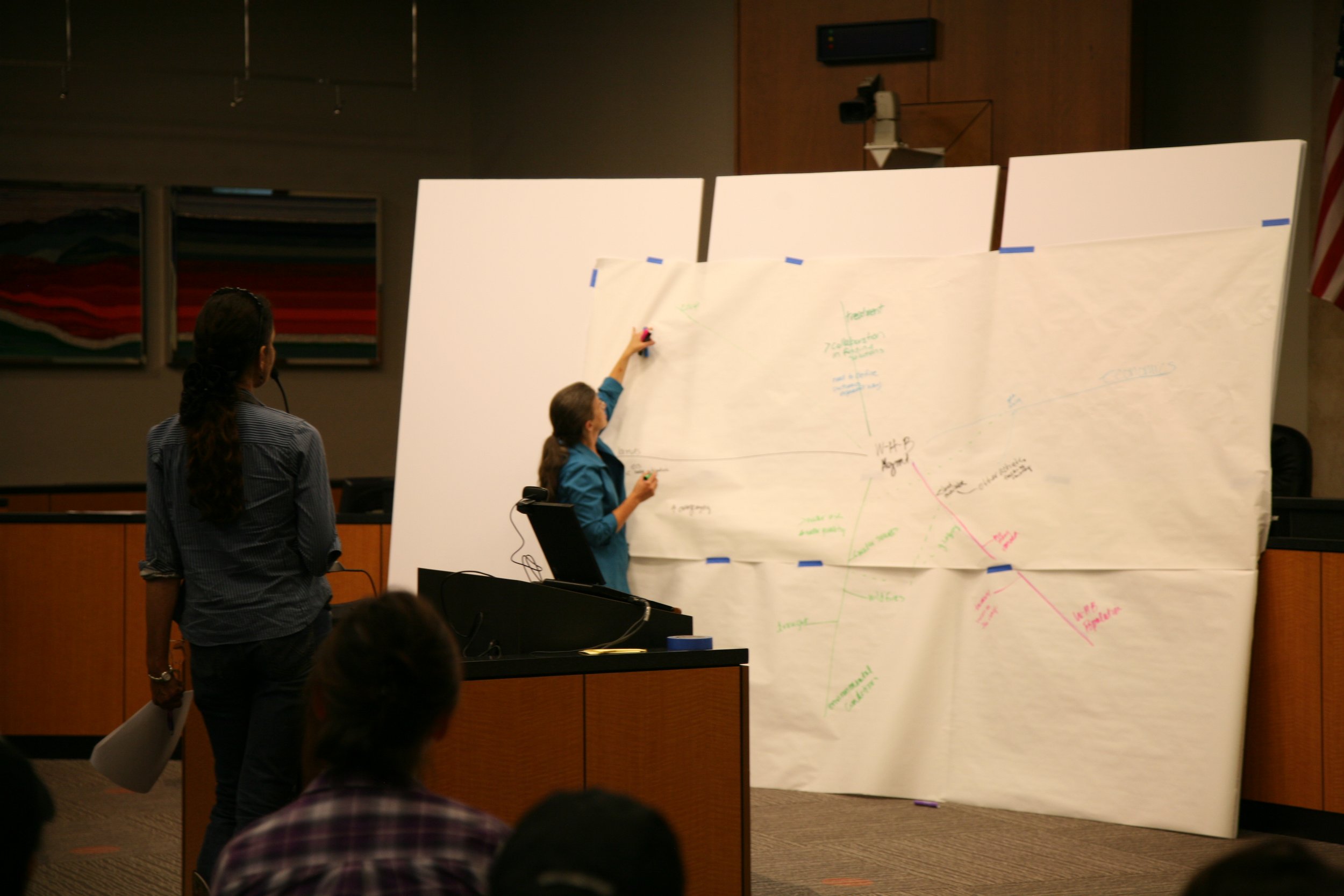
Turn a Workshop Brainstorm into a Transparent Options-Ranking Exercise
Use a four-stage workshop run sheet, private ranking ballot and worked tally to make a recommendation without losing minority concerns.
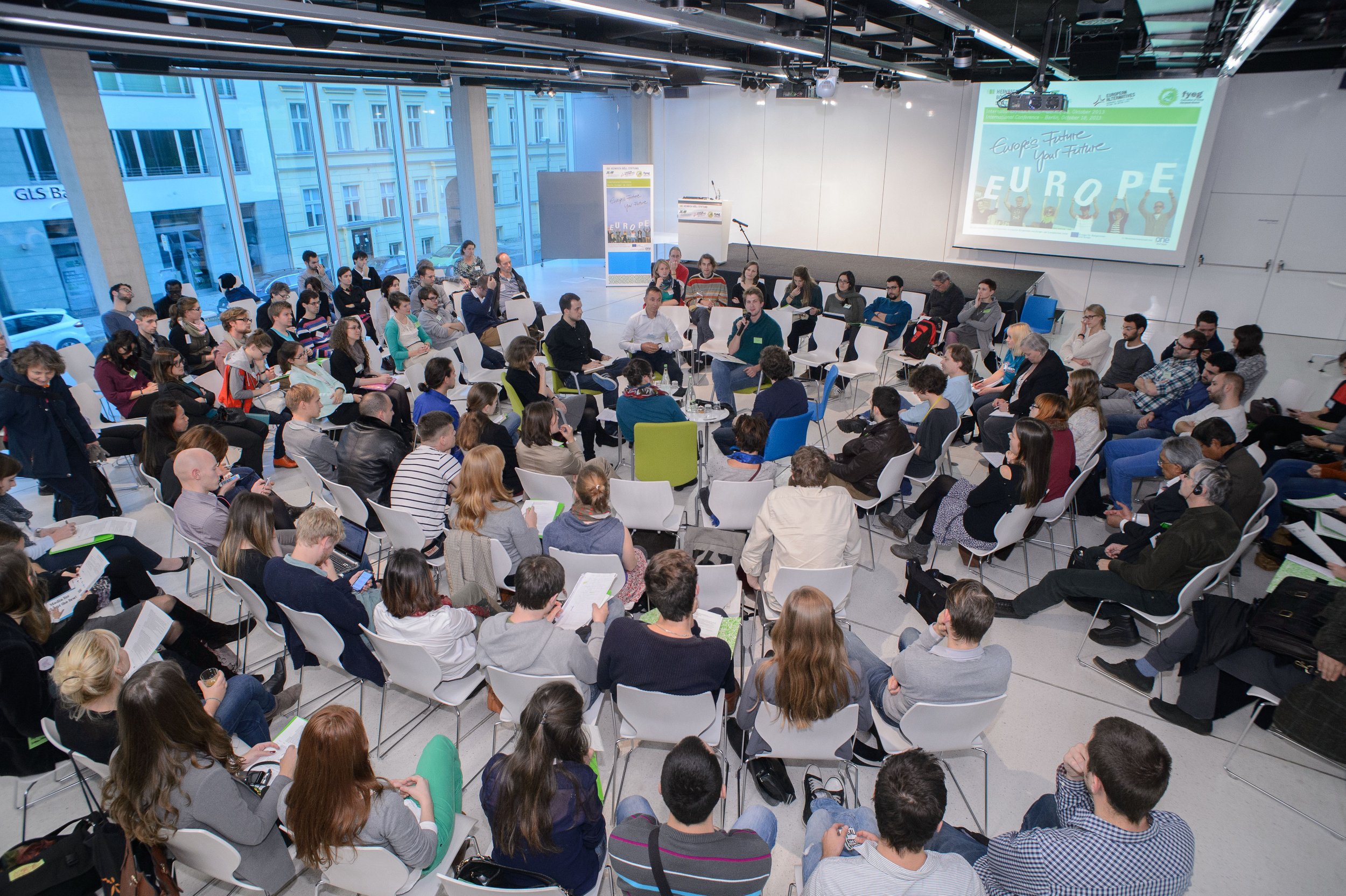
Give Fishbowl Observers a Job Other Than Watching
Give fishbowl observers a claim, evidence or connection lens, then rotate roles and use a worked observation record to improve the discussion.

Replace ‘Reply to Two Peers’ with a Compare-and-Revise Discussion
Design a three-stage online discussion with a worked scheduling case, substantive peer comparison and a visible revision or defense.

Plan a Seminar Question Sequence That Builds an Argument
Plan six connected seminar questions, test a fictional library redesign, and guide students from evidence to counterargument and a qualified conclusion.

Dialogic Teaching Is a Supported Practice, Not a Set of Discussion Stems
Read Dialogic Teaching as a supported programme, not a prompt sheet. Examine the original trial, later follow-up and a practical school review cycle.

Should You Show the Class Vote Before Students Discuss? The Evidence on Majority Cues
Showing a popular answer adds a social cue. Use the polling research to choose when to reveal results and preserve a useful record of reasoning.
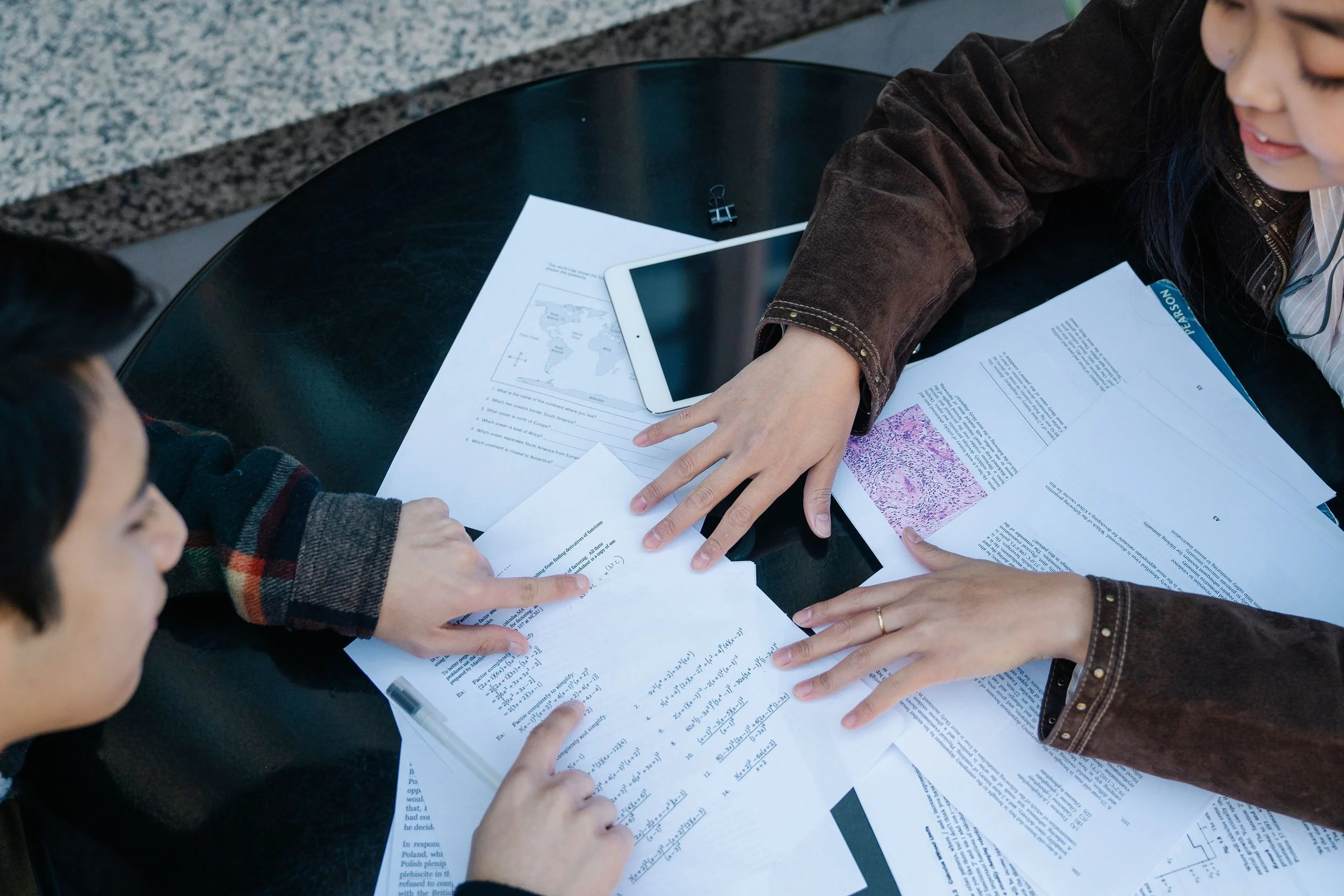
Can Two Wrong Answers Produce a Better Explanation? What Peer-Instruction Research Actually Tested
A better revote is not the same as independent understanding. Read the peer-instruction evidence, then try an original paired-question example.

Run a Follow-Up Check That Separates Recall from Workplace Use
Ask separate follow-up questions about remembering the rule and using it at work.

Build a Manager Observation Guide for the First Real Attempt
Give the manager a short observation guide that records what the employee did, what support was available and what should happen on the next attempt.